Trump Says Iran’s Next Supreme Leader Must Have U.S. Approval

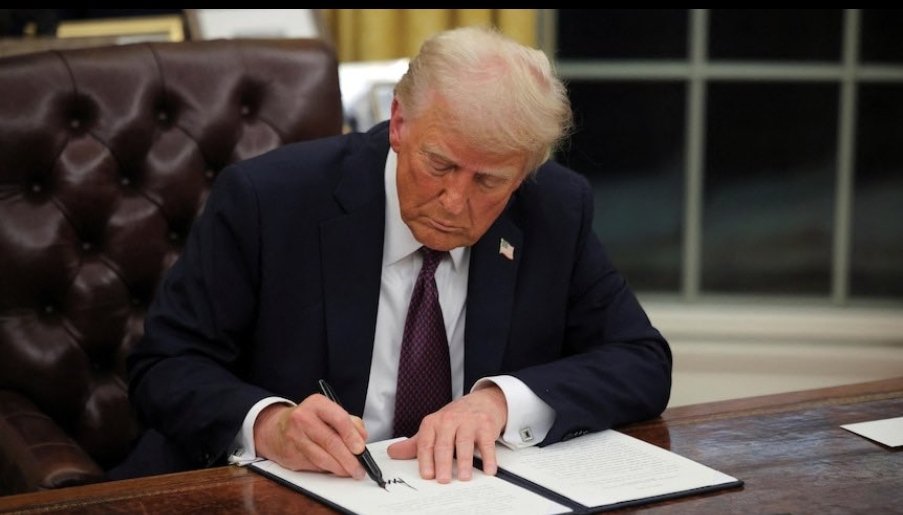
President Donald Trump has sparked international debate after suggesting that the next Supreme Leader of Iran would struggle to remain in power without approval from the United States.
Speaking in an interview with ABC News, Trump said the individual chosen to succeed Iran’s current leadership would need to meet certain expectations from Washington.
“He’s going to have to get approval from us. If he doesn’t get approval from us he’s not going to last long,” Trump said during the interview.
The statement comes as discussions intensify in Iran regarding the future leadership of the country and amid rising tensions between Tehran and Washington over nuclear activities and regional security.
Concerns Over Iran’s Nuclear Program
Trump’s comments were closely tied to concerns about Iran’s nuclear capabilities.
According to a senior U.S. administration official, Iran has enriched enough uranium that it could potentially reach weapons-grade material within about 10 days.
Much of this enriched uranium is believed to be located at nuclear facilities including Natanz Nuclear Facility, Isfahan Nuclear Technology Center, and Fordow Fuel Enrichment Plant.
These sites were reportedly targeted in a military operation referred to as Operation Midnight Hammer, which allegedly aimed to weaken Iran’s nuclear infrastructure.
A senior official suggested that if U.S. forces gained direct control of the territory where the uranium is stored, they could deploy specialists to neutralize or dilute the nuclear material on site.
Military Escalation and Strategic Claims
During the interview, Trump also made several bold claims about recent military developments.
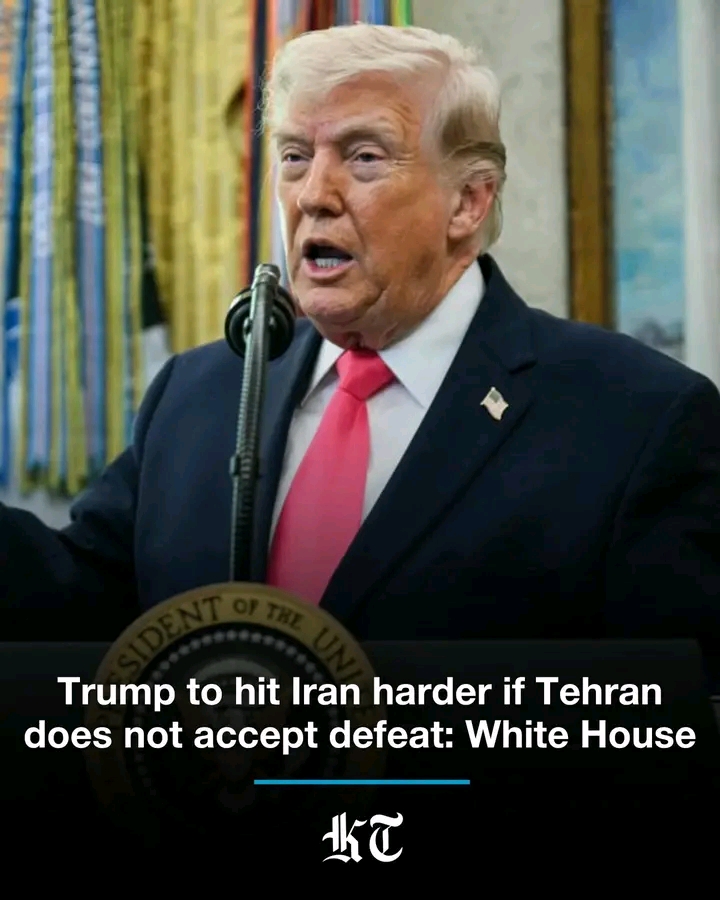
He stated that U.S. operations had significantly weakened Iran’s military capabilities, asserting that Iranian naval forces, communications networks, and air defense systems had been largely neutralized.
“We sank 44 of their ships, which is their entire navy. We’ve knocked out their entire Air Force. We’ve knocked out all of their communications,” he said.
Trump also alleged that Iran had been planning to expand its influence across the Middle East, suggesting that U.S. actions prevented a broader regional conflict.
However, independent verification of these claims remains limited.
Possibility of Special Operations
The U.S. president did not rule out the possibility of deploying special forces to secure Iran’s enriched uranium reserves if necessary.
According to Trump, “everything is on the table” when it comes to preventing Iran from acquiring nuclear weapons.
His administration has repeatedly argued that preventing Iran from becoming a nuclear-armed state is a key priority for global security.
Meeting with Families of Fallen Soldiers
Over the weekend, Trump also met with the families of six U.S. soldiers who were killed in the conflict.
He described the meeting as emotional but said the families encouraged him to continue pursuing victory.
According to the president, several parents asked him to ensure their children’s sacrifices were not in vain.
Domestic Reactions in the United States
The president also addressed criticism from some political observers and members of his own political base regarding the ongoing military operations.
Trump dismissed concerns that his supporters were unhappy with the escalation, insisting the policy aligns with the values of his “Make America Great Again” movement.
“It’s more popular than ever. It’s a very MAGA thing what we’re doing,” he said.
Global Reactions
Trump’s remarks about approving Iran’s next leader have drawn strong reactions internationally.
Critics argue that the comments suggest an attempt by Washington to influence the internal political process of another sovereign nation.
Supporters, however, believe the statement reflects a firm stance against what they view as a hostile regime pursuing nuclear weapons.
The remarks are likely to intensify already strained relations between the United States and Iran as geopolitical tensions continue to shape the global political landscape.



Responses