VeryDarkMan Announces Arrival in Lagos Amid Defamation Case Filed by Falanas

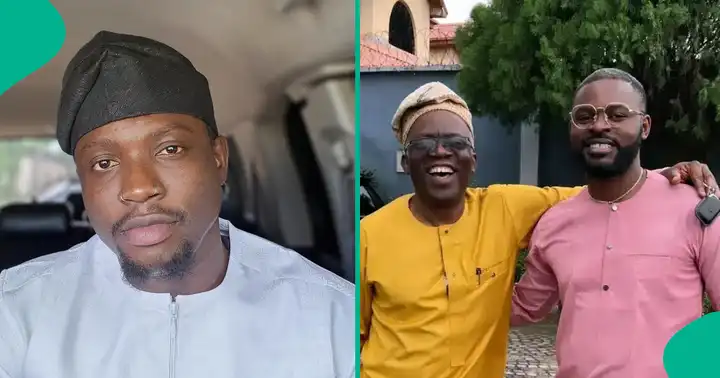
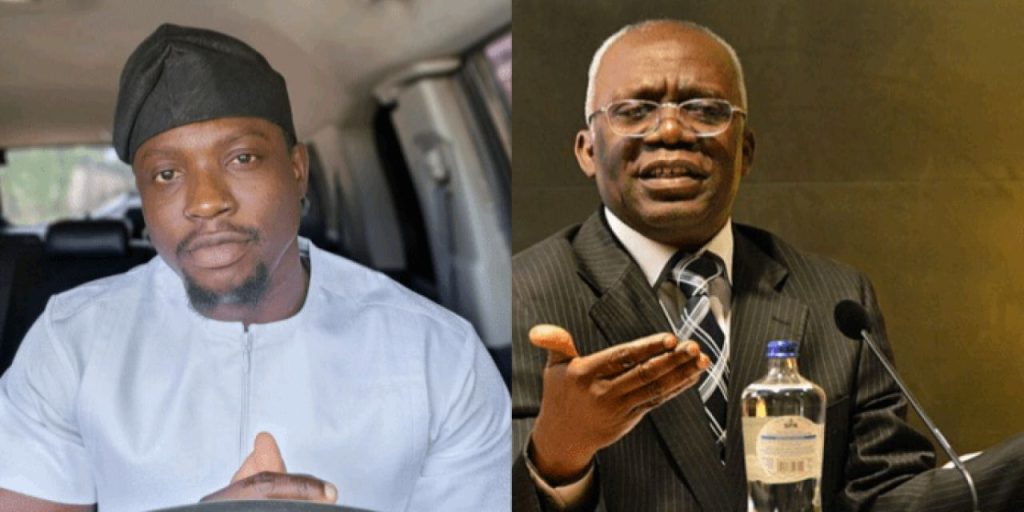
Controversial Nigerian social media personality and influencer, VeryDarkMan, has announced his arrival in Lagos following a defamation case filed against him by prominent human rights lawyer, Femi Falana. The legal dispute has brought significant attention to the influencer, who has gained a reputation for his outspoken online presence.
The case, which was filed by Falana on behalf of his clients, accuses VeryDarkMan of spreading false and damaging information. According to the lawsuit, the influencer made defamatory statements that were intended to harm the reputation of certain individuals. Falana, known for his vocal stance on human rights and social justice, is representing the individuals who claim to have been wronged by the online personality’s statements.
In a series of posts on his social media platforms, VeryDarkMan acknowledged the legal challenges he faces and revealed that he had arrived in Lagos to address the ongoing legal issues. The influencer emphasized that he was prepared to face the consequences of his actions, but also maintained that he had the right to express his opinions freely. He expressed confidence in his ability to defend himself in court, stating that the case was not a personal attack but rather part of the ongoing discourse about free speech and the responsibility that comes with it.
The defamation case has become a point of discussion across social media, with many Nigerians weighing in on the issue. Supporters of VeryDarkMan argue that the case is an attempt to silence dissenting voices and curtail freedom of expression in the country. They have expressed their belief that social media influencers like VeryDarkMan should be allowed to share their opinions without fear of legal repercussions, as long as they are not inciting violence or spreading hate speech.
On the other hand, critics of VeryDarkMan have sided with Femi Falana, asserting that there should be consequences for those who spread false information that can harm individuals and tarnish reputations. They argue that while freedom of speech is important, it should not be used as a shield for defamation and libel, particularly when it results in significant damage to someone’s personal or professional life.
Femi Falana, a well-respected lawyer known for his activism, has been at the forefront of several high-profile cases in Nigeria. His decision to take legal action against VeryDarkMan has brought additional attention to the influencer’s controversial statements. Falana has made it clear that his clients are seeking justice and that the legal action is necessary to uphold the integrity of the individuals involved. The defamation case is seen by some as a test of the boundaries of free speech in Nigeria, especially in an era where social media plays an increasingly significant role in shaping public discourse.
The legal battle has sparked wider discussions about the role of social media influencers and their responsibility in shaping opinions and spreading information. Many have called for more regulations surrounding the activities of online personalities, while others caution against excessive censorship that could limit the freedom of expression. The case also raises important questions about the balance between personal accountability and the right to engage in public discourse, especially in an age where information spreads rapidly and can have lasting effects.
VeryDarkMan’s arrival in Lagos marks a new chapter in the defamation case, and the legal proceedings will likely continue to attract significant public attention. As the case unfolds, it remains to be seen how the courts will address the issue of defamation in the context of social media, and whether it will set a precedent for future legal challenges involving online personalities.
In conclusion, VeryDarkMan’s defamation case, which was initiated by Femi Falana, highlights the complex relationship between freedom of speech and the potential harm caused by online statements. As the legal battle progresses, it will be important to monitor how the Nigerian courts handle such cases and the impact it may have on the wider landscape of social media regulation in the country. The outcome of this case could have significant implications for influencers, media personalities, and the public’s understanding of the limits of free expression in the digital age.


Responses