WHO Commends Enugu’s Healthcare Model, Urges Nationwide Adoption

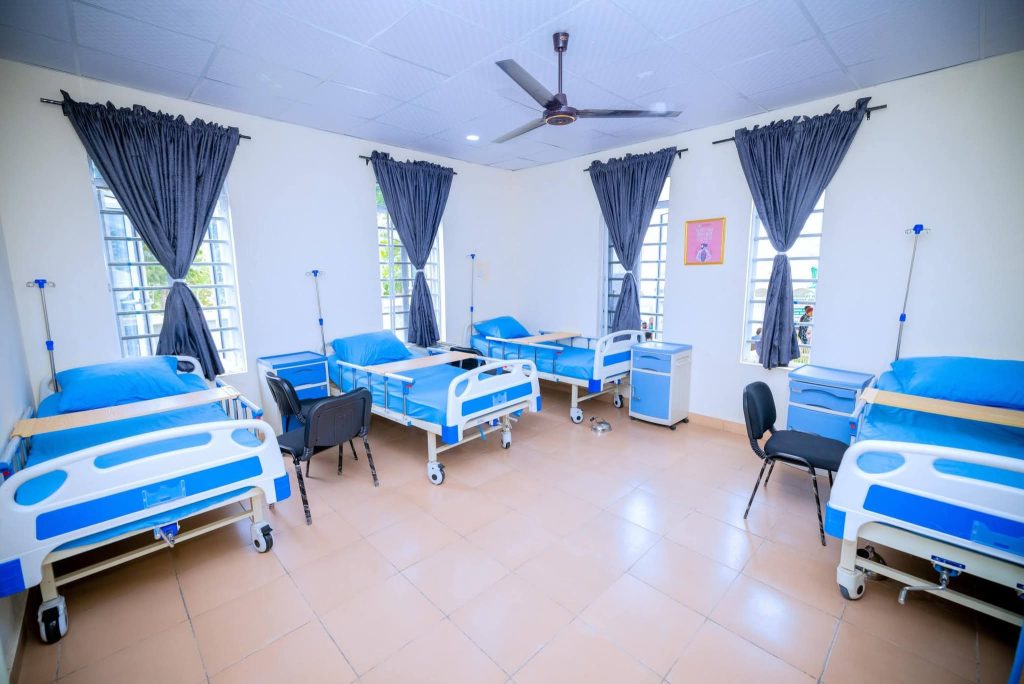
The World Health Organization has urged states across Nigeria to emulate the healthcare model being implemented in Enugu State, describing it as a “gold standard” in primary healthcare delivery. The commendation follows growing recognition of the state’s investment in modern healthcare infrastructure and service delivery under Governor Peter Mbah.
The endorsement came through the WHO South East Zonal Coordinator, Igboekwu Chukwumuanya, during a visit to the newly constructed Type-2 Primary Healthcare Centre in Ogbaku, located in Awgu Local Government Area. According to him, the facility represents a model of what effective healthcare delivery should look like in Nigeria, urging other states to replicate the approach.
“This is my second visit here, and what we are seeing is highly commendable. These facilities have become a benchmark,” he stated, reaffirming WHO’s commitment to supporting healthcare development initiatives in the region.
The facility itself has drawn widespread praise from local stakeholders, including traditional rulers, community leaders, and residents, who described it as a “lifeline” for the people. Speaking on behalf of the Ogbaku community, Igwe M.O. Egbo expressed deep appreciation for the project, noting that it has significantly improved access to healthcare for both young and elderly residents.
Community representatives highlighted that prior to the construction of the facility, residents often had to travel long distances to access basic medical services. With the new centre in place, essential healthcare is now available within reach, reducing delays in treatment and improving overall health outcomes.
Beyond healthcare, stakeholders also commended the state government for broader infrastructural developments, particularly the construction of over 55 kilometers of roads across Awgu Local Government Area. These projects, they noted, have enhanced connectivity, boosted local economic activities, and improved access to public services.
Religious leaders and women’s groups were equally vocal in their support. They emphasized the importance of the healthcare centre in addressing maternal and child health challenges, describing it as a critical intervention that could save lives. Many also called for the deployment of additional medical personnel to ensure round-the-clock services.
In response, Governor Mbah disclosed that his administration had already approved the recruitment of over 2,200 healthcare workers to address staffing gaps. He explained that the decision followed a comprehensive assessment which revealed a significant shortfall in personnel across the state’s healthcare system.
The governor further outlined several key features of the new healthcare model, including the provision of solar power, clean water supply, staff quarters, and the integration of electronic medical records to enhance efficiency and data management. These elements, he said, are designed to ensure uninterrupted and high-quality service delivery.
Mbah also revealed that similar healthcare facilities are being replicated across all 260 electoral wards in the state, demonstrating a commitment to equitable access. In addition, the government is expanding potable water projects and strengthening emergency response systems through the establishment of ambulance centres.
A major highlight of the administration’s efforts is its focus on reducing maternal and infant mortality rates. According to the governor, the state has already recorded an over 80 percent reduction in such cases, with a long-term goal of eliminating preventable deaths entirely.
While the WHO’s commendation has been widely welcomed, some observers have urged caution, emphasizing the need for sustainability. They stress that beyond infrastructure, effective management, maintenance, and continuous funding will be critical to ensuring long-term success.
Nevertheless, the recognition by a global body like the WHO places Enugu State firmly in the spotlight as a leader in healthcare innovation within Nigeria. It also raises expectations for other states to adopt similar models in order to improve healthcare delivery nationwide.
As Nigeria continues to grapple with healthcare challenges, Enugu’s approach may well serve as a blueprint for reform—demonstrating how strategic investment, community engagement, and political will can transform public health outcomes.





Responses