Why Tinubu may be a one-term President —Ologbondiyan

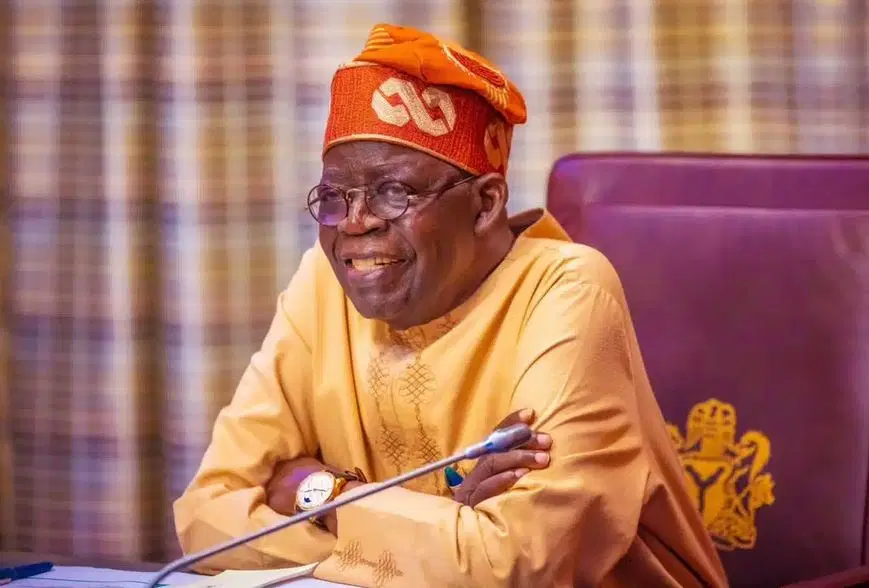
The political landscape in Nigeria has seen dramatic shifts over the past few years, with the 2023 presidential election being one of the most contentious in the country’s history. Bola Ahmed Tinubu, the presidential candidate of the All Progressives Congress (APC), emerged victorious, securing the presidency despite fierce competition from other political heavyweights. However, not all political analysts and commentators are optimistic about Tinubu’s ability to serve a full second term in office. One prominent voice that has raised concerns about Tinubu’s prospects is Kola Ologbondiyan, the former spokesperson for the People’s Democratic Party (PDP).
Ologbondiyan has argued that there is a significant possibility that Tinubu may serve only one term as president, citing various political, social, and economic factors that could work against his ability to consolidate power and maintain his political standing throughout his tenure. This claim has sparked considerable debate across the political spectrum, with some agreeing with Ologbondiyan’s analysis while others believe Tinubu’s leadership will evolve in ways that will secure his place for a full second term.
Key Reasons for Ologbondiyan’s Claim
- Weak Political Base and Alleged Lack of Popularity
According to Ologbondiyan, one of the key reasons Tinubu may struggle to retain power is his perceived lack of a strong and unifying political base across the country. While Tinubu enjoys considerable support in the southwestern region, particularly in his home state of Lagos, critics argue that his support is not as widespread across other regions of Nigeria. Ologbondiyan suggests that Tinubu’s narrow political base could limit his ability to forge alliances across the country, which is critical in Nigerian politics where coalition-building is often necessary to succeed in elections and maintain political power.
Additionally, Ologbondiyan points to Tinubu’s controversial emergence as the president, which he believes was marred by claims of electoral malpractices and public dissatisfaction. The argument is that this lack of widespread legitimacy could make it difficult for Tinubu to navigate Nigeria’s complex political landscape, especially when it comes to the next general elections.
- Challenges with National Unity and Ethnic Divides
Nigeria is a country characterized by a diverse mix of ethnic, religious, and regional identities. As president, Tinubu faces the challenge of uniting these various groups, some of whom feel marginalized or alienated by the political process. Ologbondiyan argues that Tinubu’s inability to create a truly inclusive government that reflects the ethnic and regional diversity of Nigeria could work against his chances of securing a second term.
Nigeria’s North-South divide is a particularly sensitive issue, with many from the northern part of the country expressing dissatisfaction with the political dynamics that have been in place for decades. Tinubu’s ability to manage these divides, and bring about a sense of national unity, will be crucial for his survival in office. Failing to effectively address these concerns could lead to significant discontent and resistance from various groups, limiting his chances for re-election.
- Economic Struggles and Unmet Expectations
Another reason Ologbondiyan gives for Tinubu’s potential one-term presidency is the country’s economic situation. Nigeria’s economy has long been plagued by issues such as inflation, high unemployment rates, and a growing public debt. Tinubu’s ability to manage the economy will be a significant factor in determining his political future. Ologbondiyan notes that while Tinubu has made promises to improve the economy, the failure to deliver on these promises could erode public support, especially among the youth and middle class, who are eager for real change.
The president’s handling of critical sectors such as the oil industry, agriculture, and infrastructure development will be closely scrutinized. With the ongoing challenges in the oil sector, including the global energy transition and domestic issues like fuel subsidy removals and scarcity, Tinubu’s government will need to demonstrate tangible progress to maintain popular support.
- Internal APC Challenges
Ologbondiyan also points to internal conflicts within the All Progressives Congress (APC) as another factor that could hinder Tinubu’s chances of securing a second term. The APC has always been a party of diverse factions, and while Tinubu’s victory helped to unite the party during the 2023 elections, there remain significant power struggles and rivalries within its ranks. Ologbondiyan highlights the possibility that some APC members may choose to challenge Tinubu’s leadership, especially if they feel their political interests are not adequately represented.
Furthermore, the handling of issues such as party appointments, zoning of key positions, and the management of relationships with state governors could affect Tinubu’s ability to maintain control over the party. A lack of internal unity could lead to defections and rebellion within the APC, undermining his ability to build the political capital needed for re-election.
- Public Sentiment and Protest Movements
Public sentiment is another critical factor in Tinubu’s potential one-term presidency. In recent years, Nigerian citizens, particularly the youth, have become more politically conscious and active, with social movements and protests growing in prominence. The #EndSARS protest in 2020 was a stark example of how the Nigerian populace, especially the youth, can mobilize against what they perceive as governmental ineptitude or injustice.
Ologbondiyan suggests that if Tinubu’s government fails to address the concerns of these movements—particularly issues related to governance, human rights, and the economy—he may face significant public opposition. The growing influence of social media and youth-led activism could serve as a check on his power, pushing for reforms and holding his government accountable.
The Counterargument: Tinubu’s Political Resilience
Despite Ologbondiyan’s warnings, there are many who believe that Tinubu’s political career, marked by his resilience and strategic maneuvering, could see him through a full term in office. Tinubu has demonstrated significant political acumen throughout his career, both in Lagos State and at the national level. His ability to form coalitions and leverage his political network has made him a dominant figure in Nigerian politics.
Supporters argue that Tinubu’s political experience, coupled with his ability to manage crises and build alliances, could help him navigate the challenges outlined by Ologbondiyan. Furthermore, the fact that he was able to win the 2023 election, despite significant opposition, is seen as evidence of his enduring political influence
While Kola Ologbondiyan’s assertion that Tinubu may serve only one term in office raises important concerns, the future of Nigeria’s presidency is uncertain, and a lot will depend on Tinubu’s ability to manage internal party dynamics, address the country’s economic challenges, and respond to public sentiment. The next few years will be crucial in determining whether Tinubu can secure a second term or whether factors such as economic struggles, internal APC challenges, and social unrest will limit his tenure. As the political landscape evolves, Nigerians and the international community will be watching closely to see how Tinubu navigates the complexities of leading Africa’s most populous nation.


Responses