Without the Ooni’s Intervention, the Dangote Refinery Could Not Have Been Built — Aliko Dangote

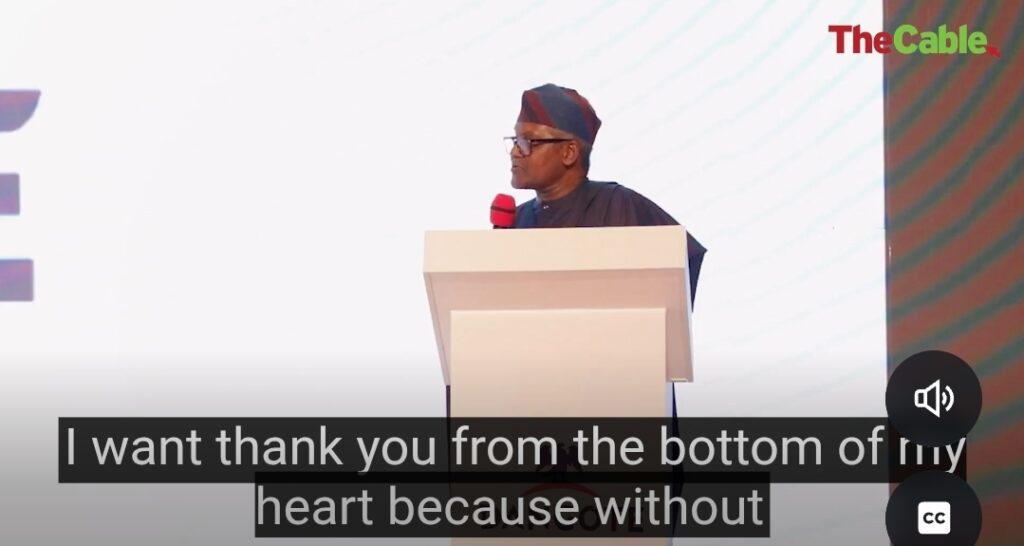
Africa’s richest man and President of the Dangote Group, Alhaji Aliko Dangote, has publicly acknowledged the pivotal role played by the Ooni of Ife, Oba Adeyeye Enitan Ogunwusi, in the successful construction of the Dangote Petroleum Refinery and Petrochemicals complex in Ibeju-Lekki, Lagos State. According to Dangote, without the direct intervention of the revered traditional ruler, the multi-billion-dollar refinery project might never have taken off.
Dangote made this revelation in a video shared by The Cable and later circulated widely on social media. Speaking candidly, the industrialist explained that shortly after acquiring the land designated for the refinery, his construction team encountered serious challenges rooted in local cultural and spiritual realities. The site, he revealed, was home to no fewer than 19 traditional shrines, making it impossible for workers to commence construction.
“I must recognise and sincerely thank the Ooni of Ife for enabling the building of our factory,” Dangote said. “When we got to the site, there were over 19 shrines there. Nobody could go near the place to do anything.”
According to Dangote, repeated efforts to move forward with construction stalled as workers and contractors expressed fear and reluctance to interfere with the shrines, which were considered sacred by local communities. The situation posed a major risk to the timeline and feasibility of what would eventually become the largest single-train refinery in the world.
Faced with this impasse, Dangote said he sought the intervention of the Ooni of Ife, widely regarded not only as a paramount traditional ruler but also as the spiritual custodian of Yoruba culture and heritage. The monarch personally visited the site, an action Dangote described as decisive and courageous.
“The Ooni came there himself, stood on the land, and said, ‘Remove all of them. Let the gods come and talk to me,’” Dangote recalled. “Your Royal Majesty, I want to thank you from the bottom of my heart. Without that singular act, I don’t think we would have been able to build the refinery.”
The statement underscores the often-overlooked role traditional institutions continue to play in Nigeria’s development landscape, particularly in areas where modern industrial expansion intersects with long-established cultural and spiritual traditions. Dangote’s remarks suggest that navigating these realities requires not just financial resources or political approvals, but cultural sensitivity and respect for local authority structures.
The Dangote Refinery, located within the Dangote Industries Free Zone in Ibeju-Lekki, sits on land for which Dangote earlier disclosed he paid approximately $100 million to the Lagos State Government. Despite the scale of the investment, the project faced years of delays arising from land disputes, community concerns, and regulatory hurdles before construction could fully commence.
Now operational since 2024, the refinery boasts a processing capacity of 650,000 barrels of crude oil per day, making it the largest single-train refinery globally. It is expected to fundamentally transform Nigeria’s petroleum sector by significantly reducing, and potentially eliminating, the country’s dependence on imported refined petroleum products. Beyond energy security, the project is projected to create tens of thousands of direct and indirect jobs and stimulate industrial growth across multiple sectors.
Dangote’s public acknowledgment of the Ooni’s role has sparked widespread discussion about the importance of traditional leadership in fostering development and mediating between modern economic ambitions and ancestral land practices. While Nigeria is a constitutional republic, the incident illustrates how deeply embedded cultural institutions remain influential, particularly in facilitating peace, legitimacy, and community acceptance for large-scale projects.
By openly crediting the Ooni of Ife, Dangote highlighted a broader lesson for investors and policymakers alike: sustainable development in Nigeria often depends on engaging respectfully with local customs and authorities, rather than attempting to override them. The refinery’s eventual success stands as a case study in how tradition and modernity can intersect—not as opposing forces, but as complementary elements in national development.
As Nigeria looks toward industrial self-sufficiency and economic diversification, the Dangote Refinery remains a landmark achievement. And behind its towering steel structures lies a reminder that, in Nigeria, progress is not built on capital alone, but also on understanding the people, the land, and the history that shape it.


Responses