₦93,000 to Fill a Tank: Nigerians Cry Out as Fuel Prices Deepen Cost-of-Living Crisis


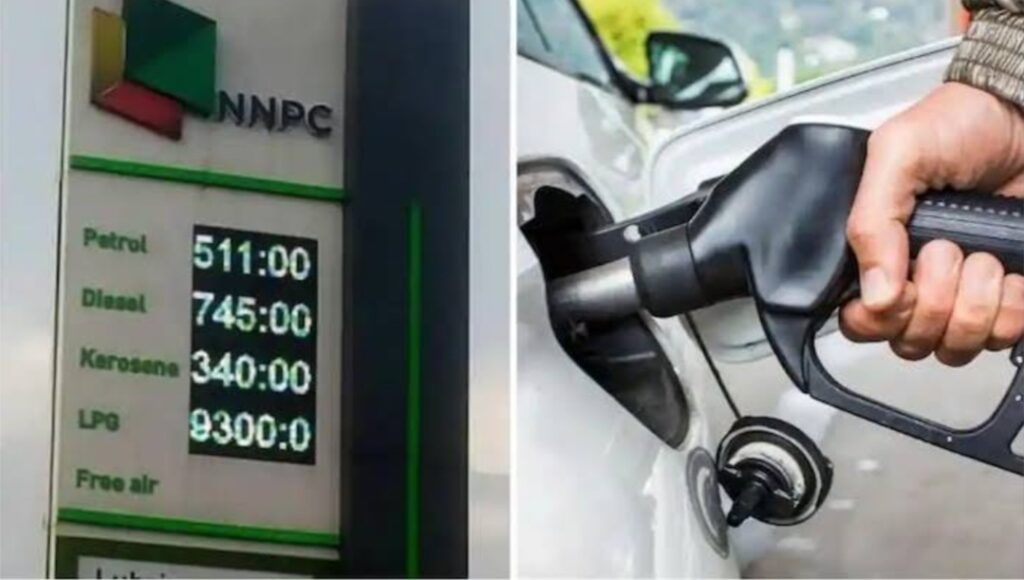
Nigeria’s worsening cost-of-living crisis has taken center stage once again after a viral video showed a woman lamenting the staggering amount she spent to fill her car’s fuel tank. According to her, it cost a shocking ₦93,000—an amount many Nigerians say reflects a harsh new economic reality.
The video has since triggered widespread reactions, with citizens sharing similar experiences and expressing frustration over the rising cost of fuel and its ripple effects on daily life. For many, what used to be a routine expense has now become a major financial burden.
Across the country, Nigerians say ₦100,000 is no longer sufficient to fill a standard fuel tank. Some individuals claimed they now spend over ₦300,000 weekly on fuel alone, especially those who rely heavily on generators due to Nigeria’s unstable electricity supply. This growing dependence on fuel has significantly increased household and business expenses.
The situation has had a direct impact on transportation and mobility. Observers note that major roads, including the iconic Third Mainland Bridge, appear less congested than usual—a possible indication that many Nigerians are cutting down on travel to save costs. Others have reportedly parked their vehicles indefinitely, opting for public transportation, walking, or commercial motorcycles as alternatives.
Online discussions reveal deep frustration and anger among citizens. Some commenters described the situation as unbearable, warning that the economic pressure is pushing many to the brink. A number of voices even suggested that the country is heading toward social unrest if conditions do not improve.
Criticism has also been directed at the administration of Bola Ahmed Tinubu, with several Nigerians blaming current economic policies for the hardship. While some argue that the removal of fuel subsidies was necessary to curb corruption and stabilize the economy long-term, others insist that the immediate impact on citizens has been devastating.
There are also differing opinions. A few commentators pointed out that rising fuel prices are not unique to Nigeria, noting that global oil market tensions and geopolitical issues can influence local costs. However, many Nigerians counter that the country’s heavy reliance on fuel for electricity generation, transportation, and small businesses makes the impact far more severe compared to other nations.
Small business owners appear to be among the hardest hit. Some revealed they have shut down operations entirely because they could no longer sustain the cost of fueling generators, running logistics, and maintaining daily operations. For these entrepreneurs, the fuel crisis has translated directly into lost income and growing unemployment.
Despite calls for patience and assurances from authorities that current economic reforms will yield long-term benefits, many Nigerians remain skeptical. The gap between policy expectations and everyday reality continues to widen, leaving citizens struggling to cope.
As fuel prices remain high and economic pressures persist, the experiences shared by ordinary Nigerians highlight a deeper issue—one that goes beyond numbers and statistics. It is a daily struggle for survival, where basic needs are becoming increasingly difficult to meet.



Responses