Enugu State Government Holds BRT Fares Steady Despite Rising Fuel Costs

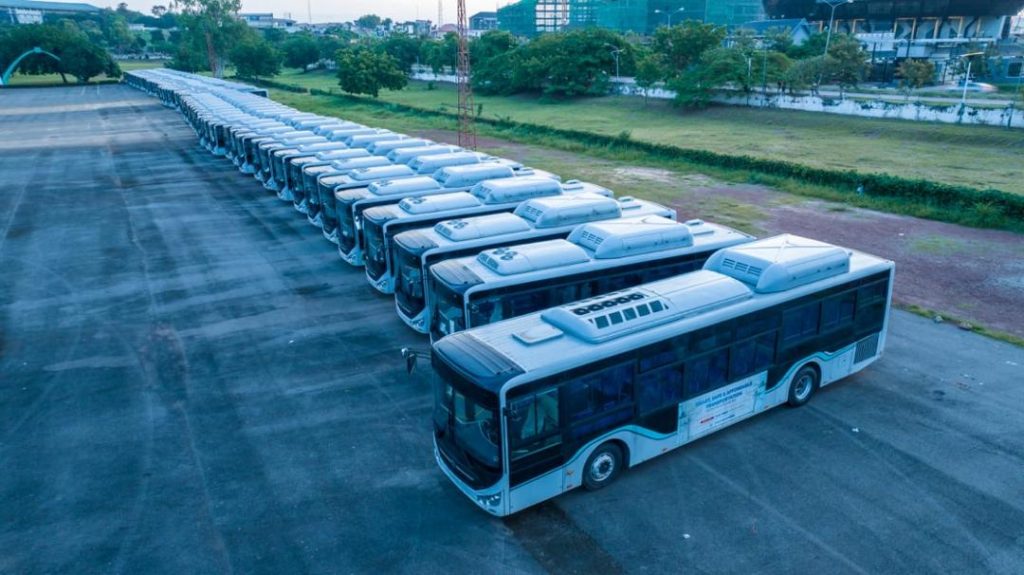
The Enugu State Government has announced that it will not increase fares for its Bus Rapid Transit (BRT) system, even as fuel prices continue to rise across Nigeria. The decision has been framed as a deliberate effort to shield residents from the growing cost of living and to maintain affordable transportation for commuters.
According to officials, the move reflects a people-centered approach to governance, prioritizing the welfare of citizens over immediate revenue adjustments. At a time when transportation fares are increasing in many parts of the country due to higher fuel prices, the Enugu BRT system is being positioned as a stabilizing force for everyday mobility.
Currently, an estimated 600,000 residents rely on the service for daily transportation within the state. By keeping fares unchanged, the government aims to ensure that workers, students, and small business owners can continue to move around without facing additional financial pressure. Authorities describe the policy not just as a transport decision, but as a form of social investment intended to support economic activity and ease hardship.
The development has drawn mixed reactions from the public. Many residents and observers have praised the initiative, viewing it as a practical example of how government intervention can cushion the impact of economic challenges. Supporters argue that affordable public transport is critical during periods of inflation, as it directly affects the cost of living and productivity.
However, some analysts and citizens have raised concerns about the sustainability of the policy. With operational costs such as maintenance, staffing, and energy continuing to rise, questions remain about how long the government can maintain the current fare structure without incurring financial strain. Public transport systems typically rely on either fare adjustments or subsidies to remain viable, and keeping prices fixed may require increased government funding.
Another point of debate centers on the type of energy used by the buses. Some commentators have noted that if the BRT system runs on compressed natural gas (CNG) or alternative energy sources rather than petrol, the direct impact of rising fuel prices may be limited. Others, however, argue that even with alternative fuels, broader economic factors—such as inflation, spare parts costs, and exchange rates—still affect operational expenses.
The decision has also sparked comparisons with other states, particularly Lagos State, where BRT fares have seen adjustments in response to economic conditions. This contrast has fueled discussions about different policy approaches among state governments and how best to balance affordability with sustainability.
Beyond transportation, some observers suggest that this move highlights the broader role of state governments in mitigating economic hardship. By focusing on sectors like transport, healthcare, and education, subnational governments can implement targeted interventions that directly impact citizens’ daily lives.
In the end, while the policy has been widely welcomed, its long-term success will depend on consistent funding, efficient management, and the ability to adapt to changing economic realities. For now, the decision offers temporary relief to commuters in Enugu and serves as a case study in how local governments can respond to national economic pressures.



Responses