Nigeria’s FX turnover surges to N23.95tn


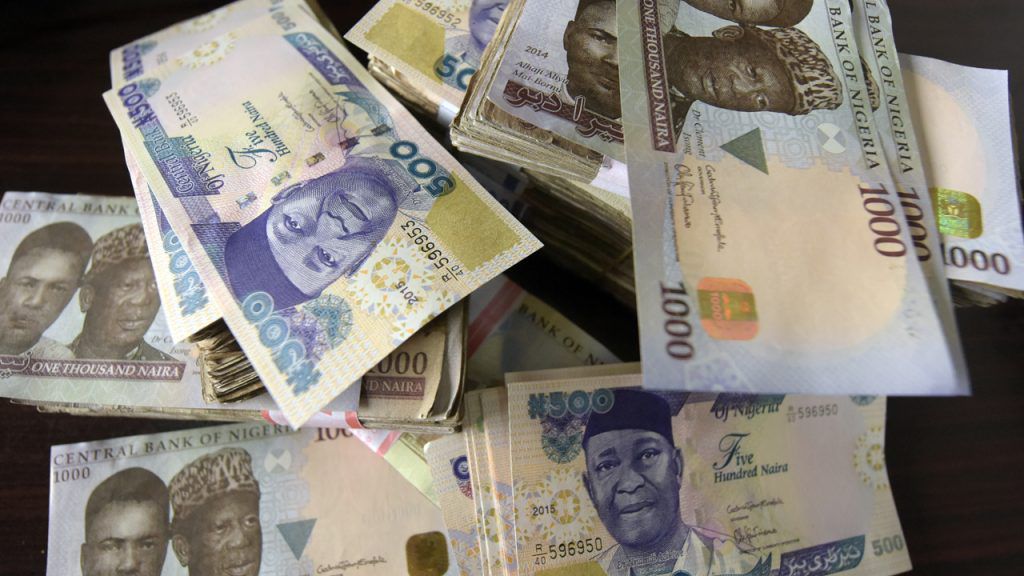
Nigeria’s foreign exchange (FX) turnover has seen a significant surge, reaching an impressive N23.95 trillion. This substantial increase in the volume of FX transactions highlights the growing activity in the country’s financial markets and signals positive trends for the Nigerian economy. The surge is indicative of various underlying factors, ranging from increased market liquidity to broader economic reforms.
Factors Driving the Surge in FX Turnover
The N23.95 trillion turnover reflects a substantial increase in trading activity, and several factors have contributed to this surge. A key factor is Nigeria’s growing foreign exchange market, which is supported by both demand and supply-side dynamics. On the demand side, there has been a rise in the need for foreign currency for imports, investment, and travel purposes. With Nigeria being a large importer of goods and services, the demand for foreign currencies, particularly the US dollar, has been a significant driver of increased turnover.
On the supply side, Nigeria’s Central Bank (CBN) has implemented various measures to boost liquidity in the FX market. These efforts include the introduction of policies aimed at stabilizing the exchange rate and ensuring sufficient foreign currency availability. The government has also made efforts to diversify Nigeria’s revenue sources to reduce reliance on oil exports, which historically have accounted for a large portion of the country’s FX earnings. The diversification of the economy into sectors like agriculture, manufacturing, and technology has helped to create more stable and sustainable sources of foreign exchange.
The Role of Nigeria’s Central Bank
The Central Bank of Nigeria (CBN) has played a crucial role in facilitating the surge in FX turnover. By engaging in various interventions, such as injecting dollars into the market, the CBN has helped to stabilize the naira and provide liquidity for businesses and individuals requiring foreign currency. These interventions are particularly important for maintaining the stability of the naira, which has faced pressure due to global economic conditions and fluctuations in the price of crude oil.
The CBN has also taken steps to manage the currency market more efficiently. For instance, the bank has moved toward adopting more flexible exchange rate mechanisms that better reflect the supply and demand for foreign currencies. This has contributed to greater transparency in the market and has made the FX market more attractive to investors and traders alike.
Impact on the Nigerian Economy
The increase in FX turnover is positive for the Nigerian economy for several reasons. First, it helps improve market liquidity, ensuring that there is sufficient foreign currency for importers, investors, and consumers. A liquid FX market is essential for facilitating smooth trade, investment, and economic activities in general.
Second, a more active FX market can contribute to greater economic stability. By managing exchange rates effectively, Nigeria can reduce the volatility that often comes with currency fluctuations, which can harm businesses and impact the cost of imports. In turn, a stable exchange rate helps build investor confidence, which is essential for attracting foreign direct investment (FDI).
Moreover, the increase in FX turnover provides evidence that Nigeria’s efforts to diversify its economy are beginning to pay off. While oil continues to play a significant role in Nigeria’s economy, there is growing attention on other sectors such as agriculture, fintech, and services, which contribute to the country’s foreign exchange reserves. This diversification not only helps cushion the country against oil price shocks but also opens up new avenues for attracting foreign exchange.
Challenges to Sustaining the Growth in FX Turnover
Despite the positive growth in FX turnover, challenges remain in sustaining this momentum. One of the primary challenges is the volatility of the global economic environment. Nigeria, like many emerging markets, is vulnerable to external shocks, such as fluctuations in oil prices and global inflationary pressures. Oil price declines or geopolitical tensions can quickly reverse the gains made in the FX market.
Furthermore, the management of the country’s foreign exchange reserves remains a delicate task. While the surge in FX turnover is a positive sign, maintaining a stable and sustainable level of reserves is crucial for managing any future economic shocks. The CBN will need to balance its interventions in the FX market with prudent fiscal management to avoid depleting reserves or causing undue strain on the economy.
Opportunities and Prospects
The surge in Nigeria’s FX turnover presents both opportunities and challenges for the future. On the one hand, it demonstrates that the country’s financial markets are becoming more robust, with increasing liquidity and transparency. On the other hand, it also highlights the need for continued reforms to address structural issues in the economy, including improving governance, diversifying revenue sources, and ensuring sustainable growth in non-oil sectors.
One promising area is Nigeria’s growing digital economy. With the rise of fintech, digital payment solutions, and the growing influence of e-commerce, there is an opportunity for Nigeria to expand its foreign exchange inflows through technology-driven sectors. As these industries continue to flourish, they will help to boost Nigeria’s FX reserves and stabilize the currency further.
Additionally, the African Continental Free Trade Area (AfCFTA) agreement presents opportunities for Nigeria to increase trade with other African nations, potentially boosting foreign exchange inflows. By improving intra-Africa trade, Nigeria can further reduce its dependence on oil exports and position itself as a leading economic power in the continent.
Nigeria’s foreign exchange turnover reaching N23.95 trillion is a positive indicator of the country’s economic resilience and the growing activity in its financial markets. While the surge is driven by multiple factors, including increased demand for foreign currencies and the Central Bank’s liquidity interventions, the challenge remains to ensure that this growth is sustainable in the long term. Addressing structural issues in the economy, diversifying revenue streams, and promoting investor confidence will be key to sustaining this positive trend and ultimately driving economic growth and development in Nigeria.




Responses