Naira down to N1,670/$ in parallel market


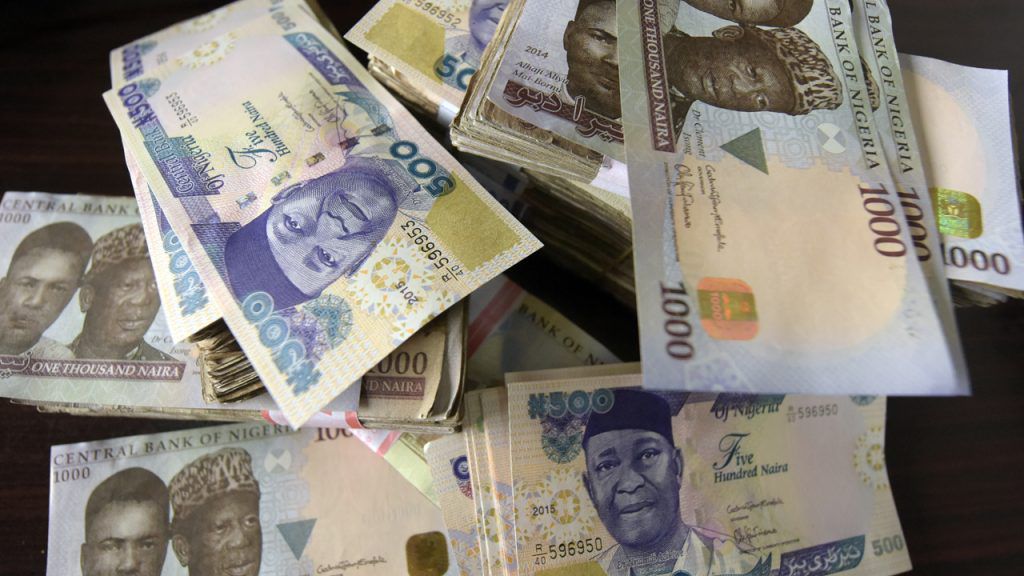
The Nigerian naira has experienced a significant depreciation, dropping to N1,670 per dollar in the parallel market, signaling continued pressure on the country’s currency. This recent decline, which marks a sharp drop from previous exchange rates, reflects a range of underlying economic challenges in Nigeria, including dwindling foreign exchange reserves, inflationary pressures, and the impact of global financial trends. As the naira weakens, both businesses and individuals are grappling with the consequences of higher costs of imports, increased inflation, and limited access to foreign currency for essential transactions.
The naira’s sharp fall in the parallel market comes at a time when Nigeria is facing a multitude of economic difficulties, including a slowdown in oil revenues and rising consumer prices. The Central Bank of Nigeria (CBN) has long struggled to manage the country’s currency volatility, with efforts to stabilize the naira often thwarted by a shortage of foreign exchange and fluctuating global oil prices. Since Nigeria is heavily reliant on oil exports, any reduction in oil revenues or disruptions to global oil markets directly impacts the country’s foreign exchange reserves and its ability to maintain a stable currency.
The devaluation of the naira in the parallel market highlights a significant gap between official and unofficial exchange rates. The official exchange rate, which is determined by the Central Bank of Nigeria, remains much lower than the parallel market rate, with the naira trading for around N800 to N900 per dollar in official channels. However, the stark difference between the official and parallel rates underscores the scarcity of foreign currency in the official market, pushing more people to turn to the black market for their foreign exchange needs.
For businesses and individuals in Nigeria, this widening exchange rate disparity has created substantial economic challenges. Many businesses that rely on imported goods are now facing much higher costs due to the increased parallel market exchange rate. As the naira weakens, the cost of raw materials, spare parts, and other imported goods rises, leading to higher prices for consumers. This, in turn, fuels inflation, further eroding the purchasing power of Nigerians and exacerbating the cost-of-living crisis.
The currency depreciation also impacts remittances, which many Nigerians rely on for financial support from family members abroad. With the parallel market rate so much higher than the official rate, those sending remittances to Nigeria are seeing significantly less value for their money, reducing the effectiveness of financial transfers for recipients in the country. This reduction in remittance value could further strain household budgets, especially as many Nigerians depend on remittances to meet daily needs and cover expenses such as tuition fees, healthcare, and rent.
Experts have pointed out that the continued fall of the naira in the parallel market could further undermine investor confidence in the country’s economy. Foreign investors, who are already wary of the risks posed by Nigeria’s volatile currency, are likely to be discouraged from increasing their investments in the country if the exchange rate instability persists. Additionally, the widening gap between official and parallel market rates could discourage Nigerians from converting their foreign currency savings into naira, further exacerbating the foreign exchange crisis.
The challenges facing the naira are also linked to broader global economic trends, including tightening monetary policies by central banks in advanced economies, particularly the U.S. Federal Reserve. As interest rates rise in countries like the United States, the value of the dollar strengthens globally, putting additional pressure on emerging market currencies like the naira. This global trend has made it harder for countries like Nigeria to maintain stable exchange rates, as the demand for dollars rises, especially for trade and investment.
In response to the currency crisis, the Central Bank of Nigeria has introduced various measures aimed at stabilizing the naira. These measures include efforts to boost foreign exchange reserves, attract more foreign investment, and reduce the country’s reliance on oil exports. However, these initiatives have yet to yield significant results, and many Nigerians continue to struggle with the impact of the currency’s volatility. The CBN has also attempted to introduce more stringent measures to curb parallel market trading, including cracking down on illegal forex dealers and limiting access to foreign currency for non-essential imports. Despite these efforts, the gap between the official and parallel market exchange rates remains wide.
Looking ahead, it is unclear how long the naira will continue to decline in the parallel market. Some analysts predict that the currency could experience further depreciation if the underlying economic issues, such as the lack of foreign exchange liquidity and dependence on oil exports, are not addressed. Others believe that more aggressive measures by the CBN, such as adjusting the official exchange rate or implementing policies to increase foreign exchange inflows, could help stabilize the currency in the longer term.
In conclusion, the naira’s fall to N1,670 per dollar in the parallel market underscores the deepening challenges facing Nigeria’s economy. With rising inflation, a widening gap between official and parallel market rates, and a continued reliance on oil revenues, the country is facing significant hurdles in stabilizing its currency and economy. As the situation unfolds, it will be critical for policymakers to implement strategies that address the root causes of currency instability, while also protecting the purchasing power of ordinary Nigerians and ensuring that the economy remains resilient in the face of ongoing global uncertainties.





Responses