IMF projects stability as naira drops to 1654.09/$

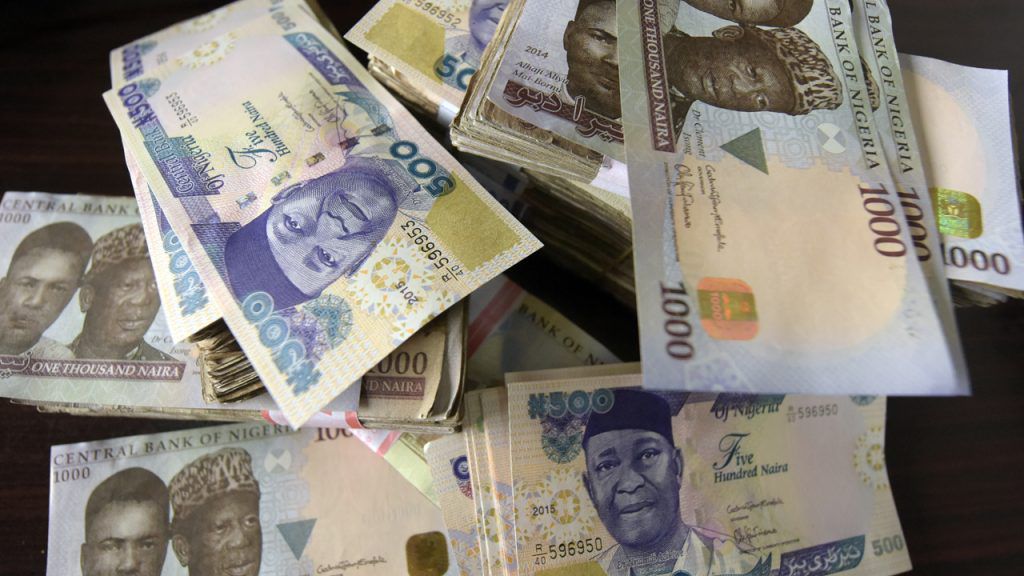
The International Monetary Fund (IMF) has indicated that the naira is beginning to stabilize, attributing this improvement to recent interest rate increases and the Central Bank of Nigeria’s (CBN) efforts to resolve foreign exchange backlogs. This information was included in the IMF’s recent Global Financial Stability Report, which was reviewed on Wednesday.
The report highlighted that the CBN’s initiatives to address outstanding foreign exchange obligations have been instrumental in stabilizing the naira. It stated, “Local authorities’ policy measures have led to positive outcomes; for instance, in Nigeria, interest rate hikes and the clearing of overdue foreign exchange obligations have contributed to a more stable naira.”
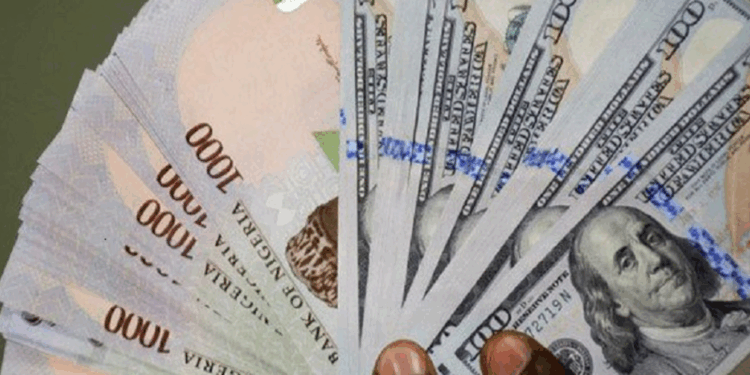
Despite these signs of stabilization, recent figures from the FMDQ Exchange reveal a slight decline in the naira’s value, which dropped from N1,653.02 per dollar on October 22, 2024, to N1,654.09 the following day, marking a minor depreciation of 0.06 percent. Additionally, foreign exchange turnover decreased significantly by 22.41 percent, falling from $176.15 million to $136.68 million.
The IMF’s assessment comes as Nigerian authorities continue their efforts to stabilize the foreign exchange market and enhance liquidity. However, the notable drop in FX turnover underscores ongoing challenges in balancing supply and demand in the market.
The World Bank’s latest Africa’s Pulse report noted that the naira ranks among the worst-performing currencies in Sub-Saharan Africa for 2024. By the end of August 2024, the naira had depreciated approximately 43 percent year-to-date, placing it alongside the Ethiopian birr and South Sudanese pound as one of the weakest currencies in the region.
This depreciation has been linked to several factors, including increased demand for US dollars in the parallel market, limited dollar inflows, and delays in foreign exchange allocations by the CBN. The World Bank further pointed out that the rising demand for dollars from financial institutions, non-financial end-users, and money managers has intensified pressure on the naira.
The report noted, “As of August 2024, the Ethiopian birr, Nigerian naira, and South Sudanese pound were among the region’s poorest performers. The naira continued to lose value, with a year-to-date depreciation of about 43 percent by the end of August. The surge in demand for US dollars in the parallel market, coupled with limited dollar inflows and slow disbursements from the central bank to currency exchange bureaus, has contributed to the naira’s decline.”
This trend has continued despite various foreign exchange market reforms implemented by the Nigerian government, including the liberalization of the official exchange rate which commenced in June 2023.



Responses