FG Credits Naira Rebound to Oil Receipts


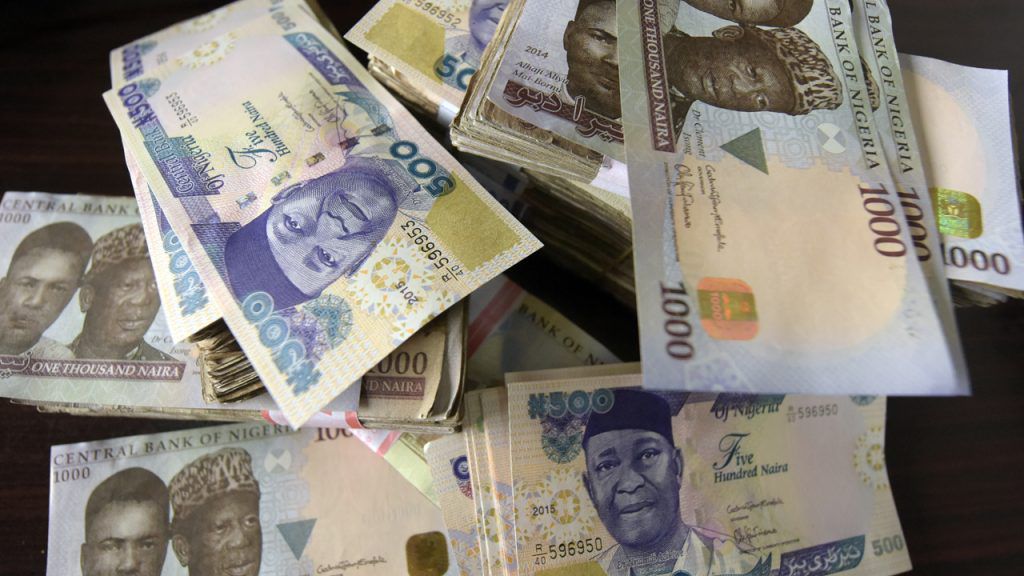
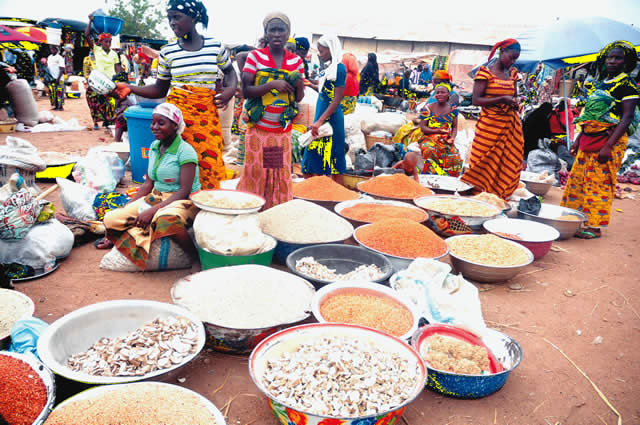
Nigeria’s national currency, the Naira, has had a turbulent journey over the past two years, swinging between sharp declines and hopeful recoveries. For millions of Nigerians, the value of the Naira is not just a number quoted on financial news channels; it directly determines the cost of food, rent, fuel, and school fees. When the Naira weakens, household budgets shrink, businesses struggle to plan, and importers find themselves squeezed. This is why its recent rebound has been widely discussed, offering both relief and cautious optimism.
According to the Director-General of the Budget Office of the Federation, Tanimu Yakubu, the strengthening of the Naira in 2025 can be traced to three main developments: higher oil receipts, stronger inflows of diaspora remittances, and the clearance of foreign exchange backlogs. In his words, these factors have not only given the currency breathing space but also positioned it as a symbol of competitiveness rather than fragility.
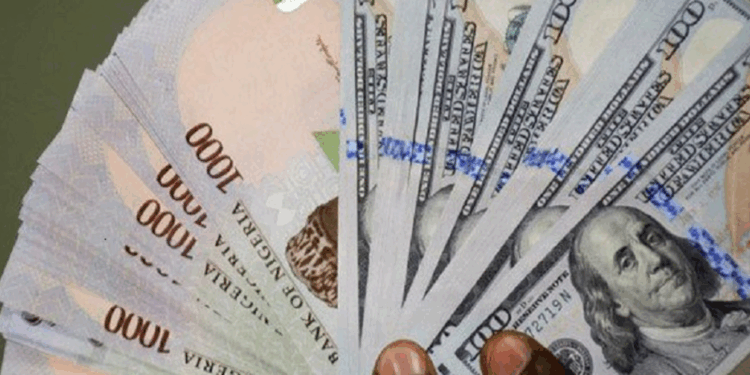
Yakubu reminded Nigerians that the reforms introduced by President Bola Tinubu’s administration were never designed to produce instant comfort. In fact, when the Central Bank of Nigeria scrapped the multiple exchange windows in 2024, the immediate outcome was a sharp depreciation of the Naira. At its lowest point in March 2024, the currency fell to around N1,800 per dollar, sparking fears of a looming collapse. Many commentators described it as the death of the Naira, with some critics calling it “worthless.”
However, Yakubu explained that what appeared to be a collapse was actually a reset. The government had deliberately chosen to recalibrate the foreign exchange market by unifying rates. This painful adjustment, though difficult at first, was essential to rebuild credibility and attract investment. Without it, Nigeria risked continuing in a cycle where multiple exchange rates encouraged arbitrage, corruption, and inefficiency.
By August 2025, the Naira had recovered to about N1,525 per dollar, representing a 15.28 percent appreciation within five months. This recovery, Yakubu argued, was made possible by three forces working in tandem.
First was the increase in oil receipts. Nigeria’s crude oil production and sales picked up pace, supported by stronger global demand and improved local output. Since oil remains the country’s largest source of foreign exchange earnings, the higher inflows naturally gave the Naira more stability.
Second was the resilience of diaspora remittances. Nigerians living abroad continued to send money home to support families and invest in businesses. These remittances provided an important cushion, supplying steady inflows of foreign exchange even during periods when oil revenues fluctuated.
The third factor was the clearance of outstanding foreign exchange backlogs. In March 2024, the Central Bank announced the full settlement of valid FX obligations amounting to $1.5 billion. By 2025, an additional four billion dollars’ worth of obligations were also cleared. This restored confidence among investors and businesses who had been frustrated by delays in accessing foreign exchange for imports and other transactions. With the backlogs addressed, the market became more transparent and predictable.
Yakubu insisted that the unification of the foreign exchange market was not just a technical adjustment but a major structural reform. By creating a single transparent exchange rate, Nigeria restored investor confidence and improved trade flows. Exporters and manufacturers could now plan with greater certainty, while foreign investors no longer had to worry about navigating multiple exchange windows with unclear rules.
The results have been particularly visible in the export sector. With the Naira now trading at a more realistic level, Nigerian products have become more competitive abroad. Agricultural exports such as cocoa and sesame, as well as manufactured goods like processed chocolate, found themselves cheaper in markets as far as New York, Mumbai, and São Paulo. Importantly, this did not mean that Nigerian producers earned less in local terms; instead, they benefited from higher Naira revenues while foreign buyers enjoyed more affordable prices in dollar terms.
Data from the Budget Office confirmed this trend. Non-oil exports rose from $2.696 billion in the first half of 2024 to $3.225 billion in the same period of 2025. Export volumes also increased, moving from 3.83 million metric tonnes to 4.04 million metric tonnes. This indicated that foreign buyers were not just paying more because of price changes—they were actually buying more Nigerian goods.
Yakubu described this as a “sweet spot” for the economy, a situation where everyone benefits. Exporters earn more, foreign buyers pay less, and the economy gains from stronger foreign inflows. He called it a virtuous cycle: foreign exchange reforms lead to a realistic Naira, a realistic Naira boosts competitiveness, competitiveness drives exports, and the resulting inflows strengthen the currency even further.
For Yakubu, the story of the Naira should no longer be seen in terms of collapse and recovery but in terms of reinvention. He argued that if Nigeria stays committed to its reforms, the Naira will become a tool for growth, capable of driving trade and attracting long-term investment.
He also emphasised that the government must not lose momentum. While progress has been made, reforms require discipline and consistency. Any return to old habits of multiple rates, arbitrary controls, or unsustainable subsidies could reverse the gains made so far.
What Nigerians Should Know
The Naira’s rebound has also been shaped by the way foreign exchange liabilities were managed. In February 2024, Central Bank Governor Olayemi Cardoso revealed that out of an initially reported seven billion dollars in FX liabilities, about $2.4 billion were invalid. This discovery came after a forensic audit carried out by Deloitte Management Consultant. By weeding out invalid claims and focusing on valid obligations, the Central Bank was able to clear the backlogs more effectively and restore credibility.
For Nigerians, the rebound of the Naira is more than a technical victory. It is about stabilising prices, improving access to imports, encouraging exports, and creating an environment where investors feel confident. It is also about building an economy that is less vulnerable to shocks and more capable of sustaining growth.
The journey is far from over, and the challenges are still real. Inflation remains high, unemployment is stubborn, and millions of households are still struggling to cope with rising costs. Yet the Naira’s rebound shows that reforms, though painful, can deliver tangible results when pursued with consistency and transparency.
If Nigeria continues on this path, the currency could evolve into more than just a medium of exchange. It could become a symbol of resilience, competitiveness, and a redefined economy that learns to use its resources wisely.



Responses