National Assembly Concludes Constitution Review, Sets Stage for Historic Vote

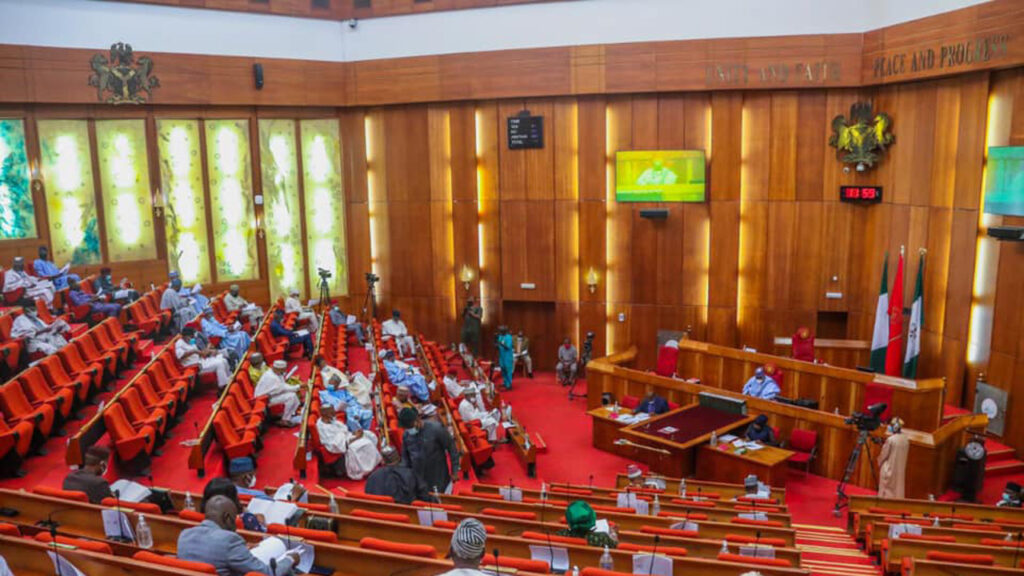
The National Assembly has entered the final phase of the long-running constitution review process, holding what leaders described as the last and decisive joint retreat ahead of a historic vote on constitutional alteration bills. On Monday, federal lawmakers, members of the Constitution Review Committee, and Speakers of the 36 State Houses of Assembly convened for a conclusive session, marking the end of deliberations and the beginning of the crucial voting stage that could reshape Nigeria’s political and governance structure.
Senator Barau Jibrin, Deputy Senate President and Chairman of the Constitution Review Committee, set the tone for the meeting, stressing that the retreat was not meant for further debate but for final alignment. According to him, the contentious issues had been extensively discussed and resolved during the Lagos retreat held in October, leaving only ratification, harmonisation, and technical documentation. “Our meeting today will be less deliberative,” he told participants. “The purpose is to approve positions reached previously. This is the last lap of this assignment. We must fulfil our promise to Nigerians that the bills will be transmitted to the State Houses of Assembly this year.”
The urgency of the moment was echoed by Hon. Benjamin Okezie Kalu, Deputy Speaker of the House of Representatives and Chairman of the House Committee on Constitution Review. Describing the session as a defining point in Nigeria’s democratic evolution, Kalu declared that the period of consultations and debate had ended. “This is the final retreat before the historic voting on the constitution alteration bills,” he stated. “After today, we move from deliberation to decision. We move from consultation to legislative action. We move from debate to delivery.”
Kalu highlighted the extensive consultations that had shaped the committee’s final draft, including six zonal public hearings, three technical retreats, and engagements with governors, security agencies, traditional rulers, political parties, civil society organisations, and women’s advocacy groups. He said these interactions reflected a widespread national demand for reforms capable of strengthening Nigeria’s federal structure and addressing long-standing governance challenges.
Among the key reforms repeatedly demanded by stakeholders are the devolution of more powers to the states, guaranteed local government autonomy, the establishment and strengthening of state policing frameworks to enhance internal security, electoral reforms aimed at ensuring greater credibility, deeper fiscal federalism, and broader gender representation in governance.
However, both Barau and Kalu made it clear that the ultimate success of the constitutional amendments now depends heavily on the State Houses of Assembly, which are required under Section 9 of the 1999 Constitution to ratify the bills by a two-thirds majority. Kalu emphasised this point forcefully, saying, “The success or failure of this review will not be determined here in Abuja, but in the 36 State Assemblies. You are the gatekeepers of constitutional reform.”
In a bid to secure broader political alignment, Kalu also announced that state governors would be formally briefed on Wednesday to encourage cooperation and avoid political resistance at the state level. He stressed that this effort was not intended to undermine executive authority but to strengthen federalism and reinforce democratic accountability.
Participants were reminded that the constitutional alterations under consideration could have far-reaching implications for Nigeria’s future. Kalu urged lawmakers to rise to the moment, saying, “History is watching us. Over 200 million Nigerians anticipate direction from this Assembly. This is our moment. Let us rise to it.”
As deliberations officially closed, sub-committee reports were scheduled for harmonisation before being forwarded to plenary sessions in both chambers. Voting is expected to commence shortly, marking what may become one of the most consequential legislative exercises of the 10th National Assembly. If successfully ratified by at least 24 State Houses of Assembly, the proposed constitutional changes could usher in significant governance reforms before the end of the current legislative year.
Public reactions across the country have been mixed. Some Nigerians see the review as a long-overdue opportunity to strengthen institutions, improve grassroots governance, and enhance national cohesion. Others, however, remain sceptical, questioning whether political interests at federal and state levels will ultimately derail the process—particularly contentious provisions such as local government autonomy and state police, which historically faced strong resistance from some governors and state assemblies.
Regardless of where the political winds blow, one fact remains clear: Nigeria stands at the threshold of profound constitutional transformation. What happens in the coming weeks will determine whether the country moves closer to a more decentralised, accountable, and equitable federal system—or whether the current effort becomes yet another missed opportunity in the long and turbulent history of constitutional reform.


Responses