National Assembly Resumes on Constitution and Security


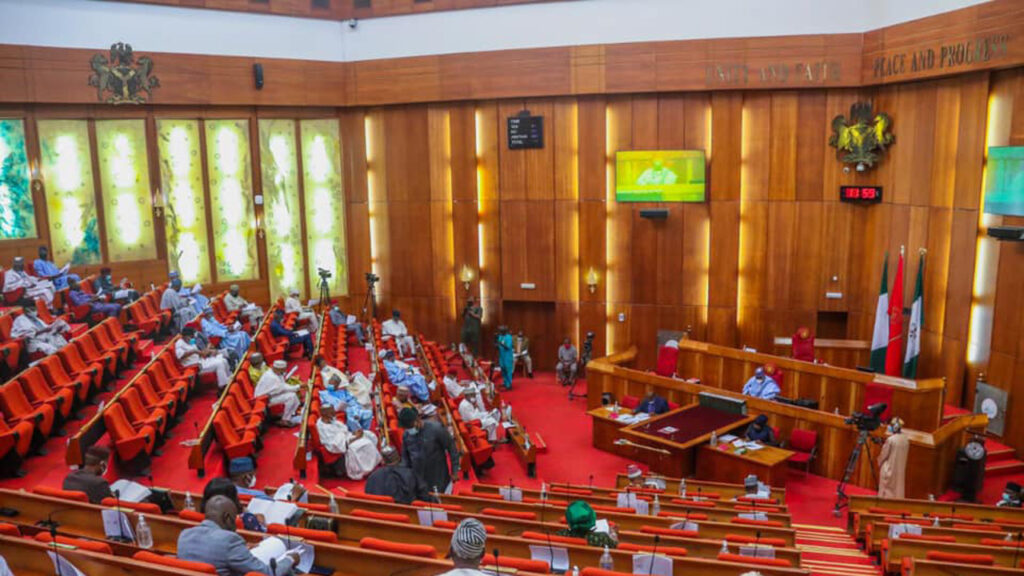
After a two-month break, Nigeria’s National Assembly is returning to work with several weighty issues waiting for attention. The lawmakers had gone on their annual recess on July 23, 2025, and while some ad hoc committees remained active in hearings and consultations, the chambers of the Senate and House of Representatives went quiet. Now, with legislators resuming, the expectation of Nigerians is high as many pressing national matters have piled up, demanding debate, decisions, and action.
At the forefront of the agenda is the constitution review, a matter that has been discussed and debated repeatedly in Nigeria’s democratic history. Lawmakers had earlier conducted public hearings across the country where citizens, civil society groups, and leaders shared their inputs on what they wanted to see changed in the 1999 Constitution. Common themes included the creation of new states and local governments, the establishment of state police, more defined roles for traditional rulers, and local government autonomy. Other demands covered fiscal federalism, electoral reforms, and the controversial matter of immunity for public officeholders.
Senate Leader Opeyemi Bamidele, speaking on behalf of the Constitution Review Committee, explained that the harmonised report will be compiled and forwarded to state assemblies before the end of the year. The goal is to secure adoption by at least two-thirds of the 36 state assemblies before transmitting it to the president for assent. Bamidele also assured Nigerians that timelines have been set to ensure the process moves quickly. The urgency is clear many citizens have long regarded the 1999 Constitution as a flawed document, drafted during military rule and not fully aligned with the democratic aspirations of the country. Despite several attempts at amendment over the years, Nigerians still question the structure of governance, the devolution of power, and the fairness of revenue allocation.
But the constitution is not the only pressing issue. Security across the country has continued to deteriorate, and this is expected to dominate debate in the chambers. The past two months alone have been marked by tragic events, including the killing of 63 people by Boko Haram insurgents in Bama Local Government Area of Borno State. The attackers stormed Darul Jamal community, clashing with the military before targeting civilians. In addition, Daily Trust reports that at least 53 security personnel including soldiers, police, NSCDC officers, immigration and customs officials, vigilantes, and JTF members were killed across various states in just two weeks. Communities in Katsina, Benue, Kaduna, Zamfara, and others have all suffered from violent attacks. One of the most painful incidents occurred on August 19, when 13 worshippers were killed during morning prayers in Katsina State.
The frequency and brutality of these attacks highlight the growing concerns around Nigeria’s internal security, and Nigerians will be looking to lawmakers for serious debate and policy responses. Security reform has been on the table for years, but the rising casualties among civilians and security personnel alike suggest that urgent legislative support may be needed to back up executive actions.
Amid these national concerns, the case of Senator Natasha Akpoti-Uduaghan is also expected to draw attention. Natasha was suspended in March 2025 for six months over allegations of misconduct and defiance of Senate rules. However, a Federal High Court judgment described her suspension as unconstitutional, ruling that silencing a senator for such a long period amounted to denying her constituency its voice. Justice Binta Nyako ruled that the National Assembly exceeded its powers in imposing the punishment. Despite this, the Senate under President Godswill Akpabio has appealed the decision and has resisted allowing Natasha to return to plenary.
Natasha insists her suspension ended on September 4, 2025, but the Senate has blocked her attempts to resume, arguing that the matter must be resolved at the Court of Appeal. Lawyers and commentators have criticised the upper chamber’s stance, noting that she has already served out the six-month term. The continued resistance to her resumption raises questions about legislative fairness, the rule of law, and the treatment of dissenting voices within the Senate.
The new session of the National Assembly therefore opens against a backdrop of urgent national challenges and a fair share of internal drama. On one hand, the constitution review represents an opportunity to bring the governance framework closer to the expectations of Nigerians. On the other, the rising insecurity in many states highlights the fragility of national stability and the heavy burden on lawmakers to come up with lasting solutions. Meanwhile, the Natasha Akpoti-Uduaghan saga exposes the fault lines within the Senate and raises uncomfortable questions about institutional respect for judicial decisions.
What is clear is that Nigerians will be paying close attention. After weeks of killings, constitutional debates, and political controversies, the public expects lawmakers to put aside distractions and focus on issues that directly affect lives and livelihoods. The resumption of plenary offers another chance for the 10th National Assembly to either prove its relevance to citizens or fall back into the pattern of endless debates with little impact.
In the coming days, debates on the constitution review and security will reveal how seriously the assembly intends to confront these challenges. Nigerians are not just watching they are demanding answers.




Responses