Nigeria’s Crude Oil Struggles to Find Buyers as 20 Million Barrels Remain Unsold

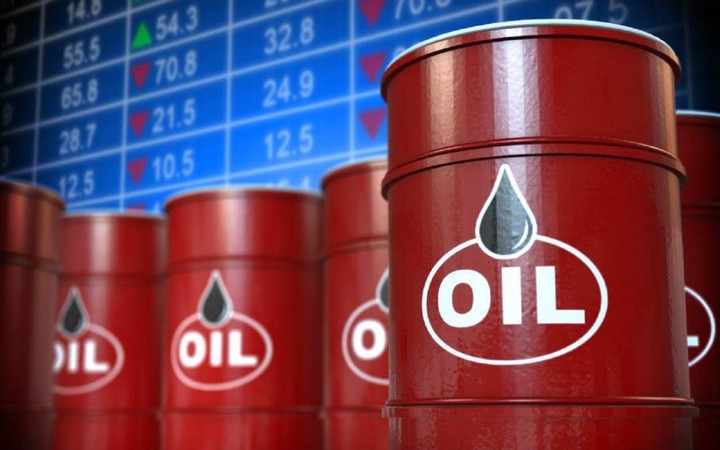
Nigeria, Africa’s largest oil producer, is facing renewed challenges in the global crude oil market as approximately 20 million barrels of Nigerian crude oil scheduled for December and January loading remain unsold. This development, confirmed by industry traders and reported by Reuters, highlights growing competition, shifting global demand patterns, and structural weaknesses in Nigeria’s oil marketing strategy.
According to the report, Nigeria is not alone in this struggle. Angola, another major West African oil exporter, is also grappling with sluggish sales, with between five and six cargoes for December and January still without buyers. In total, traders estimate that up to 26 cargoes of West African crude oil scheduled for loading during the period are yet to be placed in the market.
Why Nigerian Crude Is Struggling
Analysts attribute the weak demand largely to stiff competition from cheaper and more accessible crude supplies from other regions. OilX analyst Francisco Gutierrez explained that the slowdown is partly seasonal but also reflects deeper structural shifts in global oil trade.
According to Gutierrez, Angolan January crude sales are running about 20 percent behind their long-term average, largely because China, the world’s biggest commodities buyer, has shifted towards cheaper or closer alternative crude grades. This change in buying behaviour has had a knock-on effect on Nigerian crude, which traditionally finds strong demand in Asian markets.
Middle Eastern oil producers have also gained an advantage in Asia after lowering their official selling prices for January. Combined with shorter shipping distances, Middle Eastern grades are increasingly displacing medium and heavy West African crudes, making Nigerian oil less competitive.
In addition, India’s continued importation of discounted Russian crude, despite tighter Western sanctions, has further reduced demand for West African oil. Traders note that Russian barrels have replaced Nigerian medium-heavy grades in India, while lighter Nigerian grades are now struggling to compete with supplies from Argentina and Brazil.
A Pattern, Not an Isolated Incident
This is not the first time Nigeria has faced difficulty selling its crude oil. In April 2024, reports showed that the country was unable to clear more than half of its scheduled crude cargoes for May, with over 30 Nigerian cargoes still searching for buyers at the time. At least 53 cargoes were scheduled for loading that month, underscoring the scale of the challenge.
The impact of these sales difficulties is already visible in government finances. The Budget Office of the Federation disclosed that Nigeria’s oil revenue fell by 22 percent to ₦3.9 trillion in the fourth quarter of 2024, representing a ₦1.09 trillion shortfall compared to budget expectations. This revenue gap has raised concerns about the government’s ability to fund capital projects and meet fiscal obligations.
Public Reactions and Key Debates
The reports have sparked intense public debate, particularly around Nigeria’s oil management strategy. Reactions can broadly be grouped into the following themes:
-
Calls to Sell Crude Locally
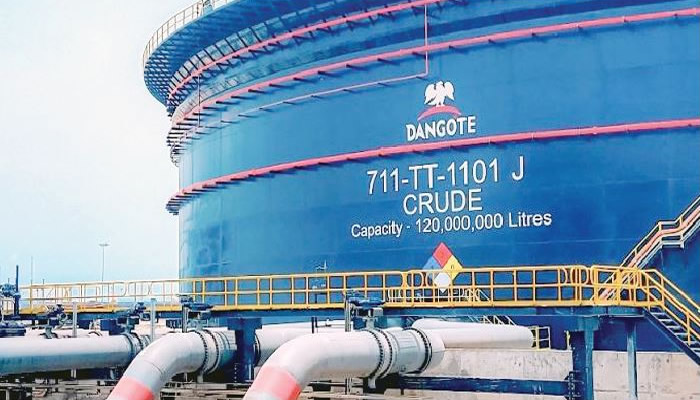
Many Nigerians question why crude oil is left unsold internationally while local refineries, especially the Dangote Refinery, continue to complain of insufficient crude supply. Critics argue that prioritising domestic refining could reduce fuel imports, conserve foreign exchange, and stabilise local fuel prices. -
Allegations of Vested Interests
Some commentators allege that entrenched interests benefit from exporting crude and importing refined products, creating resistance to selling crude locally. According to this view, supplying domestic refineries would disrupt established profit chains. -
Global Market Reality
Others point to global factors beyond Nigeria’s control, including Russia’s discounted crude, Middle Eastern price cuts, and the gradual global shift towards electric vehicles and energy transition, which is softening long-term oil demand. -
Fiscal Consequences
There is widespread concern that weak oil sales will worsen Nigeria’s revenue crisis, forcing the government to rely more heavily on taxation, borrowing, and subsidy removals to fund its budget.
Bigger Questions for Nigeria
The unsold crude situation raises broader questions about Nigeria’s economic direction. As global oil markets become more competitive and demand patterns change, Nigeria’s heavy dependence on crude exports exposes it to increasing risks. Analysts argue that the country must urgently rethink its oil strategy by:
-
Expanding domestic refining capacity
-
Improving crude pricing competitiveness
-
Reducing reliance on oil revenue
-
Accelerating economic diversification
While crude oil remains an essential global commodity, current market dynamics suggest that buyers now have more options, and sellers like Nigeria must adapt quickly or continue to lose ground.
In the end, the challenge is no longer just about producing oil, but about selling it strategically in a changing world.




Responses