
Thousands of Nigerians submit applications to work, study, visit or permanently relocate to Canada every year. For many of them, knowing how long it takes for an application to be processed is almost as important as meeting the eligibility requirements.
Canada has now released a fresh update to its immigration processing timelines, and the latest figures show that while some pathways are moving faster, applicants in a number of popular categories may have to wait longer before receiving a decision.
The new figures, published by Immigration, Refugees and Citizenship Canada (IRCC), present a mixed picture. Some immigration streams have seen processing times reduced, while others—including categories widely used by Nigerians—have become slower compared to previous months.
Nigerian Work Permit Applicants Face Longer Wait
One of the biggest changes affects Nigerians applying for Canadian work permits.
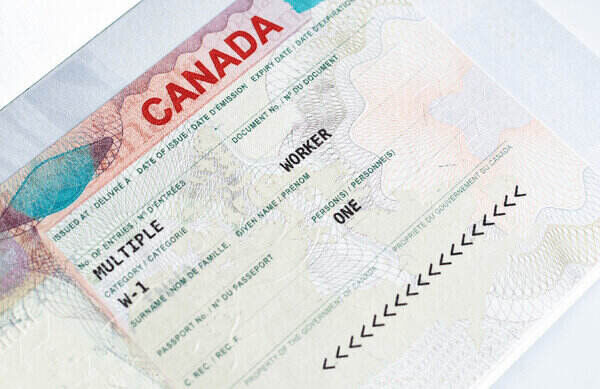
According to the latest update, work permit applications from Nigeria are now taking an average of 17 weeks to process. The timeline has increased by one week compared to the previous estimate and is eight weeks longer than what applicants experienced at the beginning of 2026.
For skilled workers who already have employment offers or are planning to relocate after securing jobs, the increase could affect travel plans, onboarding dates and relocation schedules. Employers waiting for foreign workers may also experience delays before new hires can begin work.
Although IRCC processing times are estimates rather than guarantees, they provide applicants with a realistic expectation of how long their files may remain under review.
Visitor Visa Processing Also Moves Up
The latest update also shows an increase in the waiting period for visitor visas submitted from Nigeria.
Applications that previously took less time are now estimated to require 51 days for processing. This represents a three-day increase from the previous update and an 11-day increase compared with earlier figures released this year.
Visitor visas are commonly used by Nigerians travelling for tourism, family visits, business meetings, conferences and short-term engagements in Canada. The longer timeline means applicants planning trips may need to submit their documents much earlier than intended travel dates.
Study Permit Timeline Remains Relatively Stable
For Nigerians heading to Canadian colleges and universities, there is some stability.
IRCC currently estimates that study permit applications from Nigeria will take approximately six weeks to process. While this has remained largely unchanged from the last update, it is still about one week longer than the timeline recorded in January.
Students preparing for upcoming academic sessions are therefore encouraged to begin the application process early, especially since additional document requests or biometrics appointments can extend the overall timeline.
Not Every Immigration Programme Became Slower
The latest figures also contain positive news for some applicants.
Processing times for Super Visas—which allow parents and grandparents of Canadian citizens or permanent residents to stay in Canada for extended periods—have improved, with current estimates standing at 34 days.
Other immigration pathways that recorded shorter processing periods include inland work permits, Provincial Nominee Program streams under both Express Entry and non-Express Entry categories, and the Atlantic Immigration Program, where waiting times have been reduced considerably.
This shows that Canada’s immigration system is not moving in one direction across all categories. While some application streams are clearing backlogs, others continue to experience increased demand and longer queues.
Citizenship and Family Sponsorship Applications Still Under Pressure
The latest IRCC data also indicates that citizenship certificate applications are now taking around 15 months to process, making them one of the slower categories in the system.
Several family sponsorship streams have also recorded longer waiting periods, while visitor record extensions continue to take months before decisions are issued.
What Applicants Should Do
Anyone planning to work, study or visit Canada should treat the published timelines as planning guides rather than fixed deadlines. Processing times change regularly based on application volumes, staffing levels and operational priorities.
Applicants can reduce the risk of avoidable delays by submitting complete documentation, ensuring forms are properly completed and responding quickly to any additional requests from IRCC.
For Nigerians considering a move to Canada in 2026, the latest update highlights the importance of starting the application process early, particularly for work permits and visitor visas, where waiting times have continued to climb.
???? Stay Empowered with ZOEEB
Join our community for daily updates on jobs, skills, and financial growth opportunities.