Abuja Kaduna Train Service to Resume After Repairs

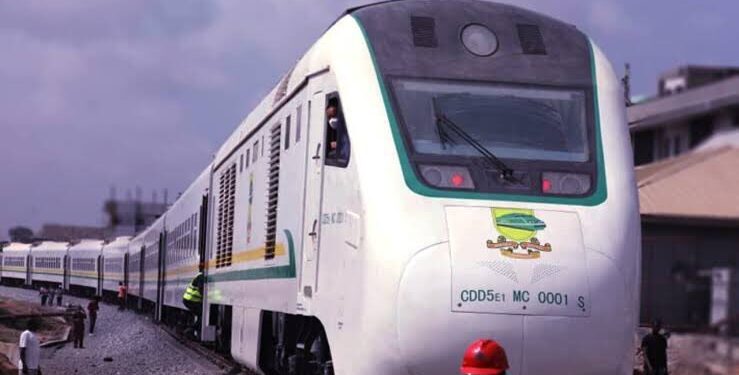
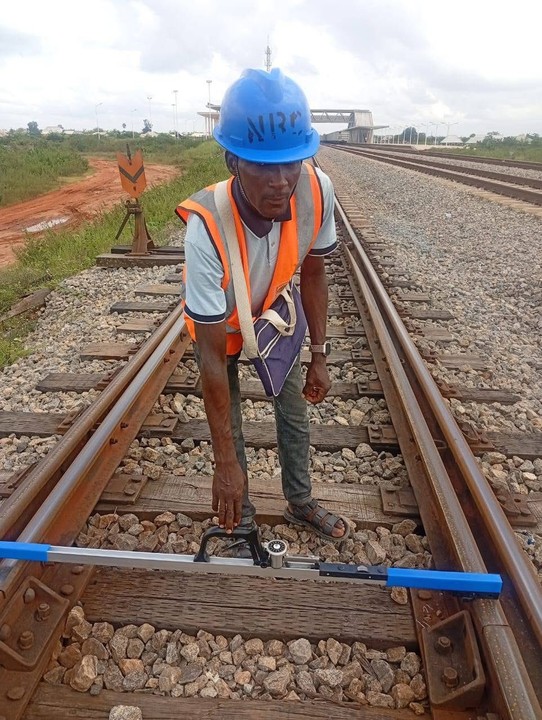
The Nigerian Railway Corporation has confirmed that the Abuja to Kaduna passenger train service will resume this week after weeks of suspension caused by a derailment. The corporation explained that repair works and safety inspections have been completed on the damaged section of track at Asham, and operations will soon return to normal.
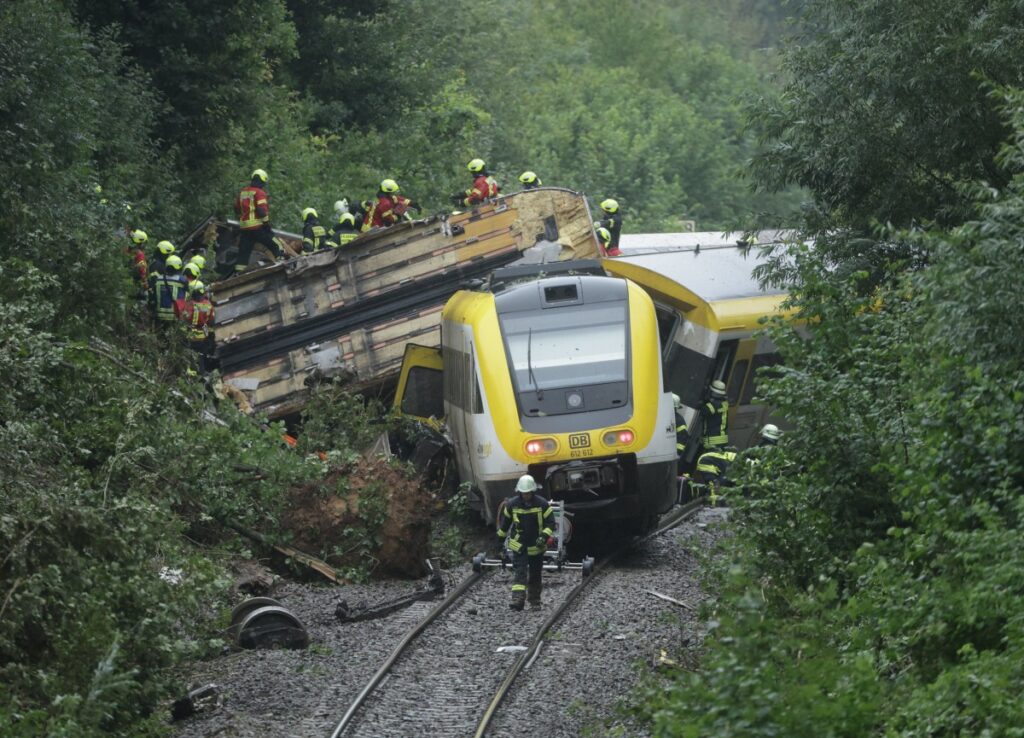
The suspension happened on August 26, 2025, when a Kaduna-bound train derailed shortly after leaving Abuja at 9:45 in the morning. The incident raised concern among commuters who depend on the service as a safe and reliable means of travel between the two cities. Following the accident, the railway corporation halted operations on the corridor to carry out detailed checks and repairs.
In a statement signed by Callistus Unyimadu, the Chief Public Relations Officer, NRC management said that safety was the main reason for suspending services and that work was done to ensure the system meets global standards before trains could return to the tracks. The corporation expressed confidence that the steps taken have restored both the track and the trains to conditions that will ensure passenger welfare and safety.
The statement also revealed that refunds have already been processed for 512 of the 583 passengers who were on board the derailed train. NRC said efforts are still ongoing to reach the remaining passengers to make sure everyone receives compensation. This, according to the corporation, is part of its commitment to protecting the interests of its customers while reassuring the public of its dedication to safe travel.
The railway corporation extended its gratitude to the Federal Ministry of Transportation, security agencies, media, and other stakeholders who supported them during the period of suspension. It further assured that a detailed timetable for resumption, including official dates and schedules, would be communicated in the coming days.
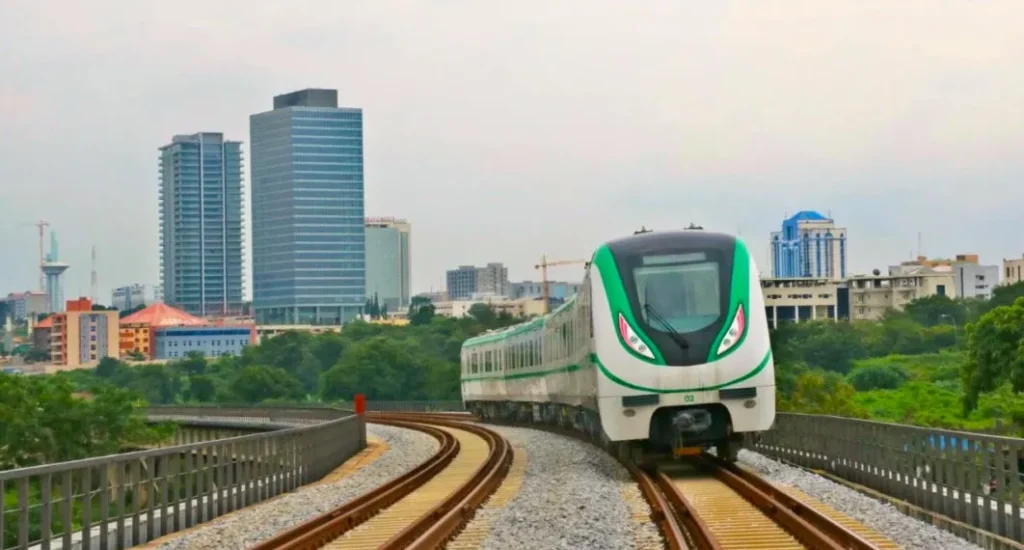
The Abuja to Kaduna rail corridor is one of the busiest passenger routes in the country, and the suspension had disrupted the plans of many travelers, especially those who rely on it for business and official trips. The route has become particularly important as road travel between the two cities remains plagued by security challenges.
Nigeria’s railway system, however, has been battling several challenges over the years, with derailments being one of the most common. According to the National Bureau of Statistics 2023 Social Statistics Report, between 2020 and 2022 the country recorded 183 derailments. This was more than the 155 incidents of loss of control or locomotive failure, 51 detachments, 28 collisions, 9 washouts, and 41 other miscellaneous accidents within the same period. These figures show the scale of the problems that continue to affect rail transport across the country.
In addition to mechanical faults, vandalism has become a major threat to the system. Removal of tracks, theft of signaling equipment, and deliberate sabotage of infrastructure have repeatedly disrupted services. These acts have made operations more difficult and raised concerns about the safety of passengers and railway workers alike.
The Abuja to Kaduna route has experienced some of these problems in recent years. In May 2024, a train derailed at Jeremy Station along the same line. The most recent incident on August 26, 2025, was reportedly caused by a “hot axle” fault near Rigasa Station, which disrupted service for business-class passengers in particular. Each of these incidents has put pressure on the NRC to improve its monitoring and maintenance procedures.
Despite these challenges, the railway remains one of the most relied upon means of transport in the country, particularly because of its role in connecting major cities. For many Nigerians, the return of the Abuja to Kaduna train is welcome news, as it offers a safer and faster alternative to the highway. The resumption also represents an opportunity for the corporation to rebuild trust with passengers by ensuring that safety and reliability are given priority going forward.
As services prepare to restart, the hope among travelers is that the NRC will continue to make investments in maintenance and technology that can prevent future accidents. By addressing vandalism, upgrading infrastructure, and keeping safety at the forefront, the Abuja to Kaduna line could become a model for other corridors. For now, the immediate return of the service marks a step toward stability and a reassurance to the thousands of passengers who rely on the train for their daily movement.



Responses