ASUU Suspends Two-Week Warning Strike After Overnight Meeting


The Academic Staff Union of Universities (ASUU) has announced the suspension of its ongoing two-week warning strike, following an overnight meeting of its National Executive Council (NEC) in Abuja.
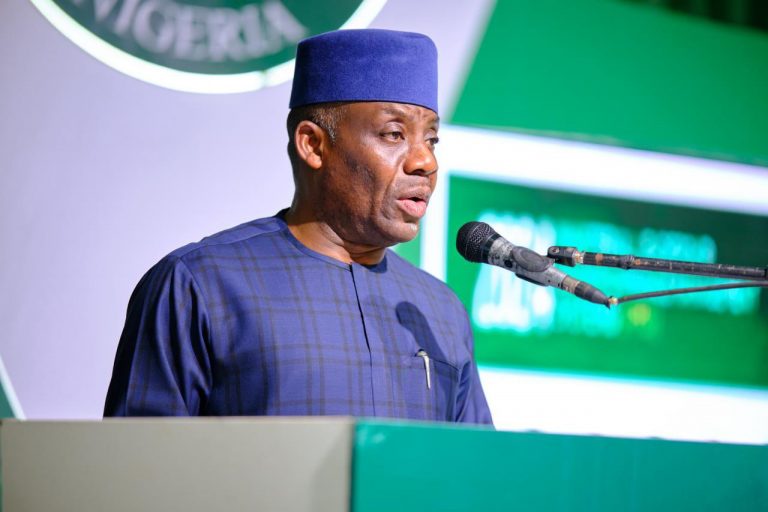
The announcement was made by ASUU National President, Prof. Chris Piwuna, during a press briefing on Wednesday morning, where he explained that the union’s decision came after “useful engagements” with government representatives and consideration of appeals from concerned Nigerians.
According to Piwuna, the NEC meeting — which reportedly lasted through the night and ended around 4:00 a.m. — reviewed the progress made in negotiations with the federal government and decided to suspend the strike “in the spirit of good faith.”
Why ASUU Went on Strike
ASUU had earlier declared a two-week warning strike beginning Monday, October 13, to protest what it described as the government’s failure to meet key demands outlined in the renegotiated 2009 FGN-ASUU Agreement.
The union’s grievances included:
-
Non-implementation of the 2009 agreement.
-
Non-payment of three and a half months of withheld salaries from the 2022 strike.
-
Lack of sustainable funding and revitalisation of public universities.
-
Alleged victimisation of lecturers at Lagos State University (LASU), Prince Abubakar Audu University, and the Federal University of Technology, Owerri (FUTO).
-
Non-payment of 25–35% salary arrears, promotion arrears, and withheld third-party deductions such as cooperative contributions and union dues.
“We’re Not Where We Were” – Piwuna
While addressing journalists, Prof. Piwuna said the strike had achieved some progress by compelling the government to return to the negotiation table.
“We’ve had useful engagements with representatives of the government to consider the response to the draft renegotiation of the 2009 agreements. However, we are definitely not where we were prior to the commencement of the strike,” he said.
The ASUU president added that the union’s NEC resolved to suspend the warning strike “to reciprocate the efforts of well-meaning Nigerians,” including students, parents, and members of the Nigeria Labour Congress (NLC), who intervened to ensure both parties resumed dialogue.
“Implementation is the key. We expect the government to show sincerity this time. Our decision to suspend the strike is not a sign of weakness but an act of goodwill,” he added.
Mixed Reactions Trail Suspension
The decision quickly generated mixed reactions across social media platforms, with Nigerians divided over whether the suspension was a victory for dialogue or another temporary pause in a long cycle of disputes.
On Nairaland, user emmanuelewumi commented, “Never knew they were on strike sef.” Another user, inoki247, joked, “Some students might actually experience four years without strike at this rate.”
Supporters of President Tinubu praised the outcome, crediting his administration for what they described as effective negotiation. Pastorjohn2 wrote, “President Tinubu has done well. This is something PDP and Peter Obi can never achieve.” Similarly, temitope27 commented, “God bless Asiwaju Bola Ahmed Tinubu.”
Others, however, were less optimistic. McLizbae criticized ASUU’s decision, saying, “ASUU went on strike because of government promises and suspended it again based on government promises. It’s a cycle.”
User Tohsynetita1 expressed concern about the government’s attitude toward education: “Tinubu does not care. ASUU is only trying to do what they can for the sake of poor students and themselves.”
Another user, Franklyspeakin, wrote, “Lecturers have suffered enough in this country. Let’s watch how serious the government really is this time.”
What Lies Ahead
With the suspension of the warning strike, academic activities are expected to resume immediately across universities nationwide. However, ASUU has warned that it will not hesitate to take further action if the government fails to honor its commitments.
The union insists that sustainable funding, fair remuneration, and improved working conditions are essential to restoring the integrity of Nigeria’s public universities.
Education analysts have described the temporary truce as a “fragile peace”, noting that without concrete implementation of agreements, another round of strikes may be inevitable.
Since 1999, ASUU has embarked on over 20 strike actions, making it one of the most frequent industrial unions in Nigeria’s history. Many observers believe lasting stability in the sector will require not just negotiations but a genuine reform of how education is funded and managed in the country.
For now, students, parents, and lecturers alike are hopeful that this time, the government and ASUU can finally move from promises to performance.






Responses