Cooking Gas Prices in Nigeria Surpass Global Peers Despite Lower Incomes

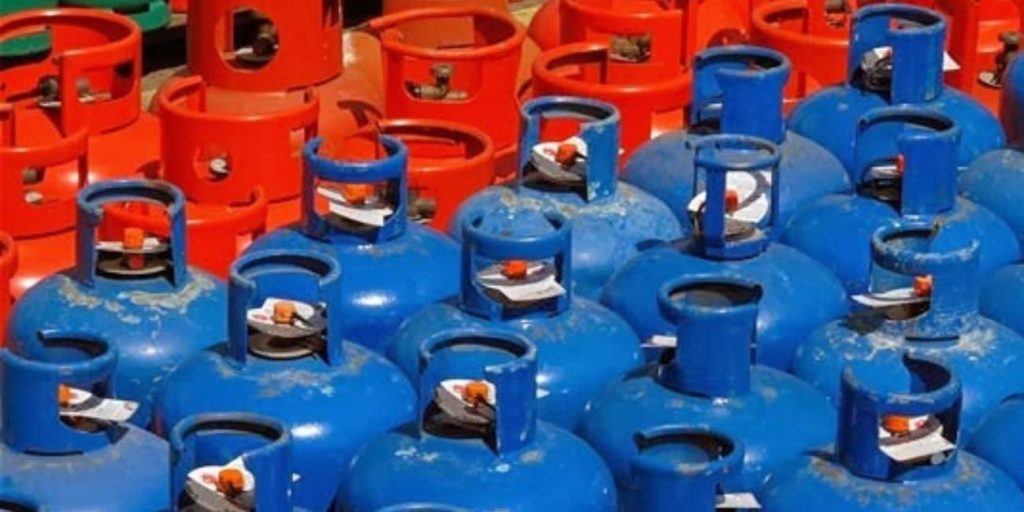
A recent review of international pricing data has revealed a troubling reality for Nigerian households: the cost of cooking gas in the country is significantly higher than in several other nations, including major oil and gas producers. The findings have sparked renewed concerns about energy affordability and the growing financial pressure on citizens.
According to data from the Global Petroleum Price portal, Liquefied Petroleum Gas (LPG), commonly used for cooking, was priced at approximately $0.674 per kilogram in Nigeria as of March 16, 2026. This places Nigeria among countries with relatively high LPG prices, despite its vast natural gas reserves and status as a leading energy producer in Africa.
In comparison, several countries with strong energy sectors offer LPG at much lower prices. Saudi Arabia, for instance, sells cooking gas at about $0.290 per kilogram, while Russia records around $0.388. Angola, another oil-rich African nation, has one of the lowest prices at $0.109 per kilogram, while Azerbaijan’s rate stands at approximately $0.091. Even countries outside the major oil-producing league, such as Honduras ($0.412), Belarus ($0.438), and Armenia ($0.503), still offer cheaper alternatives than Nigeria.
Further comparisons show that India, with its massive population, has LPG priced at around $0.648 per kilogram, slightly below Nigeria’s figure. Paraguay and Chile post similar figures, but the broader pattern indicates that Nigerians are paying more than many citizens in both developed and emerging economies.
Beyond the price differences, income levels deepen the concern. While Nigerians pay relatively higher prices for cooking gas, their earning power remains significantly lower. For example, the minimum wage in Saudi Arabia is estimated at about $1,065 monthly, while Russia’s stands at roughly $321. In stark contrast, Nigeria’s minimum wage is approximately $49. This disparity highlights a severe gap in purchasing power, making cooking gas far less affordable for the average Nigerian household.
The rising cost of LPG reflects wider developments within Nigeria’s energy sector. Over recent months, prices of petroleum products have continued to climb, affecting transportation, electricity alternatives, and household energy consumption. As a result, many Nigerians who had previously switched from kerosene or firewood to cooking gas for cleaner and safer cooking are now struggling to sustain that choice.
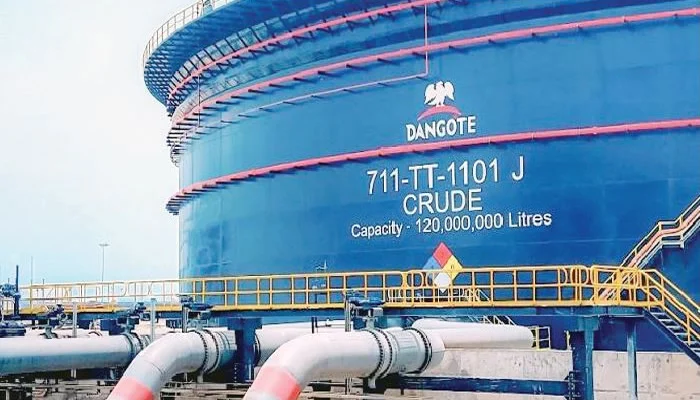
Adding to the situation, the Dangote Refinery recently increased its gantry price for LPG from ₦760 to ₦800 per kilogram, effective March 17, 2026. This adjustment is tied to rising global crude oil prices, which influence the cost of feedstock and refining processes. As international energy markets remain volatile, domestic prices continue to reflect those fluctuations.
Industry observers note that Nigeria’s high LPG prices are influenced by multiple factors, including exchange rate pressures, infrastructure limitations, distribution costs, and reliance on imports for parts of the supply chain. Despite being rich in natural gas, the country still faces challenges in refining, storage, and transportation, all of which contribute to higher end-user prices.
The implications are far-reaching. For millions of Nigerians, cooking gas is no longer just a household commodity but a growing expense that competes with other essential needs. As affordability declines, there are fears that some households may revert to more hazardous alternatives like firewood and charcoal, raising environmental and health concerns.
In summary, while Nigeria possesses abundant gas resources, the benefits are not fully translating to affordable energy for its citizens. The contrast between high domestic prices and lower international benchmarks underscores the urgent need for reforms in the gas value chain. Without strategic interventions to address infrastructure gaps and pricing mechanisms, the burden on ordinary Nigerians is likely to persist.




Responses