Dangote refinery stops petrol sales in naira

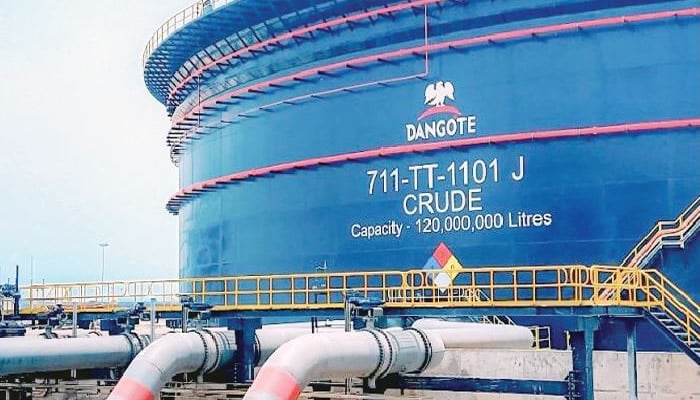
The Dangote Petroleum Refinery has sent shockwaves through the Nigerian oil market after announcing that it will stop selling petrol in naira. The decision, which takes effect from Sunday, September 28, 2025, has unsettled fuel marketers and raised concerns about the future of petrol pricing and the impact on the already fragile exchange rate system.
In an email sent to customers at exactly 6:42 pm on Friday, the refinery explained that it had exhausted its crude-for-naira allocation, which had been the basis for selling petroleum products in local currency. The notice, signed by the Group Commercial Operations of Dangote Petroleum Refinery & Petrochemicals, was titled “Suspension of DPRP PMS Naira Sales – Effective 28th September 2025”. The company also advised customers with ongoing naira-based transactions to formally request refunds, stressing that the suspension would remain in place until the situation was resolved.
The statement made it clear that the company had been selling products beyond its allocated quota under the crude-for-naira arrangement. With that allocation now fully used up, the refinery said it could no longer continue petrol sales in local currency. While the management promised to provide updates on when naira transactions might resume, the uncertainty has already sparked fear of a looming fuel price hike.
This announcement comes at a tense time for the refinery, which has been facing mounting criticism from labour unions following allegations of mass layoffs. Reports suggest that more than 800 Nigerian workers have been sacked, triggering outrage from union leaders and calls for government intervention. The Petroleum and Natural Gas Senior Staff Association of Nigeria accused the refinery of anti-labour practices, describing the mass termination as unjust and insensitive. They vowed to resist the move and hinted at possible nationwide solidarity actions if the issue is not addressed urgently.
The suspension of petrol sales in naira is not entirely new. Earlier in March 2025, the refinery had briefly halted naira transactions, claiming that its crude-for-naira allocation was insufficient to meet growing local demand. That move sparked widespread debate about the gradual dollarisation of fuel sales in Nigeria, with many citizens worrying that prices would spiral beyond the reach of ordinary Nigerians. At that time, pump prices surged to nearly N1,000 per litre, adding to inflationary pressures already straining households across the country.
Industry analysts believe the latest decision could once again push prices upwards. Jeremiah Olatide, the Chief Executive Officer of Petroleumprice.ng, warned that petrol could soon be sold at more than N900 per litre if sales shift predominantly to dollars. He noted that the Dangote Refinery had played a stabilising role in recent months, helping to keep pump prices relatively lower despite global oil market volatility. With this suspension, Olatide fears that Nigerians could face renewed hardship at filling stations.
The refinery is seen as central to Nigeria’s energy security and its ambition to reduce dependence on imported refined products. Since its commissioning, it has been portrayed as a game-changer that could transform the fuel market and ease pressure on the country’s foreign reserves. But the latest crisis suggests that the road to stability may not be as smooth as many had hoped. By suspending naira sales and facing union battles at the same time, the refinery has now found itself at the heart of two major crises that could affect millions of Nigerians.
For the government, this development presents a delicate challenge. President Bola Tinubu’s administration has been pushing for economic reforms, including steps to stabilise the fuel market and unify exchange rates. The Dangote Refinery has been an important part of that plan. However, with its suspension of local currency sales, the government may now have to address rising fears of fuel scarcity and the possibility of another round of pump price increases.
Labour unrest adds another layer of complexity. The sacking of hundreds of Nigerian workers has already inflamed tensions, with unions accusing the company of prioritising profit over people. They argue that such a decision undermines the role of the refinery in supporting local employment and contributing to economic growth. The unions have made it clear that they will not back down, and if nationwide strikes or solidarity actions are launched, it could disrupt not just the refinery but the wider petroleum industry.
Ordinary Nigerians, meanwhile, are bracing for the fallout. Many still remember the March suspension and the chaos it caused at filling stations across the country. Long queues, hoarding, and price hikes became common, forcing people to spend more on transportation and essential goods. With inflation already high and household incomes stretched thin, another surge in fuel prices could push more families into hardship.
For now, the refinery’s management has promised to give updates when conditions improve and naira sales can resume. But until then, marketers and consumers alike are left in uncertainty, unsure of how soon the situation will stabilise. The big question is whether the government will intervene directly to prevent the full dollarisation of petrol sales or allow the market to adjust on its own.
What is clear is that the Dangote Refinery, once hailed as Nigeria’s answer to decades of fuel import dependence, now finds itself under intense public scrutiny. Between the suspension of naira sales and the labour crisis, its operations are raising more questions than answers about the future of fuel supply in the country. If these issues are not resolved quickly, the dual crises could undermine efforts to stabilise the market and weaken public confidence in a project that was meant to bring relief to Nigerians.


Responses