DAPPMAN Cannot Stop Dangote Refinery

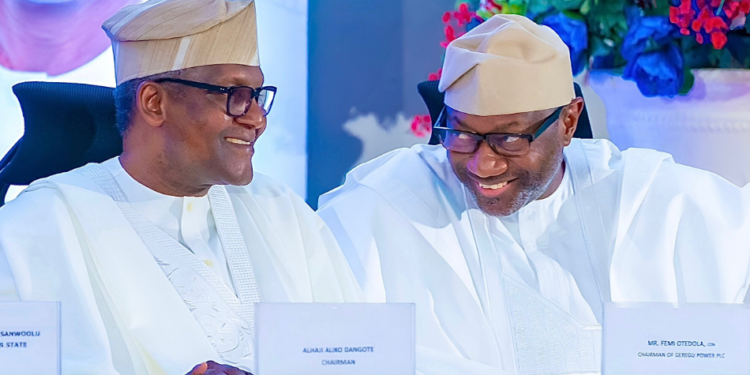
I want to start by congratulating my brother Aliko Dangote on the success of the Dangote Refinery. What he has achieved is not just a personal milestone but a historic step forward for Nigeria’s energy independence and our economic future. But while we celebrate him, it is also important to acknowledge President Bola Ahmed Tinubu for taking the bold decision to fully deregulate the downstream petroleum sector. No leader before him had the courage to take that step, and this single action has ended years of monopoly, subsidy abuse, and inefficiency in the sector.
For decades, Nigerians suffered because a few people held the system hostage. The downstream market was defined by rent-seeking, subsidy fraud, smuggling, and product diversion. Ordinary Nigerians paid the price with long fuel queues, inflated costs, and unreliable supply. But deregulation has changed the game. It has opened the door to transparency, competition, and customer-focused service.
Despite this progress, there are still people who prefer to hold on to the past. They resist change even when the world around them is already moving forward. I know this story very well because I was once a part of it. I founded DAPPMAN in 2002 to challenge the dominance of major marketers and to give independent depot owners a platform to survive. At that time, depot ownership was a smart move. We were filling gaps created by inefficiencies in supply. I structured the group, appointed George Enenmoh as chairman, and served as vice chairman myself, with Sayyu Dantata as secretary. We were pioneers and it made sense then.
But times have changed. Today, many of the original players are no longer active, and those who remain are holding on to assets that are fast becoming liabilities. I told some of them last year that their depots would soon be scrap and that they should sell while they still had value. Nigeria now has more than four million metric tons of storage capacity, most of it idle. With Dangote Refinery producing locally, the old depot model is collapsing.
When I built Zenon Oil, we pioneered the diesel business in Nigeria. We imported fuel, stored it in depots, and filled supply gaps. But that era is over. Dangote has eliminated those gaps. We now have efficient domestic production, reliable local supply, and infrastructure that reduces dependence on foreign imports. The refinery is not just producing fuel; it has improved the entire logistics system. Dangote has invested in 8,000 brand new eco-friendly trucks that will deliver products across the country with less pollution and fewer breakdowns. Compare that to the old, rusty trucks still in use by some operators and you will understand the scale of transformation.
I know this industry well. At the peak of my involvement in 2005, I was made life patron of the Petroleum Tanker Drivers Union. So when I say the game has changed, it comes from deep experience. DAPPMAN today is fighting for an outdated model built on fuel imports, subsidy gains, and infrastructure that no longer has relevance. The whole depot business was built on one thing: PFIs from NNPC. No depots meant no PFIs, and no PFIs meant no subsidy margins to exploit. That system is gone, and I see no reason why Dangote Refinery should be forced to subsidize DAPPMAN with trillions of naira only to pass the cost back to consumers.
I warned President Goodluck Jonathan years ago that the subsidy system was being abused. It was depot owners who benefited the most, with trillions siphoned through questionable claims tied to licenses. That system encouraged corruption and killed innovation. It rewarded shortcuts instead of efficiency. Now that the system is gone, the truth is clear: depots never created jobs as some people claim. A typical depot employs just a handful of staff, but a single petrol station can provide work for dozens of people, from attendants to cashiers to security guards. If DAPPMAN members really care about employment, they should focus on expanding filling stations rather than clinging to obsolete depots.
The global market offers lessons too. Depots in Amsterdam or Houston were built for export, especially to Africa. Now that Nigeria refines locally, that model no longer works. We saw the same thing in the cement industry. Once Nigeria began producing cement at home, the big foreign ships stopped coming, and many were sold as scrap. The same fate awaits fuel depots in this country.
If DAPPMAN does not adapt, it will become irrelevant and eventually go bankrupt. Instead of fighting progress, they should restructure, invest in new value chains, or even pool resources to buy the Port Harcourt Refinery if they believe they can compete. Around the world, even refinery operators are reducing their dependence on depots or converting them into new uses. Folawiyo Group showed foresight when it sold its depot and exited the scene early. That is what smart business looks like.
DAPPMAN had its relevance in the past, but today it is fading fast. We cannot keep holding on to old privileges and expect to survive. The future is self-sufficiency, transparency, and sustainable business models. Dangote Refinery is not the problem—it is the solution.
For me, this is not about rivalry. It is about progress. It is about building a Nigeria where our energy sector works for the people, not for a few insiders. It is about learning from the mistakes of the past and embracing a future that puts efficiency, fairness, and innovation first.
So to my brother Aliko Dangote, I say thank you for your courage and vision. You have proven that Nigeria can dream big and achieve big. Africans everywhere are proud of you. And yes, now you can go to Monaco and rest in peace of mind. You have earned it.



Responses