Doctors Decide on Strike Action Today


The Nigerian Association of Resident Doctors (NARD) is set to hold a crucial National Executive Council meeting today, September 10, 2025, to decide whether to embark on a nationwide strike. The meeting comes at the end of a 10-day ultimatum issued to the Federal Government and relevant agencies, demanding that a list of long-standing grievances be addressed.
This decision has raised widespread concern across the country because resident doctors form the backbone of Nigeria’s public healthcare system. They are the majority workforce in teaching and specialist hospitals, providing essential services to millions of patients every day. Any disruption in their work threatens to worsen the already fragile state of healthcare delivery, leaving vulnerable Nigerians with limited or no access to medical care.
Over the years, resident doctors have repeatedly gone on strike over issues that range from unpaid salaries to inadequate working conditions and poor welfare packages. Their demands often highlight deeper problems in the nation’s health sector, including underfunding, dilapidated infrastructure, and a brain drain that has seen thousands of doctors leave Nigeria for better opportunities abroad. Each time they down tools, the impact is immediately felt by patients who depend on government hospitals for affordable treatment.
The association’s communiqué, released on September 1 and signed by NARD President Dr. Tope Osundara, General Secretary Dr. Oluwasola Odunbaku, and Publicity Secretary Dr. Omoha Amobi, outlined their latest demands. Chief among these is the immediate payment of the 2025 Medical Residency Training Fund, a program designed to support the professional development of resident doctors. They also want the government to settle five months’ worth of arrears resulting from the 25 to 35 percent review of the Consolidated Medical Salary Structure. For many doctors, these payments are not just overdue allowances but critical to sustaining their livelihoods in an economy where inflation continues to erode incomes.
The association further demanded payment of outstanding 2024 accoutrement allowance arrears, which cover basic work tools and uniforms, as well as the prompt disbursement of specialist allowances. Another key issue is the recognition of the West African postgraduate membership certificates, which are required for career progression but have been denied to some deserving candidates. According to NARD, restoring this recognition is essential for fairness and to maintain standards in medical training.
In addition to these national demands, the doctors also highlighted unresolved welfare issues at the state level. They called on the government to address grievances raised by their colleagues at the Ladoke Akintola University of Technology Teaching Hospital in Ogbomoso and to intervene in the welfare problems affecting resident doctors in Kaduna State. These state-level disputes, while less visible nationally, contribute to the sense of frustration within the medical community.
Speaking on the eve of the NEC meeting, Dr. Osundara explained that the outcome would hinge on whether the government had taken meaningful steps toward resolving their demands. “We will review whether the government has made any progress,” he said. “If there is a positive response, that will guide our decision. But if not, the council will take a firm stance, which could include industrial action.”
NARD’s First Vice President, Dr. Tajudeen Abdulrauf, echoed this sentiment. He reminded Nigerians that the association had already given a three-week ultimatum in July before extending it in the spirit of dialogue. During that time, the leadership engaged stakeholders and gave the government more room to act. Yet, according to him, no concrete progress was made. “If our demands are still ignored, we cannot guarantee industrial harmony. A strike remains a real possibility,” he stated.
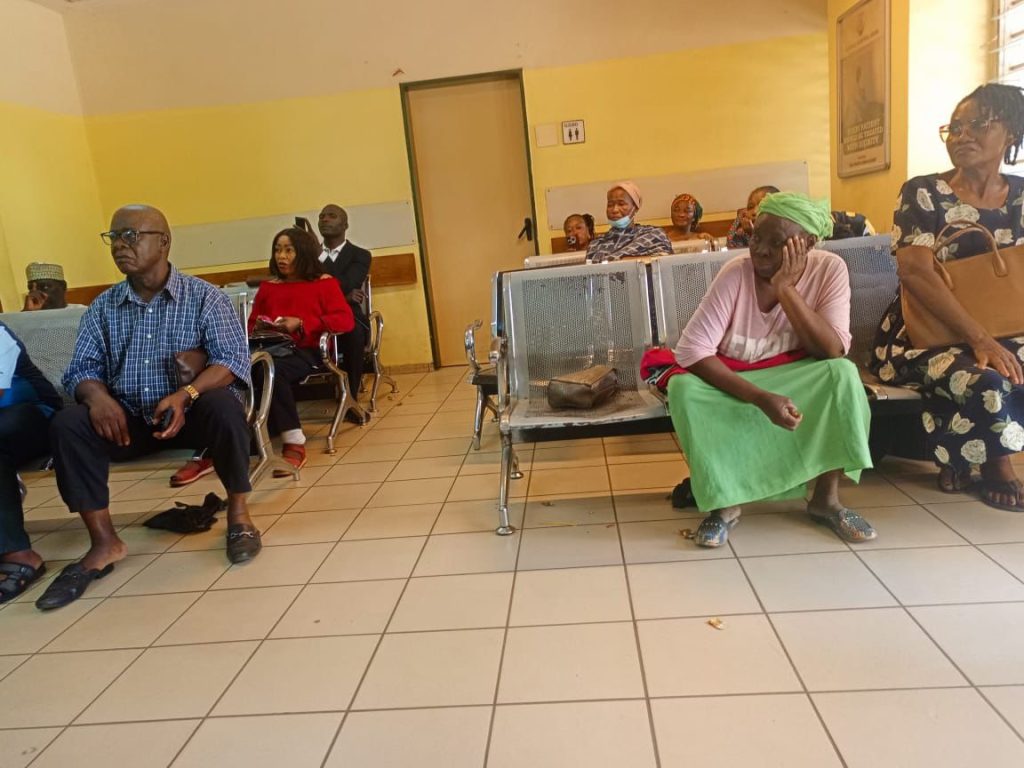
The potential strike has triggered anxiety among healthcare experts and patients alike. Nigeria’s public hospitals are already overstretched, with long waiting times, a shortage of drugs, and limited bed spaces. A nationwide shutdown by resident doctors would leave many patients with no option but to seek treatment in expensive private hospitals, which are beyond the reach of most citizens. Experts warn that this could worsen health outcomes, especially for those with chronic illnesses who require constant care. It could also increase mortality rates among patients who depend on emergency services in public facilities.
Beyond the immediate health implications, the doctors’ grievances also point to the long-term challenge of sustaining Nigeria’s healthcare workforce. The continued exodus of medical professionals to countries like the United Kingdom, Canada, and Saudi Arabia is partly fueled by frustrations over poor remuneration and working conditions at home. Many young doctors see strikes not as a solution but as a symptom of a system that fails to value its workers. If these systemic issues remain unresolved, the country risks losing even more of its trained personnel, deepening the crisis in years to come.
For now, all eyes are on the outcome of today’s NEC meeting. If the doctors proceed with a strike, it could paralyze healthcare delivery in public institutions, leaving the government scrambling to find temporary measures. If, however, the government is able to meet some of the demands or provide concrete timelines for resolution, there may still be room to avert the industrial action.
Nigerians are watching closely, not just because of the immediate consequences for healthcare, but also because the doctors’ battle is seen by many as symbolic of wider struggles in the public sector. Their demands for fairness, proper funding, and accountability echo the frustrations of other workers across education, security, and public service.
The next few days will be decisive. A strike could deepen Nigeria’s health crisis, but a genuine commitment from the government to address the doctors’ grievances could mark a turning point in labor relations within the health sector. For patients waiting anxiously in hospital wards and clinics, the hope is that dialogue will prevail over confrontation.




Responses