Oyo State Allocates N5.4 Billion for SAfER Phase II

In a move that underscores its commitment to economic resilience and citizen welfare, the Oyo State Government has announced a new phase of its economic relief strategy. The second phase of the Sustainable Actions for Economic Recovery (SAfER) initiative is now set to receive a robust allocation of N5.4 billion.
This investment, according to the state authorities, will be channeled toward strengthening critical sectors such as small and medium enterprises (SMEs), agriculture, healthcare, and transport infrastructure. With the state still navigating the effects of fuel subsidy removal, this second phase of SAfER is seen as a timely and strategic intervention aimed at cushioning the economic shocks experienced by residents.
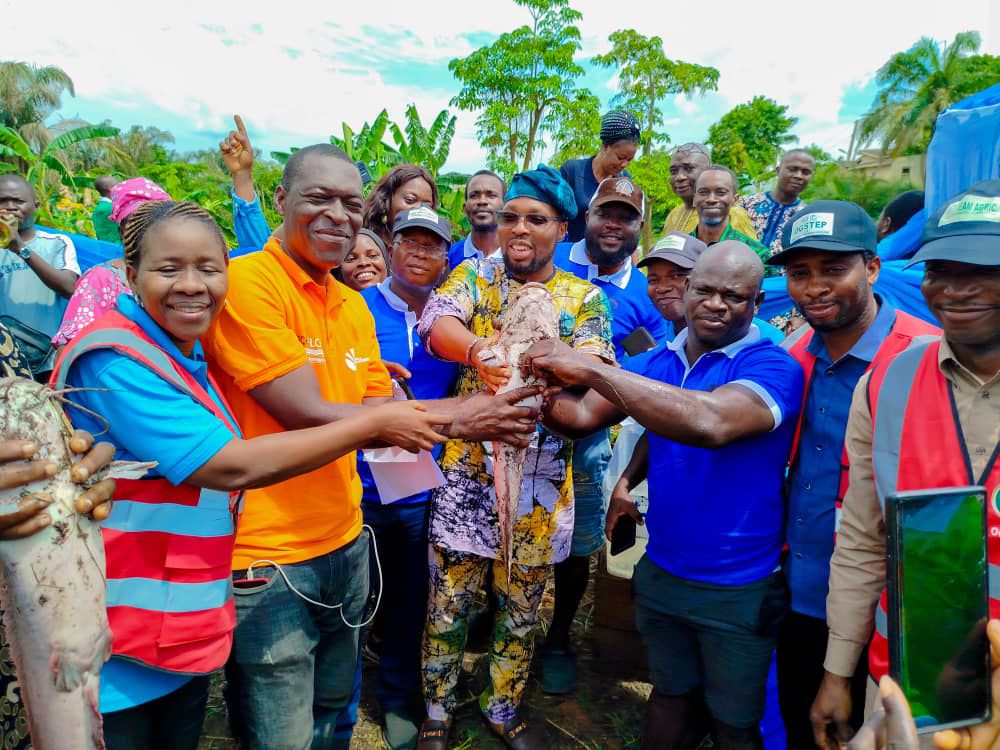
Speaking at the official presentation of the 2025 Mid-Term Revenue and Expenditure Performance Report, held in Ibadan, the State Commissioner for Budget and Economic Planning, Professor Musibau Babatunde, laid out the details of the financial commitment. He emphasized that the funds will directly support small business owners and farmers engaged in livestock, poultry, fishery, and crop cultivation across the state.
The commissioner noted that the initiative reflects the state’s broader plan to build a more resilient economy by empowering grassroots economic players and reinforcing essential services that residents rely on every day.
SAfER was first introduced in 2023 as an emergency response to the economic difficulties caused by the discontinuation of fuel subsidies. The program aimed to soften the blow of rising transportation costs, increased food prices, and general inflation that followed the subsidy removal.
According to Babatunde, the second phase of SAfER is designed to deepen the impact already felt during the initial rollout. With better planning and more resources, the government intends to reach more communities, create more economic opportunities, and improve the overall quality of life for the people of Oyo State.
Breaking down the planned use of funds, Babatunde explained that the majority of the resources will be directed toward supporting small businesses and agricultural producers. The goal is to provide targeted financial and logistical support to entrepreneurs and farmers, particularly those involved in producing livestock, fish, poultry, and staple crops.
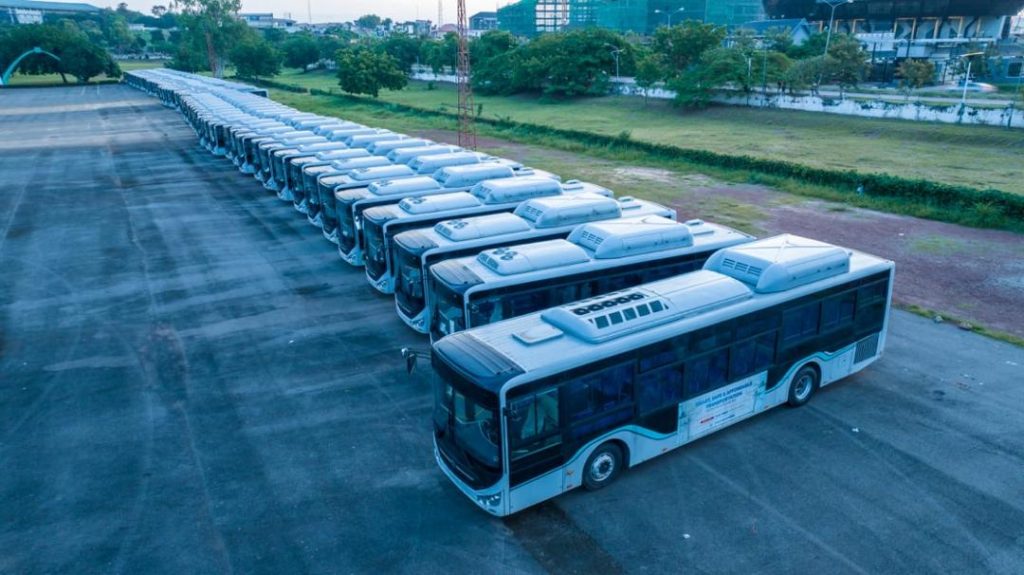
In addition, a significant portion of the funding will be invested in public transportation systems and healthcare infrastructure. These sectors are considered foundational to economic development, especially as the government seeks to ease the daily challenges faced by ordinary citizens.
The improvements in healthcare, for instance, will ensure that residents can access quality medical services without having to travel far or endure long wait times. Upgraded transportation networks, meanwhile, are expected to reduce travel time, cut down on logistics costs for businesses, and improve mobility for workers and students alike.
Beyond financial allocations, the state government is also taking deliberate steps to improve transparency and public participation in the budgeting process. Babatunde highlighted the importance of this during the budget performance report presentation.
He explained that the presentation is not just an internal government activity—it serves as a way to gather feedback, assess real-world performance, and engage with stakeholders, including civil society organizations. The idea is to create an open and inclusive budgeting process where citizens can not only contribute to the formulation of policies but also track their implementation and impact.
At the last stakeholders’ budget meeting held in 2024, civil society groups pushed for more regular updates on how budgets are being executed, not just during planning phases. The governor responded positively to this request, approving quarterly reviews of the budget performance. This step reflects his administration’s ongoing commitment to transparency, accountability, and citizen engagement.
As part of the mid-year report, the commissioner shared key statistics on how the 2025 budget has performed so far. For the first and second quarters combined, Oyo State has achieved about 80 percent of its revenue targets. This strong revenue performance has enabled the government to execute roughly 69 percent of its projected expenditures, a result Babatunde described as “encouraging.”
He further mentioned that some of the approvals made recently by the governor are yet to be captured in this current report and will be reflected in the third quarter’s data. Nonetheless, the government is confident in its financial direction and optimistic about sustaining this level of progress through the remainder of the fiscal year.
While the revenue growth is promising, Babatunde was quick to acknowledge that the state’s expenditure has also increased. He attributed this to several ongoing initiatives and economic realities. Among them are the new minimum wage policy, which has increased wage obligations to public servants, and the mass recruitment drive across the education and healthcare sectors.
Furthermore, rising inflation has pushed up the cost of goods, services, and construction projects, all of which place additional strain on the state’s budget. However, the commissioner stressed that these are necessary investments to meet the demands of a growing population and to fulfill the government’s promise of better living conditions for all residents.
Despite economic challenges, the state government remains confident that its policies are laying the foundation for long-term growth. The second phase of SAfER is expected to drive inclusive development, open up job opportunities, and provide relief for struggling households and businesses.
By focusing on sectors that have a direct impact on people’s daily lives—such as farming, small business operations, health, and transport—the government is sending a clear message that its priority is the welfare of the people.
As Oyo State continues to grow and adapt in a complex economic environment, programs like SAfER demonstrate the power of well-planned public policy. With consistent leadership, community engagement, and strategic investments, the state is positioning itself as a leader in sustainable development and economic recovery.




Responses