Experts Warn: National Grid Collapse May Persist Due to Systemic Challenges


The ongoing power outages and frequent collapses of Nigeria’s national electricity grid are unlikely to end soon, according to energy experts who point to systemic issues within the country’s power sector. The national grid has collapsed several times this year, leaving millions of Nigerians without power for extended periods. These recurrent grid failures are now raising alarm, with experts warning that without significant reforms, the situation may worsen in the coming months.
The most recent collapse occurred in late October 2024, following an earlier grid failure in the same month. The national grid, which serves as the backbone of Nigeria’s electricity distribution network, has become increasingly unstable, with multiple collapses over the past few years. Experts argue that this persistent problem reflects deep-rooted challenges in the country’s power infrastructure, which cannot be resolved quickly.
Why the Grid Collapses Keep Happening
Energy analysts attribute the frequent grid collapses to a combination of factors, chief among them being inadequate infrastructure, poor maintenance, and the failure to address the power sector’s historical underfunding. While Nigeria generates substantial amounts of electricity from its various sources, including gas, hydro, and renewables, much of the power is lost due to transmission and distribution inefficiencies.
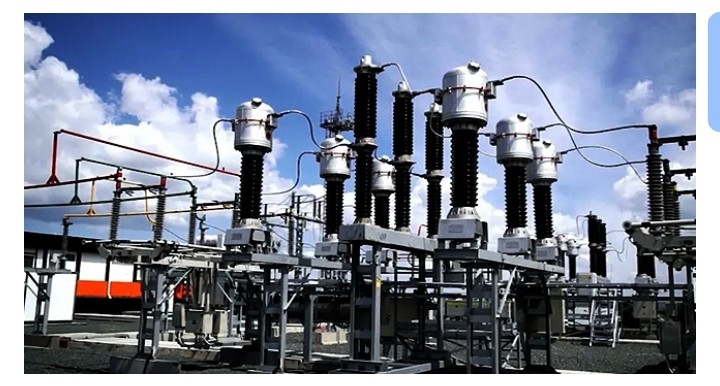
One of the critical issues facing the grid is the limited capacity of Nigeria’s transmission infrastructure, which has not been upgraded in many years. The Transmission Company of Nigeria (TCN), which manages the national grid, has faced chronic challenges in maintaining and expanding the grid to accommodate the growing demand for electricity. Experts point out that the country’s transmission capacity is constrained, leading to grid instability whenever there are sudden spikes in demand or technical failures.
Additionally, the issue of gas supply is another major contributor to the grid’s instability. Nigeria relies heavily on natural gas to generate electricity, but the country has struggled with disruptions in gas supply due to pipeline vandalism, theft, and operational inefficiencies in the oil and gas sector. These supply disruptions often result in the loss of a significant portion of the country’s power generation capacity, which in turn puts additional pressure on the grid.
Poor Funding and Lack of Investment
Another significant challenge is the chronic underfunding of the power sector. Despite various reforms aimed at privatizing the generation and distribution segments of the power industry, experts say there has been a lack of meaningful investment in the sector. The privatization process itself has been criticized for not adequately addressing the financing needs required to modernize the sector and expand generation and transmission capacity.
The federal government has been urged to prioritize infrastructure investment, not just in power generation but also in transmission and distribution networks. Experts assert that without substantial investment in grid modernization and expansion, the national grid will remain vulnerable to breakdowns. Furthermore, improving the financial health of key industry players, including the power generation companies (Gencos) and distribution companies (Discos), is crucial to ensuring that power can be efficiently generated and transmitted across the country.
The Impact on Nigerians and the Economy
The recurring grid collapses have had a devastating effect on ordinary Nigerians, many of whom face long hours of power outages, especially in the major cities. Businesses, particularly small and medium enterprises (SMEs), have been hit hard by the unpredictable power supply, which affects their ability to operate efficiently. The frequent outages also disrupt essential services such as healthcare, education, and transportation.
Nigeria’s electricity grid is crucial to economic development, and its continued failure undermines efforts to achieve consistent growth. Without a stable and reliable electricity supply, the country will struggle to meet its development goals and improve the quality of life for its citizens.
Long-Term Solutions: What Needs to Be Done
Experts agree that solving the national grid’s issues will require both short-term fixes and long-term investments. Immediate steps need to be taken to improve the maintenance of existing infrastructure, address gas supply challenges, and enhance the grid’s capacity to handle higher demand. However, the real solution lies in a long-term commitment to overhauling the entire power sector, including greater private sector involvement, improved regulatory oversight, and sustained investment in modernizing the grid.
The establishment of a stable power supply in Nigeria will require collaboration between the government, private investors, and other stakeholders in the energy sector. A clear and coherent national energy policy, alongside an urgent push to boost the transmission and distribution capacities, will be essential for bringing an end to the persistent grid failures.
Until these structural issues are addressed, experts predict that Nigeria will continue to experience unstable electricity supply and frequent power outages, hampering both everyday life and economic progress.



Responses