FG extends rice subsidy programme to states


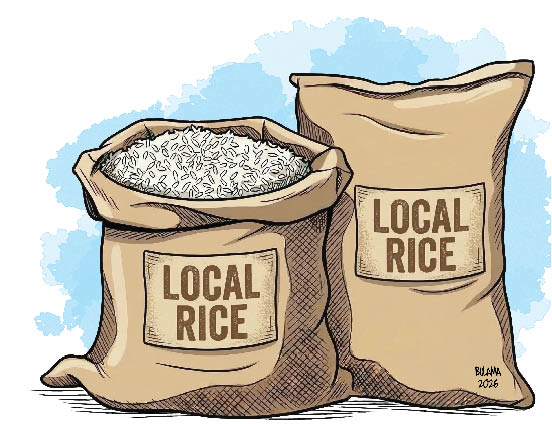
The Federal Government is set to enhance its subsidized rice initiative to combat food insecurity in Nigeria, with sales scheduled to commence in Lagos, Kano, and Borno states, according to a director from the Federal Ministry of Agriculture and Food Security on Monday.
Earlier in September, Agriculture Minister Abubakar Kyari announced the introduction of subsidized rice priced at N40,000 per 50kg bag in Abuja. This initiative is part of a larger strategy aimed at ensuring that no Nigerian goes to bed hungry. The minister noted that this program is designed to ease the financial burden on citizens, as the market price for a 50kg bag of rice currently hovers around N90,000, with some areas nearing N100,000.
The government is distributing 30,000 metric tonnes of rice through this subsidized program, which translates to roughly 1,000 trucks, each carrying 600 bags. An official from the agriculture ministry, who requested anonymity due to a lack of authorization to speak publicly, mentioned, “We are on the verge of activating sales in Lagos and Kano, and Borno State will also be addressed soon.”
In response to rumors about the suspension of rice sales in the Federal Capital Territory, the official clarified, “Sales are ongoing; there’s been no halt. We are actively working with various states to expand access.”
Another ministry representative noted that civil servants in Abuja, particularly those near federal ministries, have benefited from the subsidized rice sales. However, the official acknowledged issues with coordination and public compliance at the National Agricultural Insurance Corporation (NAIC) center, where the rice is sold. “We opened the NAIC center to facilitate public cooperation, but managing the crowd has been challenging,” they explained.
The source indicated that some individuals obstructed entry and disregarded sales protocols, complicating the distribution process. “There have been attempts to sabotage the initiative by individuals looking to purchase rice for resale, undermining the purpose of the subsidy,” they added.
Despite these challenges, the official expressed optimism about the program’s potential impact, stating, “Our focus is on ensuring that low-income earners, the primary beneficiaries, can access this crucial resource. The government is committed to a smooth rollout in the mentioned states, with sales set to activate soon.”
This expansion aligns with the government’s ongoing efforts to address food scarcity and support vulnerable populations, making essential staples more accessible and affordable for all Nigerians.
Food prices have surged recently, exacerbating hunger issues, particularly due to the naira’s depreciation, which has diminished purchasing power. The National Bureau of Statistics reported that the food inflation rate reached 37.52 percent year-on-year in August 2024, an increase from 29.34 percent in August 2023.Furthermore, the FMDQ Securities Exchange Limited noted on September 27, 2024, that the NAFEM closing rate was N1540.78/$, while some black market rates in Abuja exceeded N1700/$.
In a separate press conference in Abuja to commemorate Nigeria’s 64th Independence Day, Finance Minister Wale Edun emphasized the need to reduce heavy reliance on food imports, framing this shift as a cornerstone of the government’s economic recovery strategy. “We should not be importing food,” Edun stated, underscoring the importance of self-sufficiency for Nigeria’s future. He cautioned against disrupting local food production, urging that the market should not be inundated with imports.




Responses