FG Steps Up Border Checks as Ebola Spreads in DR Congo

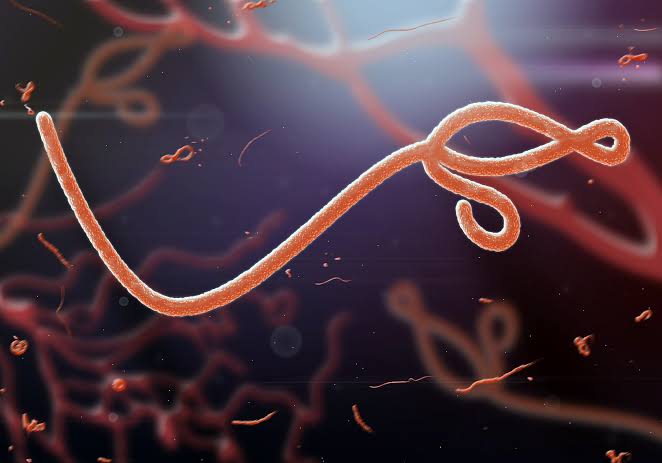
Nigeria is tightening its borders once again in response to a fresh outbreak of the Ebola Virus Disease in the Democratic Republic of Congo. The Federal Government announced that screening and monitoring at all points of entry, including airports, seaports, and land borders, have been intensified to prevent the deadly virus from finding its way into the country.
The Director of Port Health Services at the Federal Ministry of Health and Social Welfare, Dr. Akpan Nse, disclosed this in an interview on Friday. He explained that the government had deployed more staff to reinforce surveillance, particularly for travelers coming from the DRC, where health authorities have already confirmed dozens of cases.
According to the World Health Organisation, the outbreak in Kasai Province has so far recorded 28 suspected cases and 16 deaths, including four health workers. Samples tested earlier in September confirmed that the culprit was Ebola Zaire, one of the deadliest strains of the virus. This outbreak marks the 16th in the country since Ebola was first discovered in 1976.
For Nigeria, the memories of the 2014 Ebola scare are still fresh. Then, a single case imported from Liberia triggered a nationwide emergency before it was successfully contained. Dr. Nse said this experience has made authorities more alert. “We have intensified surveillance at all points of entry across the country. Every inbound traveler coming from Congo to Nigeria is thoroughly screened, and we collect their medical history through mandatory forms. Even passengers transiting through Congo must undergo screening,” he said.
He explained that all arrivals from affected regions are checked with thermal scanners, while their travel histories are reviewed carefully to spot potential risks. With support from the WHO, extra staff have been recruited to help manage the increased workload. “Increasing the workforce allows us to effectively prevent the importation of the virus and ensure thorough screening at all borders,” he said, adding that some private organizations had joined the effort by helping to maintain and service scanners at airports.
The WHO has also moved quickly to back the DRC. Its Director-General, Dr. Tedros Adhanom Ghebreyesus, announced on Friday that $500,000 had been released from the organization’s Contingency Fund for Emergencies. The money will go toward medical supplies, mobile laboratories, protective equipment, and rapid response operations in Kasai. WHO teams are already on the ground, helping with case tracing, testing, treatment, and community education. The agency has also confirmed that 2,000 doses of the Ebola vaccine, prepositioned in Kinshasa, are being deployed for health workers and identified contacts of infected individuals.
For Nigeria, the risk lies in its high level of international travel and trade links with Central Africa. Experts warn that even one missed case could spark a crisis. Associate Professor of Infectious Diseases and Genomics at Adeleke University, Oladipo Kolawole, urged vigilance. He acknowledged that Nigeria has the experience and infrastructure to handle Ebola but stressed the need for tighter coordination among government agencies. “Everybody coming into the country, especially from DR Congo, must declare where they are coming from at the point of entry. Our surveillance system must remain tight. The Nigeria Centre for Disease Control and Prevention, the Nigeria Institute for Medical Research, and other institutions have good structures in place, but they must be fully mobilized,” he said.
Other experts echoed his warning. Dr. Moses Adewumi, a virologist at the University College Hospital, Ibadan, emphasized early detection as the key to prevention. “We can’t stop people from traveling, but we need to ensure that surveillance is tightened. Suspected cases must not slip through undetected. Preparedness is crucial—our labs, our response teams, and our coordination systems must be ready,” he said.
From Lagos, the Head of the Infectious Diseases Unit at LUTH, Dr. Iorhen Akase, explained that Ebola only becomes contagious when patients show symptoms. Even so, he said government monitoring remains essential. “The government should monitor the borders closely. With all the scanners they have, I know this is already happening. The bigger role now is for communities to remain vigilant,” he said.
For communities, vigilance means reporting suspicious illness quickly. Dr. Akase stressed that individuals who develop symptoms should not hide at home but seek medical attention immediately. “If you have somebody in your community who is ill, let them go to the hospital. Anybody who is symptomatic must be checked. Community surveillance is as important as border control,” he said.
The outbreak in Kasai comes at a time when many parts of Central and West Africa are already under strain from overlapping crises such as cholera, malnutrition, and population displacement. The DRC itself has battled Ebola many times before, including a 2022 outbreak in Equateur Province that was contained within three months. But this time, the challenge may be greater because multiple health threats are colliding at once.
Nigeria’s swift response reflects lessons learned from the past. In 2014, quick action, contact tracing, and public awareness campaigns helped the country stamp out the virus before it could spread widely. Authorities are now leaning on that experience, hoping that preparedness and vigilance will once again protect the nation from one of the deadliest viruses known to man.
For ordinary Nigerians, the government’s message is clear: don’t panic, but stay alert. The border checks and screenings are only one part of the fight. Communities, health workers, and individuals all have a role to play in ensuring that Ebola does not cross into the country. As the situation in the DRC develops, Nigeria’s challenge will be to keep its guard up without disrupting normal life, balancing public health protection with the realities of a globally connected world.


Responses