

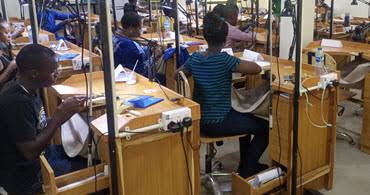
Jewellery is more than just an accessory. A simple bracelet can mark a friendship, a wedding ring can symbolize a lifelong commitment, and a customized necklace can become a treasured family keepsake. Behind every beautiful piece is someone with the creativity and skill to transform raw materials into something meaningful.
In Nigeria, jewellery making has evolved from a traditional craft into a thriving business opportunity. Handmade jewellery is becoming increasingly popular among fashion lovers, brides, corporate organizations and gift buyers. Social media has also made it easier for talented jewellery makers to showcase their work and reach customers across the country and even internationally.
The best part is that you do not need a university degree, expensive equipment or years of experience to get started. Many successful jewellery entrepreneurs began by learning basic techniques, practicing consistently and gradually building their businesses from home.
Whether you dream of designing elegant bridal jewellery, creating trendy fashion accessories or launching a luxury jewellery brand, there is room for you in this growing industry. Like any creative profession, success comes from learning the right skills, using quality materials and understanding what customers want.
If you have been searching for how to become a jewellery maker in Nigeria, this guide will walk you through everything you need to know. You’ll learn about jewellery making training in Nigeria, apprenticeship opportunities, essential tools, startup costs, marketing strategies, business planning and practical steps for turning your creativity into a profitable venture.
By the end of this guide, you’ll have a clear roadmap for starting your journey, avoiding common beginner mistakes and building a jewellery business that can grow over time.
Table of Contents
- What Does a Jewellery Maker Do?
- Is Jewellery Making a Good Career in Nigeria?
- Step 1: Decide Which Type of Jewellery You Want to Make
- Step 2: Enrol in a Jewellery Making Training Programme
- Step 3: Consider Learning Through an Apprenticeship
- Step 4: Find a Good Jewellery School
- Step 5: Buy Basic Jewellery Making Tools
- Step 6: Practise Every Day
- Step 7: Build Your Portfolio
- Step 8: Turn Your Skill Into a Business
- How Much Does It Cost to Start a Jewellery Business?
- Create a Simple Jewellery Business Plan
- Jewellery Business Ideas
- How to Sell Jewellery Online
- Don’t Ignore Jewellery Packaging
- Jewellery Marketing Tips
- Common Mistakes Beginners Make
- Frequently Asked Questions
- Final Thoughts
What Does a Jewellery Maker Do?
A jewellery maker is someone who designs, creates, repairs or customises different types of jewellery using various materials such as beads, gemstones, wire, gold, silver, brass and other metals.
Depending on their area of specialisation, a jewellery maker may produce simple handmade accessories or create high-end luxury pieces for weddings, engagements and special occasions.
Some jewellery makers focus on creating original designs from scratch, while others repair damaged jewellery, resize rings or modify existing pieces to suit a customer’s preference.
Common responsibilities include:
- Designing necklaces, bracelets, earrings and rings
- Creating customised jewellery for clients
- Making bridal jewellery sets
- Bead stringing and pattern creation
- Wire wrapping and jewellery assembly
- Stone setting
- Polishing and finishing jewellery
- Repairing broken jewellery
- Measuring and resizing rings
- Packaging finished products for customers
Many jewellery makers also handle the business side of their work by sourcing materials, pricing products, marketing their brand and managing customer relationships.
As you gain experience, you may decide to specialise in a particular niche rather than offering every type of jewellery. Specialisation often helps build a stronger brand and attract the right customers.
Is Jewellery Making a Good Career in Nigeria?
Yes. Jewellery making can be a rewarding career for people who enjoy creativity, working with their hands and building a business. While success doesn’t happen overnight, the industry offers many opportunities for skilled artisans who produce quality work and market themselves effectively.
One reason jewellery making continues to grow is the increasing demand for unique, handmade accessories. Many customers now prefer personalised designs instead of mass-produced jewellery because they want something that reflects their personality or celebrates a special occasion.
Nigeria’s fashion industry also contributes to this demand. Fashion designers, makeup artists, photographers and event planners often collaborate with jewellery makers to complete bridal looks, fashion campaigns and cultural events.
Social media platforms such as Instagram, TikTok and Facebook have further changed the industry. Instead of relying solely on a physical shop, jewellery makers can display their products online, connect with customers and receive orders from different parts of the country.
Corporate organisations also create opportunities through branded gifts, employee recognition awards and promotional merchandise that often include customised jewellery or accessories.
Benefits of Choosing Jewellery Making as a Career
- You can start on a small budget and expand gradually.
- No university degree is required to begin.
- You can learn through physical classes, online courses or apprenticeship.
- The business can be operated from home.
- There are opportunities to earn from custom orders.
- Handmade products often attract repeat customers.
- Social media makes marketing easier than ever.
- The skill can provide full-time or part-time income.
Challenges You Should Expect
Like every business, jewellery making also comes with challenges.
Competition is increasing, especially in the fashion jewellery market. Customers also expect high-quality finishing, timely delivery and excellent customer service.
Material prices can fluctuate, particularly if you work with imported beads, gemstones or precious metals. Building a loyal customer base also takes time and consistent effort.
However, these challenges can be managed through continuous learning, quality workmanship and effective branding.
For many Nigerians, jewellery making has become more than just a hobby. It has grown into a sustainable business capable of generating steady income while allowing creative freedom.
Step 1: Decide Which Type of Jewellery You Want to Make
Before enrolling in a jewellery making training programme in Nigeria, it’s important to decide which area of jewellery interests you the most.
Trying to learn everything at once can feel overwhelming. Starting with one niche allows you to develop your skills faster, understand your target market and build a stronger portfolio.
Below are some of the most common jewellery categories.
Beaded Jewellery
This is one of the easiest areas for beginners to start with. Beaded jewellery involves creating bracelets, necklaces, earrings, waist beads and other accessories using beads, strings and simple hand tools.
It requires relatively low startup costs and offers plenty of room for creativity.
Fashion Jewellery
Fashion jewellery focuses on stylish accessories made from materials such as alloy metals, acrylic, resin, wire, crystals and synthetic stones.
These products are popular because they are affordable, trendy and suitable for everyday wear.
Bridal Jewellery
Bridal jewellery includes necklaces, earrings, tiaras, hair accessories and complete jewellery sets designed for weddings and traditional ceremonies.
This niche often commands higher prices because customers expect elegant, customised pieces.
Gold Jewellery
Gold jewellery involves working with precious metals to create rings, necklaces, bracelets and other luxury items.
Because it requires specialised equipment and technical skills, many people learn this area through formal jewellery design training or apprenticeship.
Silver Jewellery
Silver jewellery is another premium niche that involves designing durable and elegant accessories for everyday wear or special occasions.
Handmade Wire Jewellery
Wire jewellery combines artistic design with practical craftsmanship.
Jewellery makers use copper, aluminium, stainless steel or silver wire to create rings, pendants, bracelets and decorative accessories without extensive casting equipment.
Luxury Jewellery
Luxury jewellery targets high-income customers looking for exclusive designs, precious stones and premium craftsmanship.
This niche usually requires advanced training, quality branding and excellent customer service.
Which Niche Should Beginners Choose?
If you’re completely new to jewellery making, beaded jewellery or handmade wire jewellery are usually the best starting points.
These niches require fewer tools, lower investment and shorter learning periods. As your confidence grows, you can expand into bridal, silver or gold jewellery.
Remember, choosing a niche doesn’t mean you’ll stay there forever. Many successful jewellery entrepreneurs start with simple handmade accessories before expanding into luxury collections and custom designs.
Step 2: Enrol in a Jewellery Making Training Programme
Learning from experienced professionals is one of the fastest ways to become a skilled jewellery maker. While it is possible to teach yourself through YouTube videos and online tutorials, a structured jewellery making training programme in Nigeria provides a more organised learning experience.
A good training programme helps you understand not only how to make jewellery but also why certain techniques work better than others. You’ll receive guidance, correct mistakes early and gain confidence through practical sessions.
Depending on your budget, schedule and career goals, you can choose from several learning options.
Physical Jewellery Training Centres
Many jewellery makers begin by attending practical classes at training centres or workshops. Physical training allows you to work directly with tools and materials while receiving immediate feedback from instructors.
This option is ideal if you learn better through hands-on demonstrations.
Advantages include:
- Practical learning every day
- Access to professional tools and equipment
- Direct supervision by experienced trainers
- Opportunities to network with other learners
- Better understanding of safety procedures
The main drawback is that you must attend classes at scheduled times, which may not suit people with full-time jobs or busy academic schedules.
Private Jewellery Academies
Private academies usually offer more structured jewellery design training than informal workshops. Some programmes also provide certificates after successful completion.
Many academies divide their courses into beginner, intermediate and advanced levels, allowing students to progress gradually.
When comparing academies, don’t focus only on the certificate. Instead, look at the quality of practical training, the experience of the instructors and the work produced by previous students.
Vocational and Skills Acquisition Centres
Several vocational centres across Nigeria include jewellery making as part of their skills acquisition programmes. These centres often provide affordable training for young people, women and aspiring entrepreneurs.
If you are looking for a low-cost option, vocational centres are worth considering.
Online Jewellery Making Courses
Online learning has made jewellery education more accessible than ever. Many experienced jewellery makers now teach through video lessons, live classes and downloadable tutorials.
Online courses can help you learn:
- Basic jewellery design
- Bead making techniques
- Wire wrapping
- Jewellery finishing
- Packaging
- Pricing
- Business management
However, online learning requires discipline. Since no instructor is physically present, you must practise consistently and complete projects on your own.
What Should a Good Jewellery Making Course Teach?
Before paying for any jewellery making course, check whether it covers practical skills such as:
- Jewellery design principles
- Colour combinations
- Bead selection
- Wire techniques
- Measuring and sizing
- Tool handling
- Jewellery finishing
- Product photography
- Pricing
- Customer service
- Branding
- Business management
A programme that teaches both technical and business skills will prepare you better than one that focuses only on making jewellery.
Step 3: Consider Learning Through a Jewellery Apprenticeship
Many successful jewellery makers in Nigeria did not begin in a classroom. They learned through apprenticeship.
A jewellery apprenticeship allows you to work directly under an experienced jeweller while learning the trade over several months or years.
Instead of learning only from books or videos, you gain practical experience by observing real customer orders, solving everyday problems and using professional equipment.
This traditional learning method remains one of the most effective ways to master jewellery making.
‘
How Does an Apprenticeship Work?
Although every workshop operates differently, apprentices usually begin by learning simple tasks before moving on to more advanced techniques.
During your apprenticeship, you may learn how to:
- Organise jewellery materials
- Identify different types of beads and stones
- Measure customers correctly
- Assemble jewellery pieces
- Polish finished products
- Repair damaged jewellery
- Handle customer orders
- Price products
- Source materials
As your skills improve, your trainer may allow you to work on customer projects under supervision.
Advantages of Learning Through Apprenticeship
Many people choose apprenticeship because it offers practical experience that is difficult to replicate in a classroom.
Some of the benefits include:
- Daily hands-on practice
- Exposure to real customers
- Opportunity to learn business management
- Mentorship from experienced professionals
- Understanding of supplier networks
- Improved confidence
- Potential employment opportunities after training
Apprentices also learn valuable soft skills such as communication, patience and customer service.
Possible Challenges
Like every learning method, apprenticeship has a few limitations.
Some workshops focus more on production than teaching, meaning apprentices may spend long periods performing repetitive tasks.
The quality of training also depends heavily on the mentor. Choosing the wrong trainer can slow your progress.
Before committing to any apprenticeship, try to speak with former apprentices or review the jeweller’s previous work.
How Long Does Jewellery Apprenticeship Take?
There is no fixed duration.
Some beginners become confident within a few months, while others spend one to three years learning advanced jewellery production.
The learning period depends on factors such as:
- Type of jewellery
- Frequency of practice
- Complexity of techniques
- Personal commitment
- Quality of mentorship
The goal should not be to finish quickly but to develop skills that customers will trust.
Step 4: Find a Good Jewellery School
If you prefer structured learning, choosing the right jewellery making school in Nigeria is one of the most important decisions you’ll make.
Not every school offers the same quality of training. Some focus mainly on theory, while others provide extensive workshop sessions where students spend most of their time creating jewellery.
Rather than selecting a school because of attractive advertisements, evaluate its ability to help you become a competent jewellery maker.
What Should You Look For?
Practical Training
Jewellery making is a practical skill.
A good school should provide enough workshop time for students to practise repeatedly instead of spending most lessons in the classroom.
The more jewellery you make during training, the more confident you’ll become.
Experienced Trainers
Your instructors should have real experience creating jewellery for customers.
Professional jewellers often teach techniques that are difficult to learn from textbooks or online videos.
Modern Equipment
Good training centres invest in quality tools and equipment.
Learning with proper equipment helps you prepare for professional work after graduation.
Small Class Size
Smaller classes usually provide more opportunities for personalised guidance.
Instructors can observe your work closely and correct mistakes immediately.
Business Training
The best jewellery schools teach more than craftsmanship.
They should also introduce students to:
- Pricing
- Branding
- Marketing
- Customer service
- Business registration
- Record keeping
These skills are essential if you plan to start your own jewellery business.
Certification
Some schools issue certificates after training.
While certificates can strengthen your CV, remember that customers care more about the quality of your work than the certificate itself.
A strong portfolio is usually more valuable than several certificates without practical experience.
Questions to Ask Before Paying for Training
Before enrolling, ask questions such as:
- What exactly will I learn?
- How practical is the programme?
- Who are the trainers?
- Are tools provided during training?
- Will I complete real projects?
- Is there business training?
- Is mentorship available after graduation?
- Will I receive ongoing support?
Asking these questions can help you avoid spending money on programmes that do not meet your expectations.
Step 5: Buy Basic Jewellery Making Tools
After choosing your training path, the next step is building your starter toolkit.
You do not need the most expensive equipment immediately. Many beginners make the mistake of buying professional tools they rarely use.
Start with basic equipment and upgrade gradually as your skills and customer base grow.
Essential Jewellery Making Tools
Round-Nose Pliers
These are used for bending wire and creating loops.
Almost every beginner uses them regularly.
Flat-Nose Pliers
Useful for gripping wire and holding small jewellery components securely.
Wire Cutters
These allow you to cut jewellery wire neatly without damaging it.
Jewellery Files
Files smooth rough edges after cutting metal or wire.
They improve the finishing quality of your work.
Measuring Tape or Ruler
Accurate measurements ensure bracelets, necklaces and waist beads fit customers properly.
Beads
Different colours, shapes and sizes give you flexibility when creating unique designs.
Jewellery Wire
Wire is available in several materials including copper, aluminium and stainless steel.
Each serves different purposes depending on the design.
Clasps and Hooks
These components allow customers to wear and remove jewellery comfortably.
Jump Rings
Small but essential connectors used in bracelets, necklaces and earrings.
Polishing Cloth
A polishing cloth helps remove fingerprints and gives finished jewellery a professional appearance.
Storage Containers
Keeping beads and small components organised saves time and reduces material waste.
How Much Do Jewellery Making Tools Cost?
The jewellery startup cost varies depending on the type of jewellery you intend to produce.
Beginners making fashion or beaded jewellery generally spend less than those specialising in gold or silver jewellery, which requires specialised equipment.
Instead of buying everything at once, consider purchasing:
- Essential hand tools first
- Basic materials
- Storage containers
- Packaging supplies
As your business grows, you can invest in advanced tools and equipment.
Step 6: Practise Every Day
No training programme, apprenticeship or jewellery school can replace consistent practice.
Jewellery making is a skill that improves with repetition.
Your first necklace may not look perfect.
Your first bracelet may have uneven spacing.
Your first wire design may appear untidy.
That is completely normal.
Every experienced jeweller has made mistakes during the learning process.
The difference is that they continued practising until those mistakes became lessons.
Set aside time each day to create something, even if it is only one bracelet or one pair of earrings.
Over time you will notice improvements in:
- Speed
- Accuracy
- Creativity
- Finishing
- Confidence
- Product quality
Challenge yourself by experimenting with different colours, materials and designs instead of repeating the same patterns.
You can also recreate professional designs not to copy them for sale, but to understand the techniques behind them. As your confidence grows, begin creating original pieces that reflect your own style.
Remember, customers are attracted not just by beautiful jewellery but by consistency. The more you practise, the more consistent your work becomes.
Don’t Ignore Jewellery Packaging
Many beginners focus all their attention on making beautiful jewellery but overlook how the finished product is presented. In reality, packaging is part of the customer experience. Attractive packaging makes your jewellery look more valuable and leaves a lasting impression.
Imagine two businesses selling similar bracelets at the same price. One hands the bracelet to the customer in a plain nylon bag, while the other presents it in a branded jewellery box with a thank-you card. Most customers will remember the second business and are more likely to recommend it to others.
Good jewellery packaging also protects your products during delivery and helps strengthen your brand.
Essential Packaging Materials
As your business grows, consider investing in:
- Jewellery boxes
- Velvet pouches
- Organza bags
- Branded paper bags
- Thank-you cards
- Business cards
- Brand stickers
- Care instruction cards
You don’t have to buy expensive packaging from the beginning. Start with neat, affordable options and upgrade as your business expands.
Why Packaging Matters
Good packaging can help you:
- Create a professional image
- Increase perceived value
- Encourage repeat purchases
- Improve customer satisfaction
- Make social media unboxing videos more appealing
- Protect jewellery during transportation
Many successful jewellery brands receive free publicity because customers enjoy sharing beautifully packaged orders online.
Jewellery Marketing Tips
Learning to make jewellery is important, but learning how to market it is what turns your skill into a profitable business.
Many talented jewellery makers struggle because they rely only on family and friends for sales. A consistent marketing strategy helps you reach new customers and build a sustainable business.
Create Valuable Content
Instead of posting only product photos, educate and entertain your audience.
Examples include:
- Behind-the-scenes videos
- Jewellery care tips
- Styling inspiration
- Customer testimonials
- Time-lapse videos of your production process
- New collection launches
Content helps people connect with your brand before they become customers.
Use Instagram Reels and TikTok
Short videos perform well because they allow people to watch your creative process.
You can record:
- Making a bracelet from start to finish
- Packaging customer orders
- Before-and-after jewellery repairs
- New product launches
- Customer reactions
Authentic videos often perform better than overly polished advertisements.
Encourage Customer Reviews
Satisfied customers are one of your best marketing tools.
After completing an order, politely ask customers to:
- Leave a review
- Share photos wearing your jewellery
- Tag your business on social media
Positive reviews build trust and influence future buyers.
Build a Referral Network
Word-of-mouth marketing remains powerful in Nigeria.
Offer small incentives to customers who refer new buyers, such as discounts on future purchases or free gifts with their next order.
Collaborate With Other Businesses
Partnerships can help your brand grow faster.
Consider working with:
- Fashion designers
- Makeup artists
- Photographers
- Bridal stylists
- Event planners
- Clothing boutiques
These collaborations expose your jewellery to new audiences.
Register a Google Business Profile
If you have a physical workshop or showroom, creating a Google Business Profile can help local customers find you through Google Search and Google Maps.
Include:
- Business address
- Phone number
- Working hours
- Product photos
- Customer reviews
Consider Paid Advertising
As your budget grows, you can experiment with:
- Facebook Ads
- Instagram Ads
- TikTok Ads
Start with small budgets, monitor the results and focus on campaigns that generate enquiries or sales.
Common Mistakes Beginners Make
Every jewellery maker makes mistakes while learning. The important thing is to recognise them early and improve.
Here are some of the most common mistakes to avoid.
Buying Expensive Tools Too Early
Many beginners spend heavily on professional equipment before mastering the basics.
Start with essential tools and upgrade gradually as your skills improve.
Ignoring Product Quality
Customers notice poor finishing, weak clasps and untidy designs.
Focus on producing fewer high-quality pieces rather than many average ones.
Copying Other People’s Designs
It is perfectly acceptable to learn techniques from experienced jewellers, but avoid copying someone’s signature designs and presenting them as your own.
Developing your own style will help your brand stand out.
Poor Pricing
Some beginners charge too little because they fear losing customers.
Others set unrealistic prices without considering the market.
Calculate your costs carefully and include a reasonable profit margin.
Neglecting Branding
A memorable brand includes more than a logo.
Consistency in colours, packaging, photography and customer experience helps people recognise your business.
Poor Customer Service
Late replies, missed delivery dates and rude communication can damage your reputation quickly.
Treat every customer professionally, regardless of the size of their order.
Depending Only on Friends and Family
While friends and relatives may support your business initially, long-term growth requires reaching new customers.
Invest time in marketing beyond your immediate circle.
Giving Up Too Quickly
Every successful jewellery business started with small steps.
Don’t become discouraged if sales are slow during your first few months.
Continue learning, improving and promoting your work consistently.
Frequently Asked Questions
1. Do I need a university degree to become a jewellery maker in Nigeria?
No. Jewellery making is a practical skill that can be learned through training programmes, vocational centres, online courses or apprenticeship.
2. How long does it take to learn jewellery making?
This depends on the type of jewellery and the training method. Many beginners learn the basics within a few months, while mastering advanced techniques can take much longer.
3. Can I learn jewellery making online?
Yes. Many experienced jewellery makers now offer online classes and video tutorials. However, regular practice is essential to develop practical skills.
4. Is jewellery making profitable in Nigeria?
It can be profitable if you produce quality products, understand your target market and market your business consistently.
5. Can I start a jewellery business from home?
Yes. Many successful jewellery entrepreneurs began from home before opening workshops or showrooms.
6. What type of jewellery is easiest for beginners?
Beaded jewellery and handmade wire jewellery are usually the easiest starting points because they require fewer tools and lower startup costs.
7. How much does it cost to start a jewellery business?
Startup costs vary depending on your niche, tools, training and materials. Many beginners start small and expand gradually as their businesses grow.
8. Which tools do I need first?
Basic tools include:
- Round-nose pliers
- Flat-nose pliers
- Wire cutters
- Measuring tape
- Jewellery wire
- Beads
- Clasps
- Polishing cloth
9. Should I register my jewellery business?
Registering your business can improve credibility and make it easier to work with larger organisations, apply for grants or open a business account.
10. Where can I buy jewellery-making materials in Nigeria?
You can purchase materials from local craft markets, jewellery supply stores and reputable online vendors. Compare prices and quality before buying in bulk.
11. How do I get my first customers?
Start by showing your work to friends and family, then promote your products consistently on social media, attend local exhibitions and encourage satisfied customers to refer others.
12. Which social media platform is best for selling jewellery?
Instagram and TikTok are excellent for showcasing visual products, while WhatsApp Business and Facebook are useful for communicating with customers and managing orders.
13. Do I need expensive equipment to start?
No. Most beginners can start with affordable hand tools and basic materials before investing in advanced equipment.
14. Can I specialise in more than one type of jewellery?
Yes. Many jewellers begin with one niche and later expand into bridal jewellery, luxury jewellery or repair services as their skills improve.
15. What should I do after learning jewellery making?
Continue practising, build a strong portfolio, create a professional brand, market your products consistently and keep improving your skills through advanced training and industry networking.
Conclusion
Becoming a jewellery maker is not about creating perfect designs from your very first attempt. Like every creative profession, it requires patience, curiosity and a commitment to improving your skills over time.
Whether you want to make elegant bridal jewellery, fashionable handmade accessories or premium custom pieces, success begins with learning the fundamentals and practising consistently. As your confidence grows, focus on building a strong portfolio, delivering quality products and providing excellent customer service.
Remember that customers don’t only buy jewellery—they buy craftsmanship, creativity and trust. Every satisfied customer can become a source of referrals, repeat business and long-term growth.
If you’re serious about building a successful jewellery business in Nigeria, start with one niche, invest in continuous learning and avoid the temptation to compare your progress with others. Every experienced jeweller started as a beginner.
For more practical career guides, entrepreneurship tips and free skills acquisition opportunities, bookmark Zoeeb and check back regularly for new updates.
???? Stay Empowered with ZOEEB
Join our community for daily updates on jobs, skills, and financial growth opportunities.