How Unchecked Dietary Supplements Are Fueling a Health Crisis in Nigeria

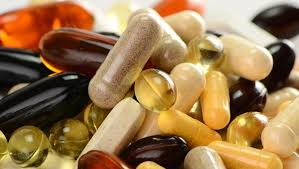
In the pursuit of flawless skin, stronger immunity, and youthful vitality, a growing number of Nigerians are turning to dietary supplements. Often taken without medical supervision and bought online or from unregulated sources, these so-called “wellness boosters” are silently contributing to a national health crisis marked by organ failure, birth defects, and even death.
Adibeli never imagined that a bottle of pregnancy supplements—gifted by her sister from the UK—could become a death sentence for her unborn child. Tucked among baby clothes and lotion, the pills were “highly recommended” multivitamins. Trusting the source, Adibeli took them daily—unaware they contained dangerously high levels of Vitamin A.
Her baby, Chidubem, was born with a congenital heart defect and died three weeks later. Follow-up investigations suggested that excessive Vitamin A intake during pregnancy could have contributed to the deformity. “All I wanted was to give my child the best start in life,” Adibeli tearfully recounted. The tragedy could have been avoided with proper medical guidance.
Across Nigeria, supplement use is becoming normalized—especially among the elderly, beauty-conscious youths, and wellness enthusiasts. Mrs. Bimpe Adetola, 63, proudly referred to her morning pill cocktail as “sanitation.” Her daughter, Lara, repeatedly warned her about the growing lineup of capsules on her shelf: “Immune Booster,” “Joint Support,” “Liver Cleanse,” and more.
But Lara’s warnings went unheeded—until the emergency call came: her mother’s organs were shutting down. Doctors found toxic levels of magnesium and Vitamin A, leading to full-blown organ failure. Though Mrs. Adetola survived after a harrowing ICU stay and dialysis, her daughter was blunt: “The very thing she thought was keeping her strong nearly killed her.”
On Instagram and TikTok, “natural” beauty supplements are going viral. Influencers flaunt perfect skin and hourglass figures, crediting vitamins like glutathione, Vitamin C, or “curvy root” formulas for their transformations. For many, these supplements are seen as safe alternatives to surgery. But the truth is often darker.
Nancy Nwobodo, a 33-year-old banker, swore by her skin-brightening supplements until she suffered kidney failure. Even after a transplant—donated by her younger sister—she resumed her supplement use, believing they aided recovery. It wasn’t until doctors discovered the damage caused by long-term Vitamin C and glutathione use that she finally stopped. “It was destroying me slowly,” she admitted.
Godwin Blessing, 24, took “hip-boost” and “breast-enlargement” pills after seeing them repeatedly on TikTok. The result? Painful breast cysts caused by high levels of phytoestrogens. “No one talks about side effects,” she said. “You just see the before-and-after pictures and think, that could be me.”
Experts warn that without professional oversight, supplements can do far more harm than good. Dr. Charles Nwako, Fellow of the West African Postgraduate College of Pharmacists, says excessive Vitamin A in pregnant women can cause birth defects. Children, the elderly, and those with liver or kidney issues are at even greater risk.
“Supplements are useful only when prescribed by a medical professional,” he emphasized. “Taking them randomly can lead to toxicity, drug interactions, and long-term organ damage.”
Clinical nutritionist and digital health advocate, Odukoya Fiyinfoluwa (“YourDietBoy”), agreed. “Nigerians are taking supplements like candy. But unless you have a diagnosed deficiency, you probably don’t need them,” he said, urging lab testing before starting any supplement and time-bound usage under expert supervision.
A study by the Drug-Induced Liver Injury Network (DILIN) in the U.S. found turmeric supplements caused liver failure in multiple cases. While turmeric in food is safe, its concentrated form in supplements carries serious risks. Nigerian health officials say similar risks may exist for many popular herbal and synthetic supplements now flooding the local market.
According to NAFDAC Director-General, Prof. Mojisola Adeyeye, dietary supplements are not classified as “ethical drugs” in Nigeria, meaning they can’t be strictly regulated like prescription medicine. While the agency warns of excess intake and fake products (like the falsified “Wonder Calcium” supplement), enforcement remains a challenge—especially online.
“Supplements seem harmless, but they’re not always safe,” she warned.
Supplements are now sold in supermarkets, gyms, and across social media—often by vendors with no medical training. One Instagram vendor promoting a skin-lightening product dismissed safety concerns: “It works, that’s what matters.” That mindset is dangerous, experts say.
Popular TikTok hashtags such as #liquidBBL, #herbalSuccess, #bblEffect, and #howToGrowGlutes have tens of thousands of posts and millions of views. These viral trends mislead young users into believing supplements are quick, risk-free solutions.
Dr. Martins Emeje of the Nigerian Natural Medicine Development Agency (NNMDA) argues that the obsession with body enhancement is a “sociological issue,” rooted in poor family values and a lack of self-worth. He called for guidance counseling in schools and more education about health and body image.
Similarly, Dr. Adedokun Stephen, president of the Association of Resident Doctors at LAUTECH, cautioned against unsupervised use of fat burners, protein powders, and even popular vitamins like biotin and Vitamin C. These can cause hormonal imbalances, kidney failure, and more, especially when misused.
A Call to Action: Awareness, Education & Regulation
Experts urge Nigerians to:
-
Get tested before taking any supplement.
-
Consult professionals—not Instagram vendors or gym attendants.
-
Avoid self-medication and resist peer pressure.
-
Prioritize food as the safest source of nutrients.
-
Report unregulated products to NAFDAC and demand accountability.
Until regulation catches up, the responsibility lies with individuals, families, and communities. The obsession with wellness and beauty shouldn’t come at the cost of life and health.


Responses