ICPC to Arraign El-Rufai Over Alleged Fraud, Money Laundering Charges

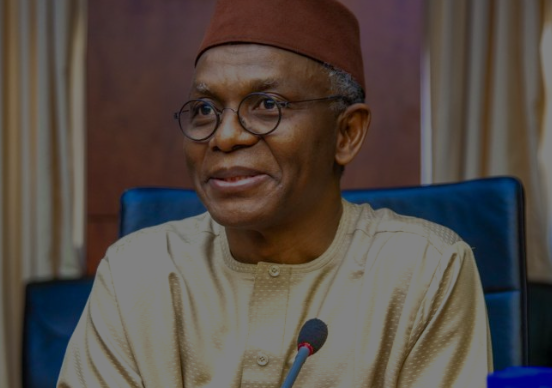
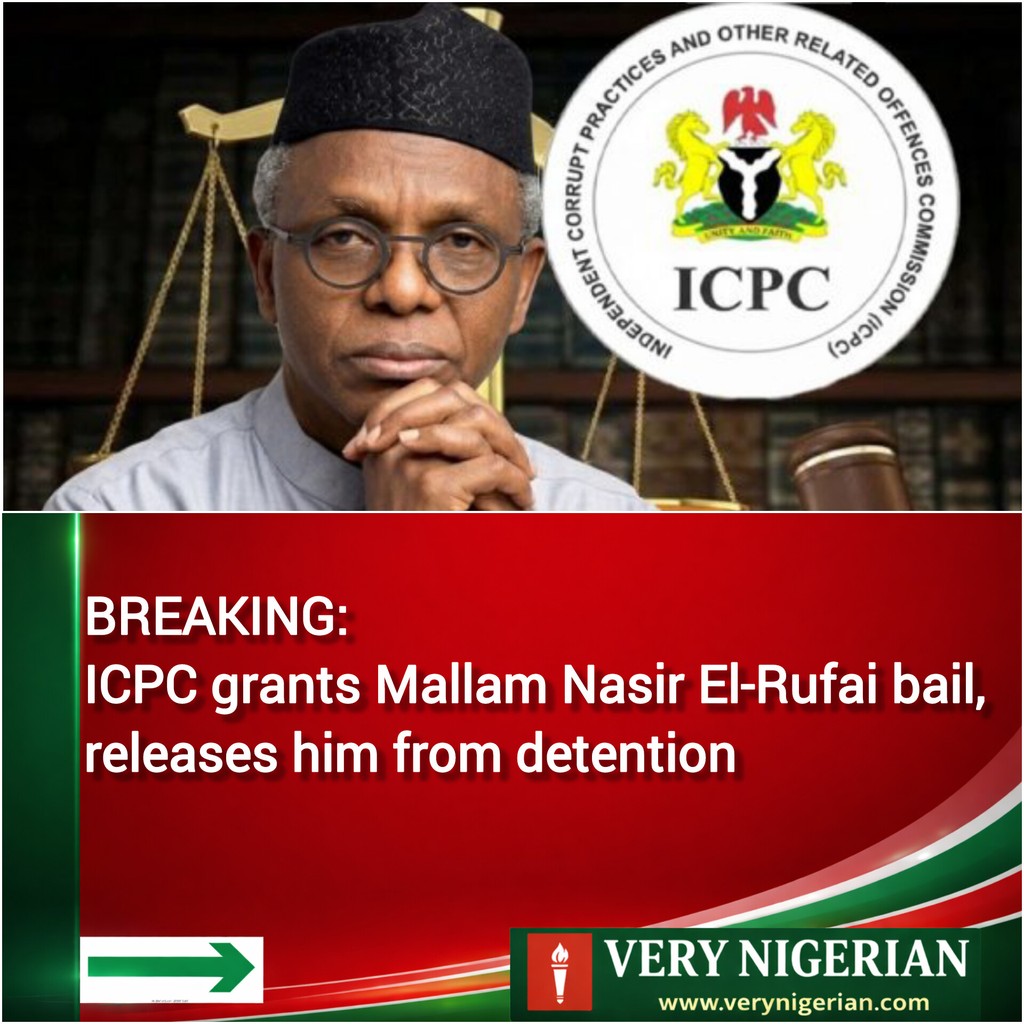
Former Kaduna State governor Nasir El-Rufai is set to be formally arraigned in court following a series of allegations brought against him by the Independent Corrupt Practices and Other Related Offences Commission (ICPC). The charges, which span multiple jurisdictions, mark a significant development in the ongoing investigation into the activities of the former governor.
According to official statements, El-Rufai has spent over a month in ICPC custody after his arrest on February 18. His detention followed an earlier period of scrutiny by the Economic and Financial Crimes Commission (EFCC), which had initially investigated him before transferring the matter. Shortly after his arrest, the ICPC secured a court order from a magistrate in Bwari permitting his detention for two weeks to facilitate investigations. This order was later extended, allowing the commission additional time to build its case.
The anti-corruption agency has now filed formal charges at both the Federal High Court in Kaduna and a Kaduna State High Court. At the Federal High Court, El-Rufai is expected to be arraigned alongside an associate, Joel Adoga, under a case that includes allegations such as possession and conversion of public property, as well as money laundering. In a separate case before the state high court, he will face charges alongside another individual, Amadu Sule, with accusations ranging from abuse of office and fraud to conferring undue advantage.
The ICPC’s spokesperson, John Odey, confirmed that the charges were officially filed on March 18, 2026, and that the defendant has been duly served. He emphasized the commission’s commitment to due process and adherence to the rule of law, assuring the public that all legal procedures are being followed.
Part of the evidence being assembled by investigators includes data retrieved from electronic devices seized during a search of El-Rufai’s residence in Abuja. This operation was carried out under a court-approved warrant, and the devices recovered reportedly include mobile phones, laptops, storage drives, and other digital equipment. A Federal High Court in Abuja, presided over by Justice Joyce Abdulmalik, granted the ICPC permission to conduct forensic analysis on the devices.
The scope of the forensic examination is extensive, covering communications such as WhatsApp messages, text messages, call logs, images, and other digital records. Investigators believe these materials may provide crucial insights into the allegations under review and help establish links between the accused and the alleged offences.
In addition to the ICPC case, El-Rufai is also facing separate legal challenges involving the Department of State Services (DSS). The agency has reportedly accused him of illegally intercepting communications linked to National Security Adviser Nuhu Ribadu. However, proceedings in that matter have been delayed due to the ongoing ICPC investigation.
Despite the weight of the allegations, El-Rufai has consistently denied any wrongdoing. He maintains that the charges are politically motivated, suggesting that they may be linked to broader power struggles within Nigeria’s political landscape. His supporters echo similar sentiments, arguing that the timing and nature of the charges raise questions about selective prosecution and political interference.
The case has sparked widespread debate across the country, with opinions sharply divided. While some Nigerians view the arraignment as a necessary step in holding public officials accountable, others see it as part of a recurring pattern in which anti-corruption agencies are perceived to target political figures selectively.
As the legal proceedings commence, attention will be focused on the courts in Kaduna, where the outcome could have far-reaching implications for both El-Rufai’s political future and Nigeria’s broader anti-corruption efforts. Regardless of the eventual verdict, the case underscores the ongoing tension between accountability, politics, and the rule of law in the country.



Responses