Iran Declares Conditional Access to Strait of Hormuz Amid Rising Global Tensions

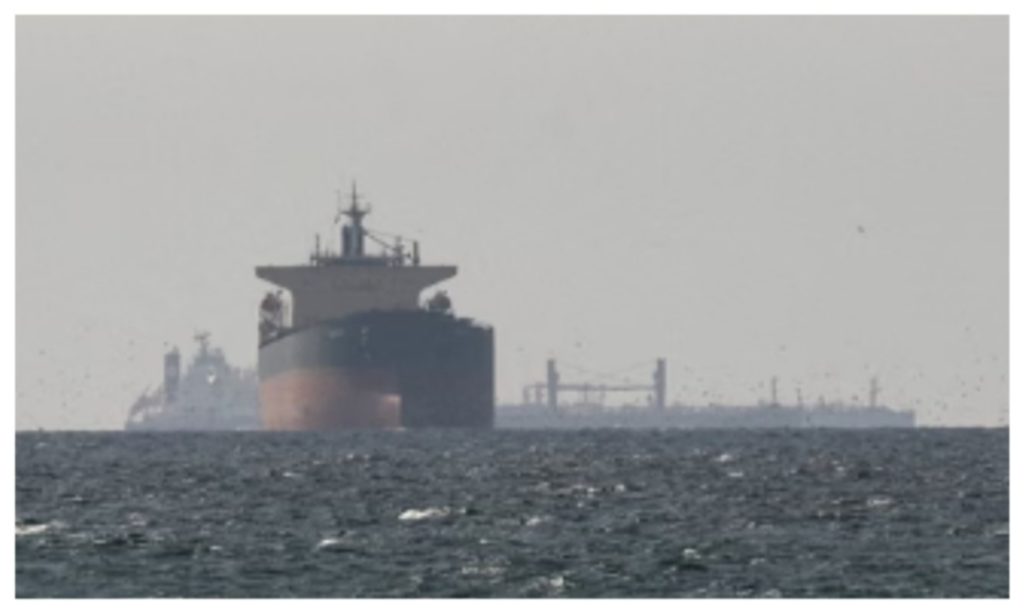
Tensions around the Strait of Hormuz have once again drawn global attention after Iran declared that the critical shipping route remains open—but not for vessels linked to its “enemy” nations. This development comes amid rising geopolitical friction involving United States and Israel, both of whom Iran accuses of escalating tensions in the region.
The Strait of Hormuz is one of the most important chokepoints in global trade, particularly for oil and gas. Roughly one-fifth of the world’s petroleum passes through this narrow corridor daily. Any disruption—even partial—can trigger immediate shocks in global energy markets, driving up fuel prices and increasing economic uncertainty worldwide. This explains why Iran’s statement, though seemingly moderate, carries significant implications.
Iran’s position is somewhat strategic. By saying the strait is “open,” it avoids full international backlash or justification for military escalation. However, by restricting access to ships linked to its adversaries, it maintains leverage and sends a strong political message. This kind of conditional openness creates ambiguity: technically, the route is not blocked, but in practice, certain vessels may still face risks or restrictions.
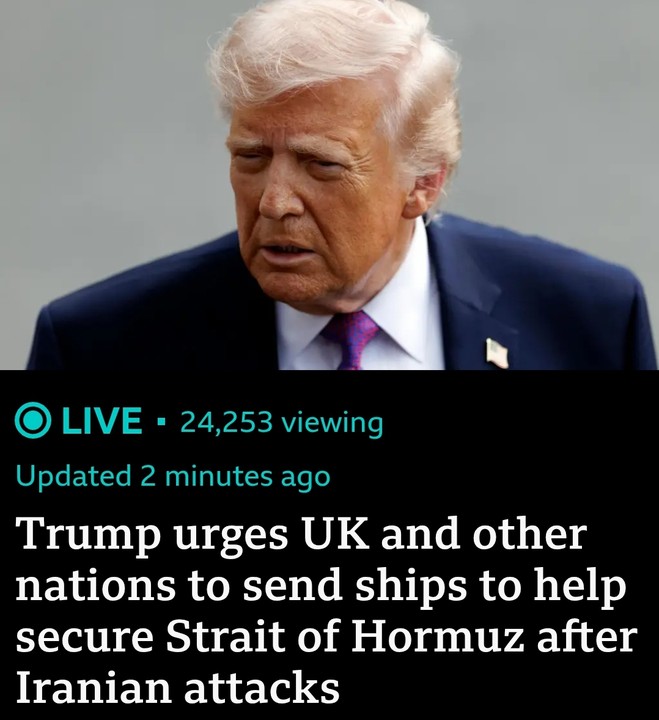
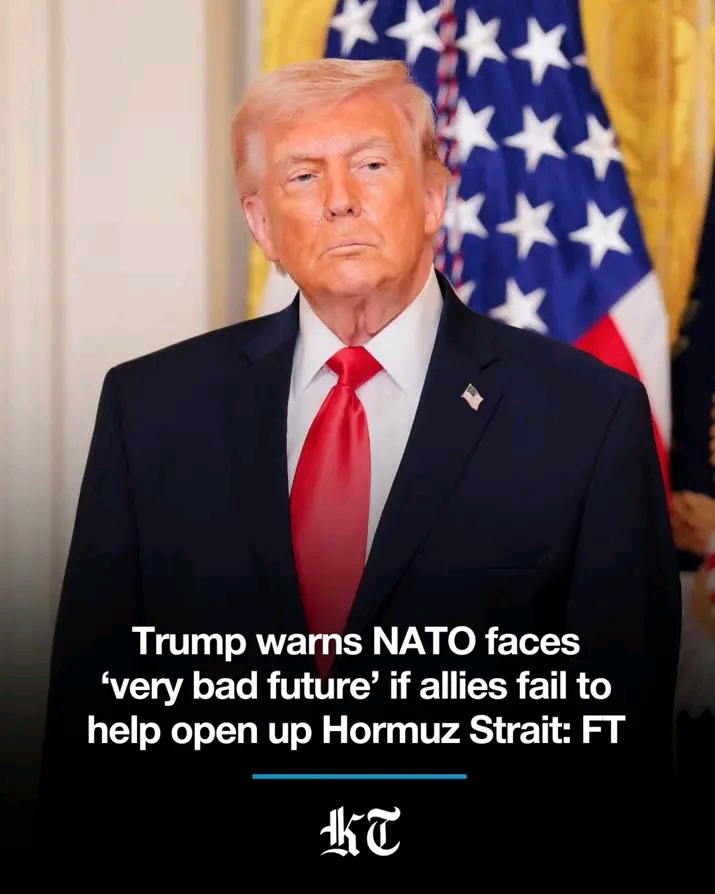
The timing of this announcement is also important. Reports indicate that Donald Trump issued a strong warning that Iran must ensure the waterway is fully accessible or face potential military consequences. While some observers interpret Iran’s statement as a response to that pressure, others argue that Tehran has consistently maintained this position—allowing friendly or neutral shipping while limiting adversarial access.
In reality, both interpretations may hold some truth. Iran is likely trying to balance between avoiding a direct military confrontation and preserving its strategic influence in the region. Closing the strait entirely would provoke a severe international response, possibly even military intervention. On the other hand, appearing too compliant could be seen domestically and regionally as weakness.
Another layer to this situation is the ongoing conflict dynamics in the Middle East. Iran has repeatedly linked the situation in the strait to what it calls “aggression” from the U.S. and Israel. This framing allows Tehran to justify its actions as defensive rather than provocative, even as tensions continue to rise.
For global markets, the uncertainty is the real issue. Even without a full blockade, the mere risk of disruption can cause insurance premiums for shipping to spike and force companies to reroute vessels—both of which increase costs. Countries heavily dependent on imported energy, including many in Asia and Europe, are particularly vulnerable.
In summary, the Strait of Hormuz is not fully “open” in the traditional sense—it is selectively accessible. Iran’s stance reflects a calculated middle ground: avoid outright war, maintain strategic pressure, and keep the world guessing. Whether this fragile balance holds will depend largely on how the U.S., its allies, and global shipping operators respond in the coming days.



Responses