Trump Warns NATO of ‘Very Bad’ Consequences If Allies Fail to Help Secure Strait of Hormuz

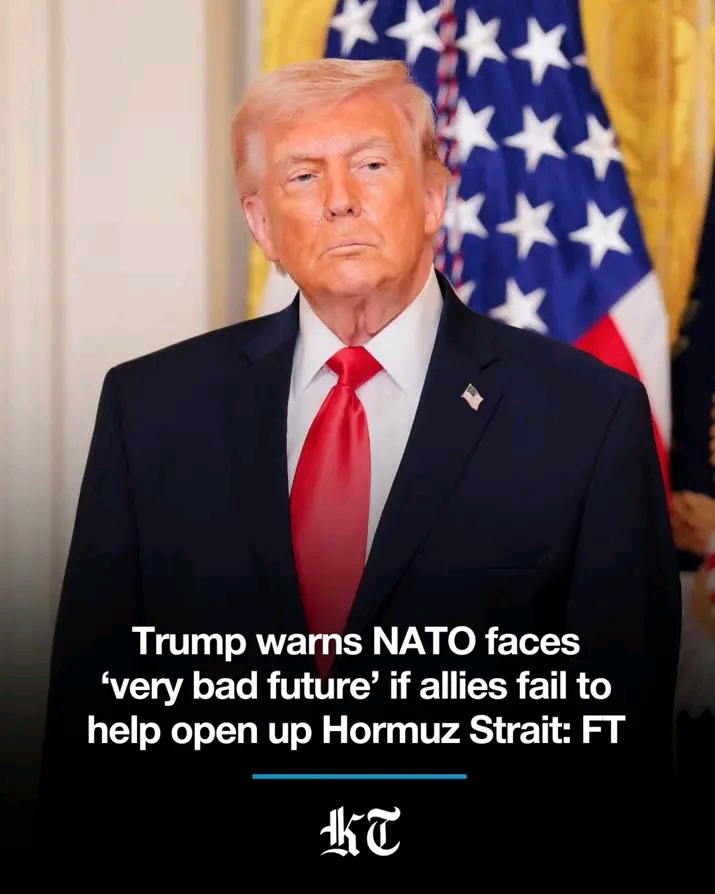
United States President Donald Trump has warned that the future of the Western military alliance could become “very bad” if members of NATO fail to assist in efforts to secure and reopen the strategically important Strait of Hormuz.
Trump made the remarks during an interview with the Financial Times published on Sunday, where he stressed that countries benefiting from trade through the narrow waterway should share responsibility for ensuring its safety and stability.
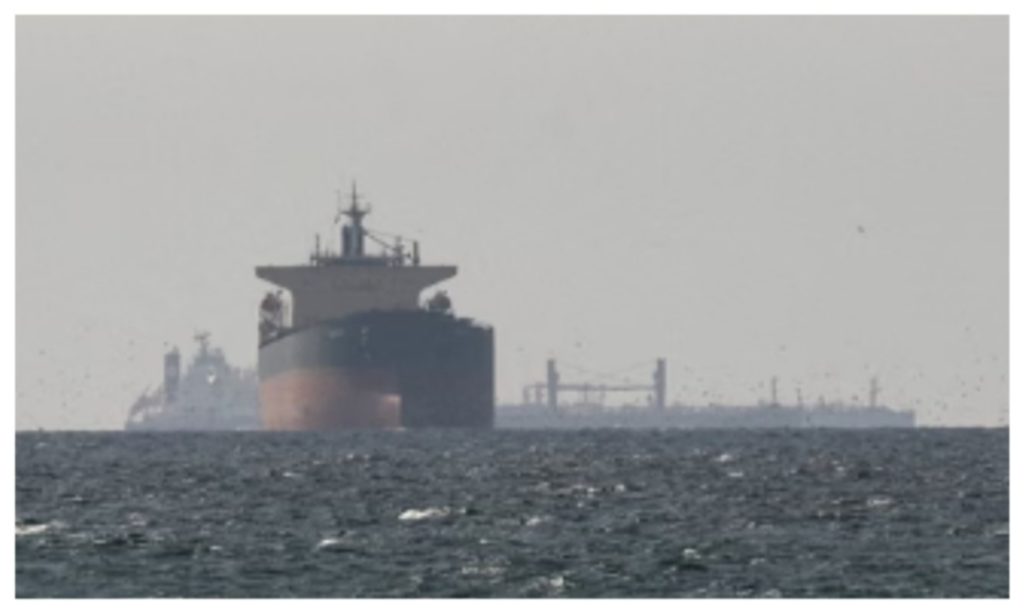
The Strait of Hormuz, located between the Persian Gulf and the Gulf of Oman, is widely regarded as one of the most important maritime routes in the world. A large percentage of global oil shipments passes through the strait each day, making it a critical chokepoint for international energy supplies and global trade.
In the interview, Trump argued that it would be unfair for the United States alone to shoulder the burden of keeping the waterway open, especially when many other nations rely heavily on it for energy imports and exports.
“It’s only appropriate that people who are the beneficiaries of the Strait will help to make sure that nothing bad happens there,” the U.S. president said.
The comments come amid rising geopolitical tensions in the Middle East, particularly involving Iran and Western powers. Any disruption in the Strait of Hormuz could have serious consequences for global energy markets, as roughly a fifth of the world’s oil supply is transported through the passage.
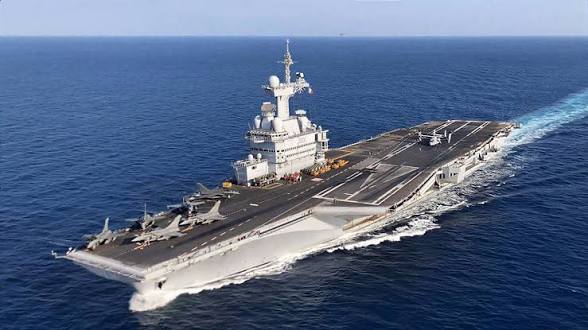
Trump’s remarks appeared to signal his administration’s desire for greater international cooperation in maintaining maritime security in the region. He indicated that countries benefiting from safe passage through the strait should contribute resources, including naval support, to prevent potential blockades or threats.
The U.S. president also hinted that diplomatic engagements with major global powers could be influenced by the situation. He suggested that he might postpone an upcoming summit with Xi Jinping, the president of China, if Beijing does not assist in efforts aimed at stabilizing the strategic waterway.
China is one of the largest importers of oil transported through the Strait of Hormuz, making it heavily dependent on the route for energy security. Analysts believe Washington may be trying to pressure Beijing into playing a more active role in ensuring maritime stability.
Trump’s statement also reflects ongoing debates about the role of NATO in addressing security challenges outside Europe. Although the alliance was originally formed to counter threats in the North Atlantic region, its members have increasingly been involved in global security operations.
Some analysts say the U.S. position is aimed at pushing allies to contribute more resources to collective security missions. In recent years, Washington has repeatedly urged NATO members to increase both military spending and operational commitments.
The Strait of Hormuz has long been considered a potential flashpoint in international relations. In the past, tensions between Iran and Western countries have led to incidents involving oil tankers, naval patrols, and threats to close the waterway.
Any closure or serious disruption of the strait would likely cause significant spikes in global oil prices and could trigger wider economic consequences around the world.
While the United States maintains a strong naval presence in the region, Trump’s latest comments suggest that his administration believes protecting the vital shipping route should be a shared responsibility among nations that benefit from its continued operation.
As tensions remain high in the Middle East, the issue of securing the Strait of Hormuz is expected to remain a key topic in international diplomacy and military cooperation in the coming months.

Responses