Naira Strengthens to N1,497/$ as FX Inflows and Reserves Rise


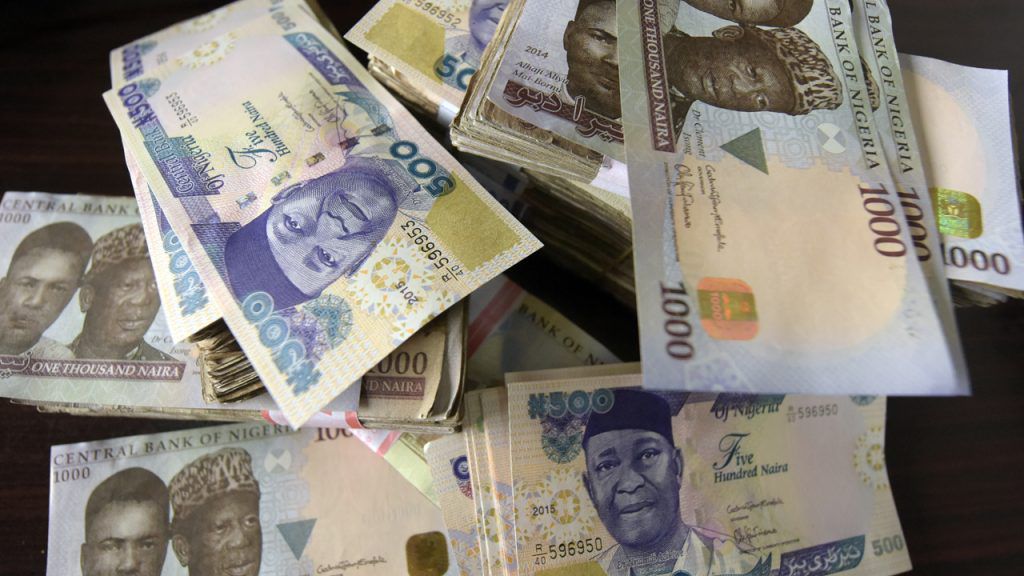
The Nigerian naira made a strong comeback on Monday, regaining ground against the United States dollar and closing below the N1,500 mark for the first time in more than six months. According to official figures from the Central Bank of Nigeria, the currency closed trading at N1,497.46 per dollar, compared with its previous close of N1,501.49, representing a gain of 0.27 per cent.
This marks the first time since the end of February and early March 2025 that the naira has managed to break through the N1,500 threshold in the official market. The development has sparked renewed optimism that efforts to stabilize the domestic currency may finally be yielding results. For much of last week, the naira had hovered around the N1,500 level, consistently testing the threshold but failing to break below it. Monday’s performance therefore came as a positive signal to investors and market watchers alike.
Encouragingly, the upward movement in the official market was also reflected in the parallel market, where the naira strengthened by 0.33 per cent to settle at N1,535 per dollar. Data from CardinalStone Research showed that the parallel market has been largely stable in recent days, a sign that pressures in the unofficial window are easing. Week-on-week figures indicated that the naira gained nearly one per cent in the official window to close at N1,501.50, while the parallel market firmed slightly by 0.33 per cent.
Analysts have attributed the recovery of the naira to several factors, chief among them the steady inflow of foreign exchange into the Nigerian economy. The Coronation Weekly Update revealed that foreign exchange inflows reached $550.90 million last week. Though slightly lower than the $567.20 million recorded in the previous week, the volume of inflows has been strong enough to sustain market liquidity and boost investor confidence.
A breakdown of the inflows shows that foreign portfolio investments accounted for the lion’s share at $303.8 million, representing 55.15 per cent of the total. Exporters contributed 17.61 per cent, non-bank corporates added 17.57 per cent, other corporates made up 4.32 per cent, foreign direct investments contributed 3.39 per cent, while inflows from the Central Bank of Nigeria accounted for 2.36 per cent. Individuals also made modest contributions, at about 0.60 per cent.
Analysts point out that these numbers confirm that foreign portfolio inflows are currently the main driver of dollar supply in the market. While this is helping to stabilize the exchange rate in the short term, experts caution that reliance on such short-term inflows can be risky if external conditions change or if investors pull back.
AIICO Capital noted that dollar liquidity last week was largely underpinned by inflows from foreign portfolio investors, oil exporters, and offshore sources. According to the firm, this combination helped to maintain a generally offered market tone, where there were more dollars available than demanded. The company believes that the foreign exchange market is expected to remain stable in the near term, supported by the Central Bank’s policy adjustments and fiscal efforts to maintain liquidity.
Similarly, Cowry Asset Management Limited credited the naira’s performance to steady inflows, stronger reserves, and active interventions by the Central Bank. However, the firm warned that renewed speculative activity could still trigger volatility. It stated that while the naira is likely to maintain its current trend of appreciation, any significant surge in demand or sudden slowdown in portfolio inflows could put pressure on the currency.
The report by Coronation Research further observed that the official exchange rate ended last week at a premium of N35.50 or 2.23 per cent over the parallel market rate. This suggests that the gap between both markets is narrowing, a positive sign for currency stability. Analysts highlighted that such convergence between the two markets helps reduce arbitrage opportunities, enhances transparency, and signals improved market confidence.
Adding to the positive outlook is the growth in Nigeria’s external reserves. Data showed that gross external reserves rose to $41.69 billion as of Friday, reflecting consistent daily accretions throughout last week. Strong reserves are vital to stabilizing the currency as they provide the Central Bank with the firepower to intervene when necessary and reassure investors about the country’s ability to meet its foreign obligations.
For now, the combination of stronger reserves, steady inflows, and policy adjustments has returned the naira below the N1,500 level, an achievement that boosts sentiment among both local and international investors. Yet, analysts caution that sustaining this momentum will require more than short-term interventions. The real test lies in implementing structural reforms that diversify Nigeria’s foreign exchange sources beyond oil and portfolio flows.
Experts argue that while foreign portfolio investments provide quick inflows, they are highly volatile and can be withdrawn at short notice depending on global conditions. In contrast, foreign direct investments and export earnings from a diversified economy offer more sustainable foreign exchange supply. Without such long-term measures, the naira could remain vulnerable to external shocks and speculative attacks.
As the year progresses, there are concerns that foreign exchange demand could rise ahead of the festive season, a period that typically sees increased spending and importation. Should demand surge without a matching increase in inflows, the currency may once again come under pressure. This is why experts emphasize the importance of not relying solely on temporary gains but working towards deeper reforms that ensure Nigeria builds a more resilient and self-sufficient economy.
For now, Nigerians can take comfort in the naira’s return to levels not seen since early March. Businesses and households struggling with high import costs will view this as a welcome relief, even if the effects take some time to filter through to consumer prices. Investors, too, are likely to interpret the development as evidence that the Central Bank’s policies are beginning to pay off, at least in the short term.
The weeks ahead will be critical in determining whether this recovery marks the beginning of a sustained trend or just a temporary reprieve. Much will depend on the country’s ability to keep attracting foreign inflows, maintain strong reserves, and prevent speculative forces from regaining control.
At the moment, the naira’s move below N1,500 against the dollar signals a significant milestone. It represents not only an improvement in market confidence but also a reminder that with the right mix of policies, reforms, and discipline, Nigeria’s currency can regain some of the strength it has lost in recent years.



Responses