National Assembly shames itself over Bobrisky


National Assembly shames itself over Bobrisky
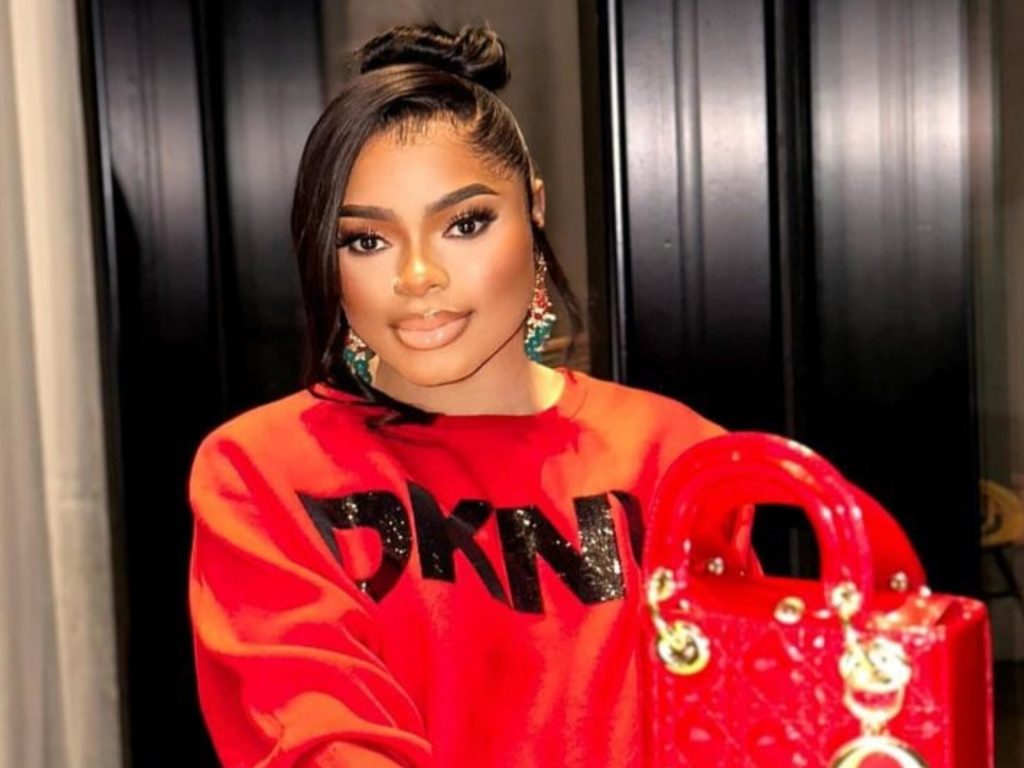
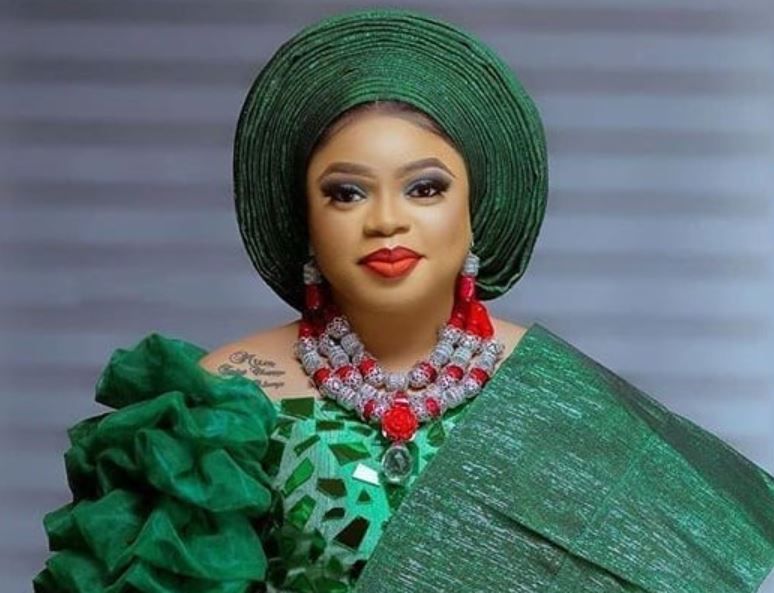
In a recent piece about the well-known crossdresser and transgender figure Bobrisky, whose real name is Idris Okuneye, I pointed out that her actions often hold a mirror to society. Once again, Bobrisky found herself at the center of attention, this time in the National Assembly, highlighting the absurdity of our lawmakers. While it’s no surprise that they often come across as overpaid entertainers, the spectacle of summoning a social media personality—who arrived with a companion dressed as a “native doctor”—to an investigative panel only underscored the institution’s decline.
What exactly were the lawmakers expecting from someone who merely shared a recorded conversation? This individual didn’t conduct any research or fact-finding; he simply released a private chat that had been leaked in an attempt to coerce Bobrisky into settling a debt. Obsessed with Bobrisky’s notoriety, he chose to make the conversation public even after the debt was resolved. Yet, this is the character they invited into their “hallowed chamber.” They also extended an invitation to Bobrisky, who wisely opted not to attend. What outcome were they hoping for by pitting these two against each other? Is the National Assembly now merely a stage for trivial entertainment?
I understand the need to address the public interest generated by the leaked tape, but was this truly the appropriate approach? Their trivialization of serious matters demonstrates a profound disregard for their constitutional responsibilities. If they genuinely wish to reform the justice system, they could find thorough research on the topic at reputable institutions like NIPSS in Kuru, Jos, or various think tanks across the nation. Instead, they focused on a social media “influencer,” ignoring substantial insights that have already been documented. We recall the public conflict last December involving the National Correctional Service, the DSS, and the EFCC over the custody of former CBN governor Godwin Emefiele. Why would multiple agencies tussle over the detention of a wealthy individual if not for their perceived opportunities?
In 2019, investigative journalist Fisayo Soyombo immersed himself in the Nigerian prison system, even undergoing incarceration to validate his findings on corruption. If the Assembly sought to summon someone with firsthand experience of the prison system’s failures, Soyombo would have been a far more relevant choice. Why disregard those who have made serious contributions to understanding these issues in favor of individuals whose interest is superficial? These social media figures have turned their online presence into a livelihood, and this entire spectacle serves only to entertain a passive audience.
I am not against an earnest examination of the issues at hand. Indeed, both the EFCC and the correctional service deserve scrutiny, especially concerning how presidential pardons are granted. The criteria for such pardons have long been questionable. While the allegations stemming from Bobrisky’s leaked tape are serious enough to warrant investigation, the lawmakers’ decision to invite social media figures to confront one another trivializes a significant institutional crisis. Such matters should be directed at the responsible institutions rather than individuals who merely reflect the broader systemic issues.
The situation merits investigation, particularly regarding the EFCC and the allegations of a N15 million bribe. Their rationale for dropping money laundering charges against Bobrisky was shocking, revealing more about their investigative integrity than about her. According to EFCC prosecutor Bilikisu Bala, the charges were dismissed based on Bobrisky’s own admission that her business, Bob Express, was unregistered with SCUML. This piqued my interest.
It appears there was no substantial basis for arresting Bobrisky initially. They detained her and, faced with a lack of evidence for the money laundering charge, coerced her into providing information they could use against her. Let me reiterate: prior to her arrest, there was no solid case against her. The EFCC seemed to believe that by detaining her, they could extract something useful.
There’s a possibility that, even after realizing the money laundering case was weak, some officers exploited the situation to extort funds from her. Given her lack of awareness regarding the absence of evidence, they may have seized the opportunity to demand a bribe. So when prosecutor Bala claimed the charges were “legally” dropped, it’s not entirely untrue—there was never a solid foundation for them, but the EFCC was desperate to pursue a sensational charge to distract from their real issue with her: her identity.
If this scenario is accurate, it sheds light on the EFCC’s ineffectiveness; they are so compromised that they struggle to maintain integrity. When the EFCC chairman, Olu Olukayode, complains about the “backdoor” access given to former Kogi governor Yahaya Bello, it’s clear that their challenges stem from a lack of moral conviction. Where else do we see an investigative body needing the cooperation of a suspect to carry out their duties to the point of practically begging for their attention? After months of complaints, Bello casually walked into their offices while officials appeared utterly paralyzed by ineptitude. Shameful!
While we lack definitive proof of who demanded money from Bobrisky and how it was distributed, the details from the leaked tape suggest a pattern that’s hard to dismiss. Bobrisky was not coerced into speaking; why would she fabricate accusations against the EFCC in a tape she didn’t expect to be public? Given that parts of her narrative—particularly her account of being held in a private prison—have been substantiated by officials, the allegations regarding the EFCC are likely valid as well. Ultimately, the public fascination with this scandal hinges on Bobrisky. None of this is new information, yet should lawmakers really lend credibility to such trivial matters?



Responses