National Grid Collapses Again for Second Time in 2026 as Power Supply Drops to Zero

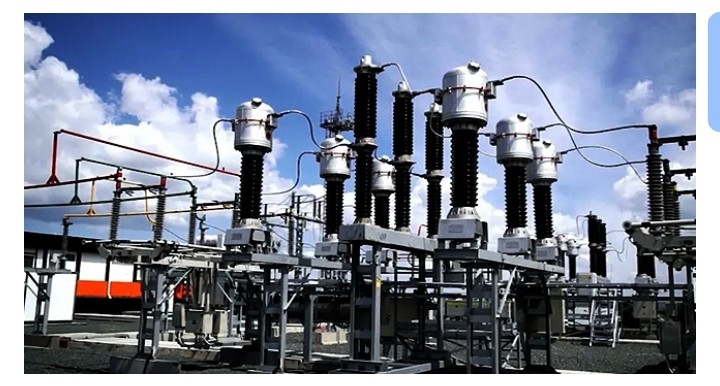
Nigeria’s already fragile power sector suffered another major setback on Tuesday as the national electricity grid collapsed for the second time in 2026, plunging large parts of the country into darkness and reigniting concerns over the reliability of the nation’s power infrastructure.
Data obtained from the System Operator showed that electricity generation across the country fell sharply from over 4,500 megawatts to zero megawatts by about 11:00 a.m., resulting in a complete loss of power supply to all 11 electricity distribution companies (DisCos). As of the time of filing this report, no electricity was being transmitted through the national grid.
This latest collapse comes barely days after the grid recorded its first failure of the year last Friday, and only weeks after a similar nationwide outage on December 29, 2025. The recurring incidents have once again drawn attention to longstanding structural and operational challenges within Nigeria’s power sector.
Checks indicated that all 23 power generation plants connected to the national grid reportedly lost output during the incident, leaving the Transmission Company of Nigeria (TCN) unable to distribute power to consumers nationwide. While some areas experienced temporary supply from stored energy within distribution networks, many parts of the country were immediately thrown into blackout.
Although the exact cause of Tuesday’s collapse could not be immediately determined, grid failures in Nigeria have historically been attributed to a combination of technical faults, inadequate maintenance of transmission infrastructure, system instability, and fluctuations in generation capacity. Industry experts have also pointed to ageing equipment, vandalism, poor grid redundancy, and weak coordination between generation, transmission, and distribution segments as recurring factors.
Officials of the Transmission Company of Nigeria had yet to issue a detailed explanation at the time of reporting. However, a brief update from the grid operator indicated that recovery efforts were ongoing to restore power supply nationwide.
The repeated grid collapses have continued to fuel public frustration, particularly as Nigerians grapple with rising electricity tariffs, the removal of power subsidies, and increased reliance on alternative energy sources such as generators and solar systems. Many consumers argue that the cost of self-generation has become unsustainable, especially for small businesses and households already burdened by inflation and rising fuel prices.
Across the country, reactions to the latest collapse reflected widespread anger and despair. Social media users and residents in affected areas lamented the frequency of grid failures, questioning how a country without natural disasters such as earthquakes or hurricanes continues to experience persistent nationwide power outages.
Some electricity consumers expressed disbelief that the grid could collapse twice in the same month, warning that if the trend continues, grid failures may become a routine occurrence rather than an exception. Others criticised the government’s power sector reforms, accusing authorities of prioritising revenue generation through metering and tariff adjustments while failing to deliver stable electricity supply.
Criticism was also directed at the Ministry of Power, with some commentators calling for greater accountability and urgent reforms. They argued that repeated grid failures undermine economic productivity, discourage investment, and worsen the quality of life for millions of Nigerians.
For many small business owners and professionals whose livelihoods depend on constant electricity, the situation has become dire. Some reported spending hundreds of thousands of naira monthly on fuel and generator maintenance, while others said the stress of erratic power supply has taken a toll on their health and finances.
Analysts warn that unless urgent steps are taken to strengthen the national grid—through sustained investment, improved maintenance, decentralisation of power generation, and enhanced system management—the country may continue to experience frequent collapses with severe economic and social consequences.
Despite ongoing recovery efforts, the latest incident has once again raised fundamental questions about the resilience of Nigeria’s power infrastructure and the effectiveness of reforms in the sector. As Nigerians await the restoration of electricity, many are calling on the federal government to declare an emergency in the power sector and implement long-term solutions that will finally end the cycle of collapses and blackouts.


Responses