Nigerian and Nigerien Troops Foil Bandit Attack in Sokoto, Highlight Strength of Cross-Border Security Cooperation

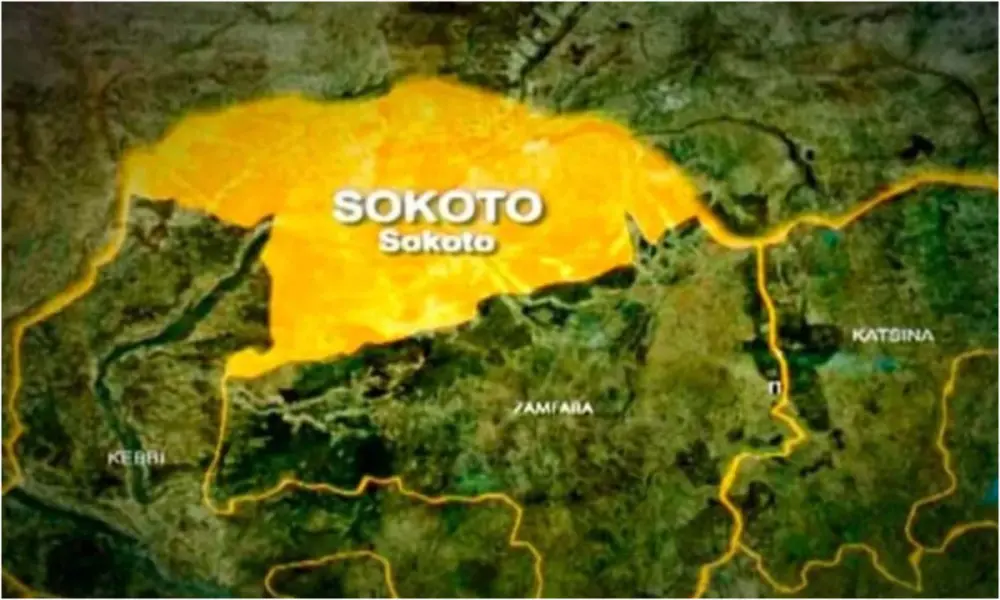
A coordinated security operation involving Nigerian troops, Nigerien soldiers, and local vigilante groups has successfully thwarted a planned bandit attack on Abara village in Sabon Birni Local Government Area of Sokoto State, reinforcing growing confidence in joint regional efforts to combat insecurity in Nigeria’s North-West.
The foiled attack, which occurred late on Saturday night and stretched into the early hours of Sunday, January 11, 2026, was disclosed by a well-known security analyst, Bakatsine, via his verified X (formerly Twitter) account. According to his report, suspected bandits riding on approximately six motorcycles attempted to infiltrate Abara village under the cover of darkness, presumably to carry out a raid on unsuspecting residents.
Unaware that their movements had already been tracked, the attackers reportedly abandoned their motorcycles along the main road and proceeded into the village on foot, likely in a bid to avoid early detection. However, Bakatsine revealed that Nigerian security forces had received actionable intelligence ahead of time, allowing them to position troops strategically before the bandits arrived.
As the assailants entered Abara, Nigerian soldiers swiftly moved in to repel the attack, engaging the suspects in sustained gunfire. Local vigilante groups from Abara and the neighboring Kyalkyale community were also mobilised, providing critical support and local knowledge that helped strengthen the defensive response. The combined resistance forced the bandits to retreat hastily into surrounding farmlands as they sought escape routes.
In a dramatic twist, the bandits attempted to flee by returning to retrieve their motorcycles, not knowing that Nigerien troops on routine patrol had earlier discovered the parked bikes and taken up concealed positions around the area. According to Bakatsine, once the fleeing suspects reached the location, the Nigerien soldiers opened fire, neutralising them on the spot and effectively ending the operation.
The incident did not end there. By Sunday morning, a suspected surviving bandit was apprehended in Magajin Dawaki village, also within Sabon Birni LGA. The suspect allegedly jumped into an unoccupied house, discarded his combat clothing, and donned the homeowner’s traditional attire in an attempt to blend in with civilians. When the house owner returned and found him, the suspect reportedly pleaded not to be handed over to vigilantes, even offering his mobile phone as a bribe. He was nevertheless arrested and promptly handed over to security operatives.
Security analysts have described the operation as a major success, noting that it averted what could have been a deadly assault on civilians. Abara village, like many rural communities in Sokoto and other North-Western states, has lived under the constant threat of banditry, kidnapping, and violent raids that have claimed lives and disrupted livelihoods over the years.
Bakatsine praised the seamless collaboration between Nigerian and Nigerien forces, emphasizing that the operation underscores the importance of cross-border military cooperation in tackling criminal groups that exploit porous borders. “This operation highlights the effectiveness of intelligence-driven action, regional collaboration, and community vigilance,” he said, commending both the soldiers and local vigilantes for their bravery and swift response.
The successful repulsion of the attack has sparked widespread reactions among Nigerians, with many applauding the renewed synergy between Nigeria and Niger despite recent diplomatic tensions. Others have called for more aggressive and sustained offensives against bandit enclaves, arguing that security forces should move beyond repelling attacks to decisively dismantling criminal networks.
For residents of Abara and surrounding communities, the operation has provided a rare moment of relief and reassurance. While the broader challenge of insecurity remains, the incident stands as a clear example of how timely intelligence, community involvement, and regional cooperation can save lives and protect vulnerable populations from the scourge of banditry.


Responses