Nigerians React to Passport Fee Hike


The recent 100 per cent increase in the cost of obtaining a Nigerian international passport has sparked heated reactions across the country, with many citizens describing the new charges as unaffordable and unfair. Others, however, believe the hike could be justified if it brings genuine reforms to a system that has long been plagued by delays, corruption, and inefficiency.
The Nigeria Immigration Service announced the new rates on September 1, stating that the adjustment was necessary to maintain the quality and integrity of the Nigerian passport and sustain the new enhanced e-passport regime. Under the revised structure, a 32-page booklet with five years’ validity now costs ₦100,000 for applications made within Nigeria, while a 64-page booklet valid for ten years costs ₦200,000. Nigerians living abroad will pay $150 for the smaller booklet and $230 for the larger one.
For many ordinary Nigerians, the new cost is nothing short of overwhelming. Aisha Musa, a small-scale trader in Abuja applying for her first passport, expressed her frustration. She explained that finding ₦100,000 for a travel document is a nearly impossible task for most families like hers. “How many market women can produce ₦100,000 just to get a passport? The government says it wants quality, but it must also think of struggling families,” she lamented.
Young Nigerians have also voiced their concerns, particularly students who see international education as a pathway to better opportunities. Toluwani Johnson, a University of Abuja student, described the policy as a barrier to ambition. She revealed that she had been saving towards the old ₦50,000 fee to pursue postgraduate studies abroad, only to now face double the financial demand. “Saving ₦100,000, plus transport and other documents, is very hard. Many students like me may postpone their dreams. This is sad and disheartening,” she said.
Travel experts, on the other hand, acknowledge that the reforms could bring some positives if properly managed. Success Daniel, a travel consultant, pointed out that while the higher cost may sting, improved processing speed could soften the blow. “I got an appointment online within 48 hours. If I collect in under two weeks, I might accept the new cost. But Nigerians will not tolerate the old delays at double the price,” he warned.
Abdullahi Adamu, another travel agent, explained that reforms in technology and security systems were long overdue and necessarily expensive. He, however, insisted that the new system must work effectively to justify the charges. “No failed networks, no touts, no endless waiting,” he said firmly, highlighting the frustrations of applicants who often pay bribes or wait months to get their passports.
For others, the issue is not only about money but also about efficiency and transparency. Engineer and car dealer Benson Eze explained that Nigerians would be willing to pay if the process became straightforward and reliable. “If I can apply online, capture once and collect in seven days, I will accept it. The issue has always been delays and extra charges. NIS and the Ministry of Interior need to do better. If not, this increment will amount to nothing but discomfort for the people,” he said.
Civil servants also raised concerns about hidden costs. Ngozi Kalu, who was renewing her passport, said that despite the official fees, whispers of extra “facilitation money” persisted at some passport offices. She urged tighter monitoring of front-desk staff to ensure accountability. “If we are paying so much, we must see total automation and zero extortion,” she demanded.
Retirees, too, feel the burden. A former civil servant, Adeniyi Adekunle, criticised the government for focusing on revenue generation without addressing citizens’ frustrations. “A responsible government should not only chase revenue but also deliver on its promises,” he said, adding that many older Nigerians face unnecessary stress during the application process.
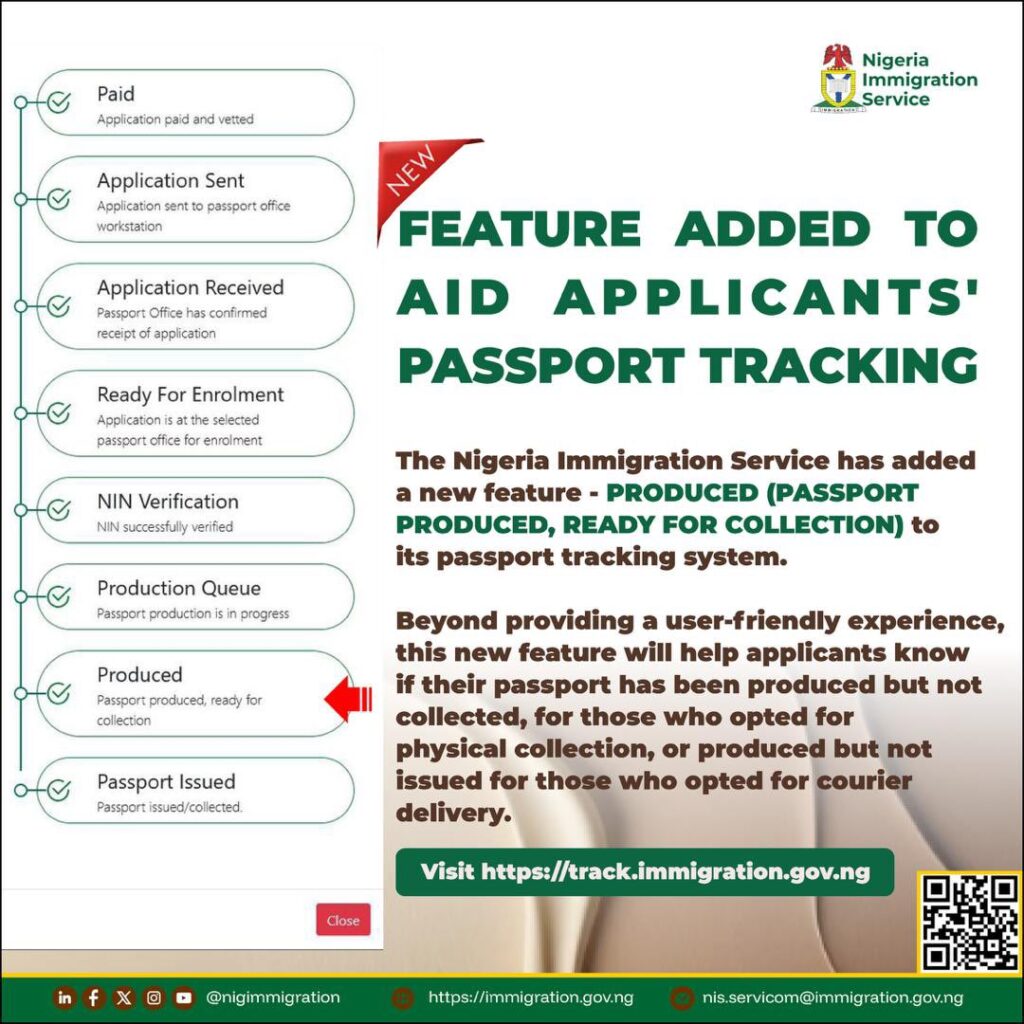
Responding to the criticisms, Minister of Interior Olubunmi Tunji-Ojo assured Nigerians that sweeping reforms were underway to make passport acquisition faster and more reliable. He announced that with the new system, Nigerians should receive their passports within one week of enrolment. “Our goal is not just faster delivery but quality passports that reflect the integrity and dignity of our nation,” he said.
The minister explained that the centralised personalisation centre, introduced as part of the reforms, could print five times more passports than the country’s current demand. According to him, once an applicant enrols, the system can vet the details within 24 hours, making long waiting periods a thing of the past. He also revealed that Passport Control Officers will no longer have the power to approve or delay applications, a move intended to cut out racketeering and bribery.
Tunji-Ojo emphasised that the new measures were designed to eliminate the problems that once forced Nigerians to wait up to seven months or pay exorbitant fees for “fast-track” services. “We realised that the best way to cut corruption is to remove human contact to the barest minimum,” he said.
While the government’s promises offer hope, many Nigerians remain sceptical, noting that they have heard similar assurances in the past without meaningful results. The debate now lies between those who believe the fee hike could pave the way for genuine reform and those who view it as another financial burden imposed on citizens already battling with inflation and rising living costs.
For market women like Aisha Musa, students like Toluwani Johnson, and countless others, the true test will not be in the price tag but in whether the passport process finally becomes fair, transparent, and efficient. Until then, the new policy will continue to draw mixed reactions from a population that has grown weary of paying more but receiving less.






Responses