Pope Leo XIV Declares Global Day of Prayer and Fasting

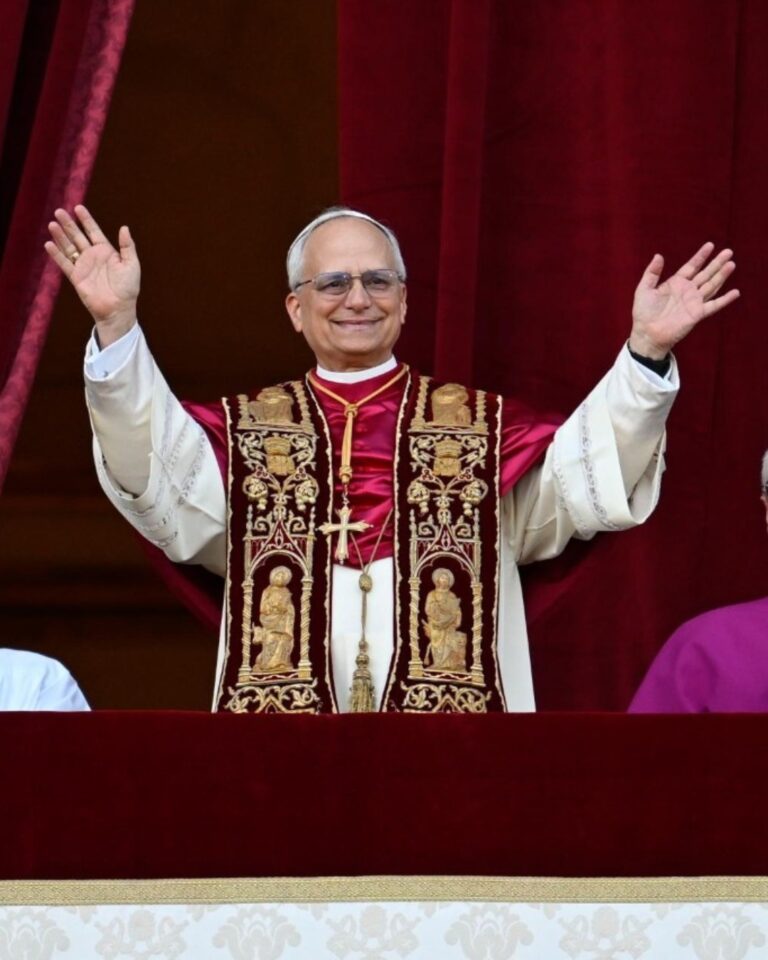
In a deeply moving and timely appeal, Pope Leo XIV has called for a worldwide day of prayer, fasting, and charity on Friday, August 22, 2025. This spiritual initiative is meant to unite people around the world in seeking peace, particularly in areas torn apart by war and violence. The chosen date also holds religious significance, coinciding with the Catholic Church’s celebration of the Queenship of the Blessed Virgin Mary—a feast that honors Mary’s role as a symbol of peace and compassion.
Pope Leo, the newly elected American pontiff formerly known as Cardinal Robert Francis Prevost, made the announcement during his regular Wednesday General Audience in St. Peter’s Square, drawing attention not just from Catholics but from people of all faiths concerned about the growing unrest in various parts of the world. His words, shared by Vatican News, struck a chord as he spoke about the countless innocent lives lost and the unbearable weight war continues to place on families and communities across the globe.
The Pope’s plea comes at a moment when violence is intensifying in key conflict zones like Ukraine and the Holy Land, and as humanitarian organizations issue increasingly dire warnings. With millions of civilians displaced, homes destroyed, and communities ripped apart, the global call for peace is more urgent than ever. The Pope’s spiritual approach offers a moment for reflection and a chance to rally people together beyond politics, ideologies, or borders.
“Too many innocent lives are being lost, and too many families are bearing the weight of wars that seem endless. We cannot remain indifferent,” Pope Leo stated in a heartfelt message. His call was not just for quiet prayer, but for action rooted in spiritual discipline. He asked the faithful around the world to dedicate the day to fasting, prayer, and charitable acts, underlining that these gestures are not merely symbolic—they can be powerful tools for awakening compassion, changing hearts, and ultimately, shifting the course of history.
The timing of this global observance is significant. August 22 marks the Queenship of the Blessed Virgin Mary in the Catholic calendar. This feast celebrates Mary not just as a queen in the heavenly sense, but as an intercessor and advocate for peace and healing in a fractured world. By aligning the day of prayer and fasting with this feast, Pope Leo is drawing from centuries of tradition in which the Church has turned to Mary during moments of great turmoil and crisis.
“Let us ask Mary, Queen of Peace, to help nations rediscover the path of peace. May she intercede for people torn apart by hatred and violence,” Pope Leo added, reaffirming the Church’s faith in Mary’s role as a source of spiritual strength and hope.
Religious leaders in regions most affected by conflict were quick to support the Pope’s call. Cardinal Pierbattista Pizzaballa, the Latin Patriarch of Jerusalem, offered a thoughtful perspective, saying, “Prayer is not a magic formula, but it opens hearts where distrust and hatred have grown. It is a step toward rebuilding trust.”
In war-torn Ukraine, Bishop Vitalij Skomarovskyj echoed similar sentiments, expressing that the Pope’s message is a powerful reminder to those in the midst of suffering that they are not forgotten. “This call reminds us we are not forgotten. Prayer and fasting have great power; they can change the course of history,” he said.
But Pope Leo didn’t stop at encouraging prayer and fasting. He also took the opportunity to speak about deeper concepts that often go unaddressed in conversations about peace: justice and forgiveness. Quoting from the teachings of Saint John Paul II, the Pope emphasized that real peace is not possible through justice alone. It also requires the capacity to forgive.
“True peace cannot exist without justice, but neither can it survive without forgiveness,” the Pope said. “Forgiveness is not surrender; it is the strength that prevents new wounds.” His words are particularly poignant in a time when discussions about war reparations, ceasefire agreements, and transitional justice are making headlines. In many places, the debate is not just about ending war, but about how to heal after war ends—and what true reconciliation looks like.
This is not the first time a Pope has called the world to collective spiritual action. Historically, moments of global prayer have been used to bring people together during times of international crisis. What makes this one stand out is the immediacy and breadth of the Pope’s concern. He is not speaking only to Catholics, nor is he limiting the conversation to one region or cause. Instead, he is reaching out to all people of goodwill, inviting them to pause, reflect, and act in solidarity with those affected by violence, regardless of their religion or nationality.
In a world often dominated by news of conflict, division, and despair, Pope Leo’s message is a breath of spiritual clarity. It is a reminder that while governments may hold political power, the people—through unity, prayer, compassion, and action—can also shape the world.
As August 22 approaches, churches, faith communities, and individuals around the globe are expected to answer the Pope’s call. Whether it is through quiet prayer, fasting a meal, donating to relief efforts, or simply reflecting on how to be a force for peace in one’s community, the day offers an opportunity for everyone to play a part in the pursuit of peace.
Pope Leo’s declaration might not end wars overnight, but it can help plant the seeds for peace. And sometimes, it is in these small, united acts of faith and hope that the biggest changes begin.



Responses