Trump and Putin Meet in Alaska for Pivotal Summit

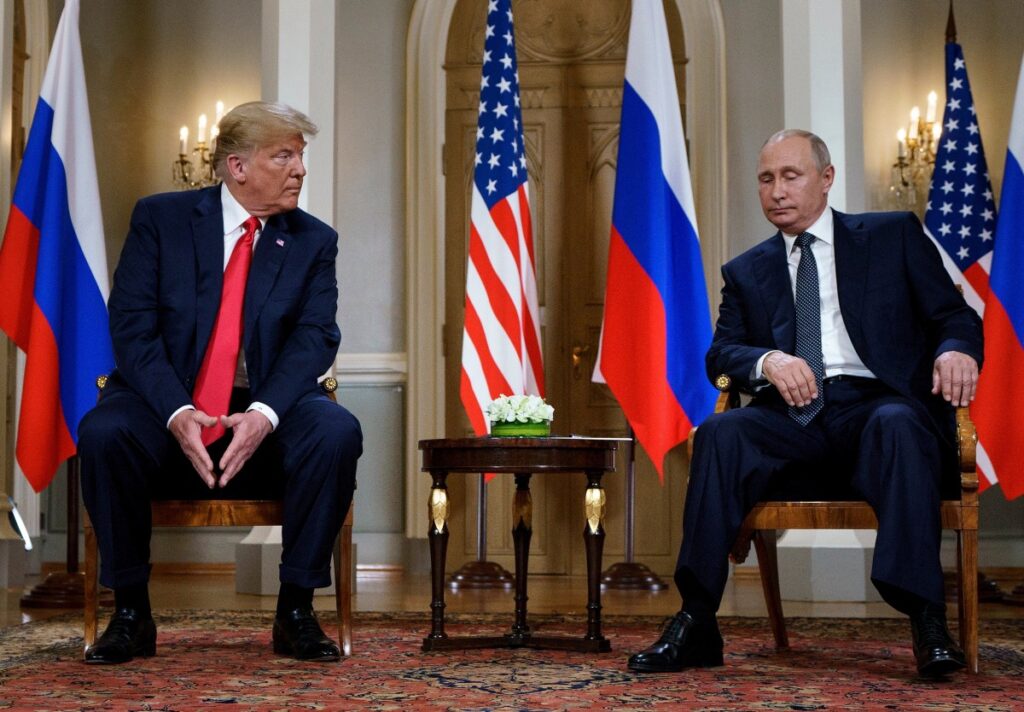
In what is shaping up to be one of the most consequential diplomatic moments in recent history, United States President Donald Trump and Russian President Vladimir Putin are meeting today in Alaska. This high-stakes summit, taking place at Elmendorf Air Force Base, is being closely watched around the world, particularly by leaders in Europe and Ukraine. The future of the ongoing war in Ukraine could hinge on the outcome of this encounter.
This is Putin’s first time on Western soil since the beginning of Russia’s full-scale invasion of Ukraine in February 2022. The war has now raged for over three years, with devastating consequences. Tens of thousands of lives have been lost, cities destroyed, and millions displaced. Russia has recently made rapid military advances, adding urgency and weight to this unexpected diplomatic engagement.
The meeting itself is controversial. President Trump extended the invitation to Putin after the Russian leader suggested it, but Trump has since tried to manage expectations. He has emphasized that the summit is exploratory, describing it as a “feel-out meeting” to gauge Putin’s willingness to compromise. Speaking at the White House a day before the summit, Trump told reporters that if the conversation went badly, it would end quickly. However, he also claimed that if things went well, peace could be achieved in the “pretty near future.”
Trump, known for his confidence in his deal-making abilities, has also stated that any concrete agreement would require input from Ukrainian President Volodymyr Zelensky and European leaders. He suggested that any final decisions would take place in a three-way meeting where territorial compromises might be negotiated.
That particular idea has not gone down well in Ukraine. Zelensky has firmly refused any suggestion of surrendering land to Russia and expressed anger over being excluded from the Alaska summit. For many observers, Trump’s openness to negotiating territory without Ukraine at the table is not only risky but potentially disastrous for Ukrainian sovereignty.
The geopolitical tensions surrounding the summit are immense. European leaders have largely taken a firm stance against negotiating with Russia unless Ukraine is involved, arguing that any decisions about the country’s future must include its democratically elected leadership. Trump’s choice to go another route, by meeting Putin one-on-one without Ukraine, is being interpreted by some as undermining years of Western unity on the issue.
The meeting will begin at 11:30 a.m. local time at the Air Force base, a location with historical symbolism. Alaska was once Russian territory, sold to the United States in 1867. The Kremlin has cited this history in the past to support the concept of land exchanges, which adds another layer of complexity to the conversation about potential territorial compromises in Ukraine.
Adding to the intensity of the situation is the fact that Putin is currently the subject of an arrest warrant issued by the International Criminal Court (ICC) for alleged war crimes committed during the Ukraine conflict. While this has prevented him from traveling to many countries, the United States is not a member of the ICC, allowing him to attend the Alaska meeting without immediate legal threat.
In preparation for the summit, the U.S. Treasury Department temporarily eased certain sanctions to enable Russian officials to travel and conduct basic financial transactions during their time in Alaska. Neither leader is expected to leave the military base or enter Anchorage, where protesters have gathered, holding signs of support for Ukraine and calling for peace and justice.
This summit is already being described as a defining moment of Trump’s second term in office. His handling of the Ukraine crisis has drawn mixed reactions. On one hand, he has repeatedly promised that he could end the war quickly, claiming that his leadership would bring both sides to the table and result in a resolution within 24 hours. On the other hand, critics argue that his approach could legitimize Russian aggression and leave Ukraine in a weaker position.
In a sign of just how precarious the situation is, Trump acknowledged that he is growing frustrated with Putin. Despite frequent calls between the two leaders and a highly publicized meeting with Zelensky at the White House earlier this year—during which Trump reportedly scolded the Ukrainian president—there has been no meaningful shift in Russia’s position. Putin has made no public indication that he is willing to back down or halt the war.
Nevertheless, Trump insists that he is not going into the meeting blindly. He has warned Putin of “very severe consequences” if there is no agreement on a ceasefire. However, he has also shown a willingness to engage with the Russian leader, claiming that he alone has the strength and strategy to end the conflict.
For many in Washington and beyond, the stakes of this meeting are incredibly high. Secretary of State Marco Rubio has emphasized the need for security guarantees for Ukraine, though Trump has not strongly endorsed that idea. Former diplomats, like Daniel Fried of the Atlantic Council, have warned that Putin may attempt to manipulate the situation by offering vague promises that appear substantial but ultimately amount to very little. According to Fried, Putin is known for using distraction tactics—introducing “new shiny objects” that pull attention away from core issues.
As the world watches today’s events unfold, there is a sense of anxious anticipation. Could this meeting bring an end to the war, or will it deepen the divide between allies and embolden Russia further?
President Zelensky, in a recent statement, called the summit a “personal victory” for Putin, arguing that it signals the end of his isolation and undermines sanctions efforts. The Ukrainian leader’s concerns are shared by many across Europe who worry that bypassing Ukraine in peace talks could set a dangerous precedent.
One thing is certain—this meeting between Trump and Putin is about more than just Ukraine. It is a test of global diplomacy, of alliances, and of the willingness of major powers to stand by their commitments to sovereignty, international law, and democratic values.


Responses