Tinubu Is Not Our Problem, The Problem Is the Opposition – Amaechi


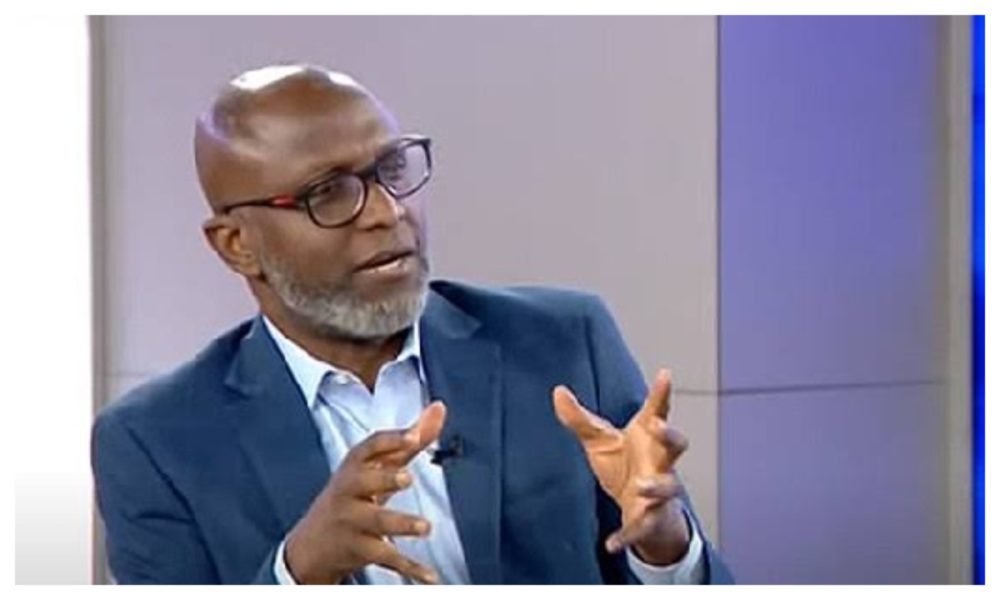
Former Rivers State governor and ex-Minister of Transportation, Rotimi Amaechi, has openly admitted that the opposition’s biggest obstacle is not President Bola Ahmed Tinubu, but rather its own internal weaknesses and disorganisation. Amaechi made this remark on Thursday while addressing journalists at a joint press conference convened by leaders of several opposition political parties.
In a blunt assessment that has since generated widespread reactions, Amaechi said the opposition must first separate itself from the government in power and confront its own failures if it hopes to present a credible alternative to Nigerians. According to him, the ruling party has simply taken advantage of the opposition’s inability to act decisively and collectively.
“Tinubu is not our problem. The problem is the opposition,” Amaechi said. “We need to separate ourselves from the government in power. Tinubu’s pattern is simple: he tries something today, and you’re weak. He puts something bigger tomorrow, and you’re weaker.”
Amaechi further criticised what he described as the absence of coordinated resistance to government actions, questioning why opposition voices appear muted even in moments of public outrage. He referenced the President’s foreign trips, asking rhetorically why a sitting president would travel abroad at a time when citizens are accusing his administration of financial mismanagement, without facing sustained pressure from rival political blocs.
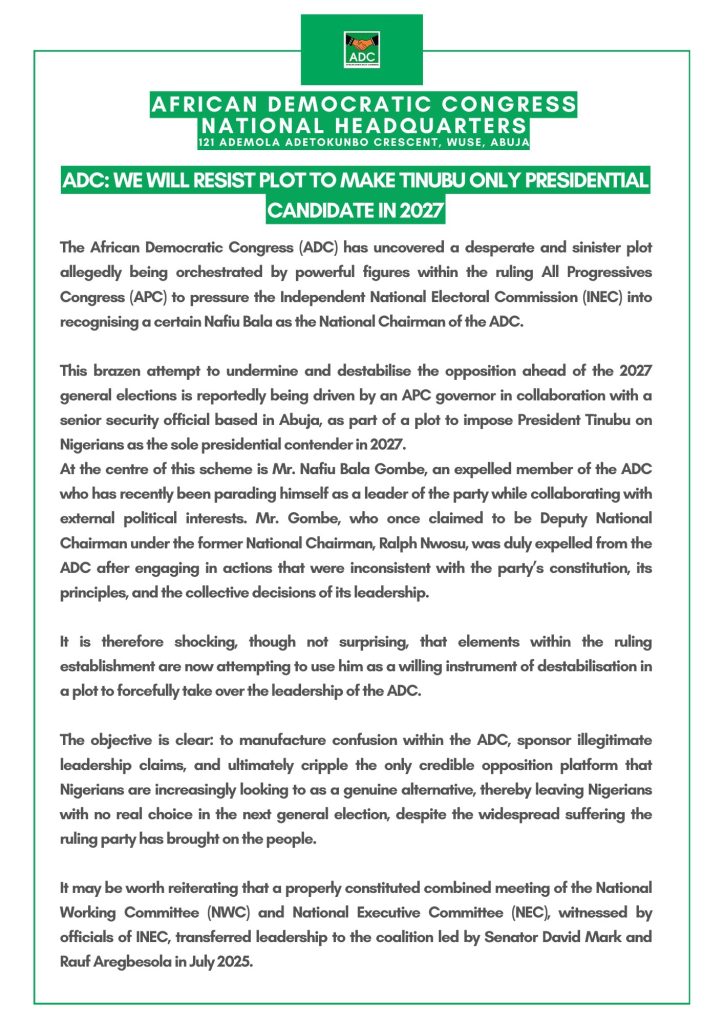
His comments have been interpreted by many political observers as an implicit acknowledgment of the strategic strength of the ruling All Progressives Congress (APC), as well as a damning indictment of opposition parties that have failed to unite around a clear agenda since the 2023 elections.
The reaction to Amaechi’s statement has been swift and polarising. While some commentators described his remarks as refreshingly honest, others dismissed them as defeatist or self-serving. Critics argue that blaming the opposition alone ignores the broader governance challenges facing the country, including economic hardship, insecurity, and public distrust in institutions.
Supporters of Amaechi’s position, however, say his comments reflect an uncomfortable truth. They point out that opposition parties remain fragmented, embroiled in internal disputes, and more focused on personal ambitions than long-term grassroots mobilisation. According to this view, the ruling party’s dominance is less about flawless governance and more about the absence of a credible, united alternative.
Political analysts note that with the 2027 general elections approaching, pre-election activities such as coalition-building, voter engagement, and organisational restructuring will be critical. Some argue that the opposition has already lost valuable time to infighting and mutual suspicion, while the APC continues to consolidate power at both federal and state levels.
Amaechi’s remarks have also reignited debate about leadership within the opposition camp and whether familiar faces can still inspire confidence among voters. Calls have intensified for opposition parties to set aside egos, agree on a consensus candidate, and articulate clear policy alternatives that resonate with ordinary Nigerians.
As the political temperature gradually rises, Amaechi’s candid intervention may serve either as a wake-up call or as another reminder of the deep divisions that continue to weaken Nigeria’s opposition. What remains clear is that without urgent reforms and unity, the ruling party may continue to enjoy what many describe as a “free ride” toward the next election cycle.


Responses