Tinubu Orders Immediate Release of Minors on Trial Over Protest


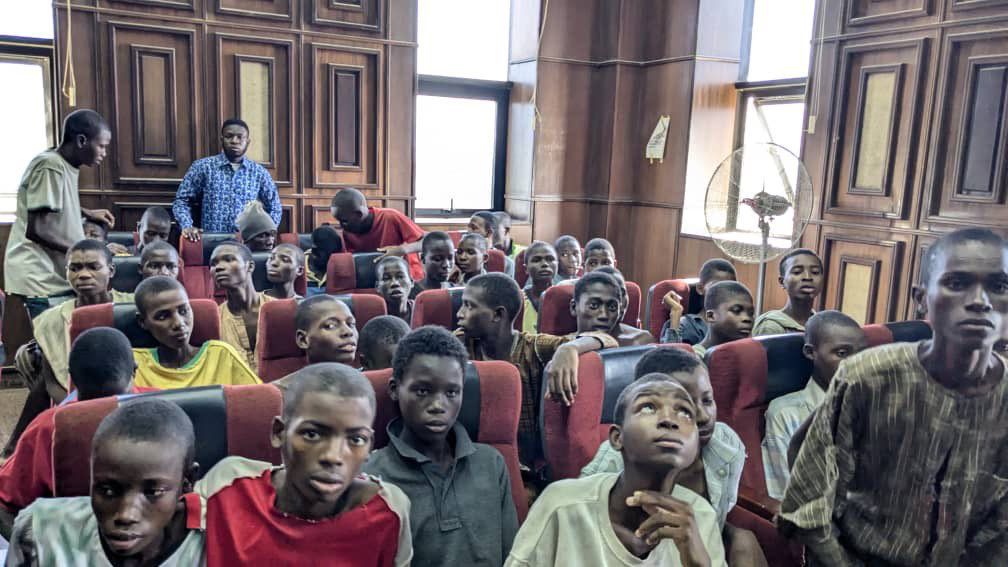
In a significant move, President Bola Ahmed Tinubu has ordered the immediate release of minors who were detained and placed on trial for their involvement in recent protests. The decision, announced on November 5, 2024, comes after widespread criticism and calls from various human rights groups and activists for the release of the young protesters, many of whom were underage and reportedly arrested during peaceful demonstrations.
The minors were detained during protests that erupted across several Nigerian cities in response to issues ranging from economic hardship to social injustices. These protests, which began as peaceful demonstrations organized by youth groups, soon turned into clashes between protesters and law enforcement agencies, resulting in multiple arrests.
Among those arrested were several minors who had reportedly joined the protests to voice their concerns over issues such as unemployment, inflation, and the cost of living. In some cases, the minors were reportedly arrested while participating in marches or demonstrating in public spaces, with authorities accusing them of inciting violence.
While some of the minors were simply caught up in the unrest, their arrests sparked outrage, particularly among child rights activists and advocates for the protection of minors under Nigerian law. Human rights organizations highlighted that the arrest and trial of children, especially in a protest context, violated their rights and went against international norms protecting children from such treatment.
Following increasing pressure from both local and international groups, President Tinubu intervened personally, directing the immediate release of all minors who were still in custody and on trial. This decision was hailed by human rights activists as a positive step toward safeguarding the rights of children and upholding Nigeria’s obligations under various international treaties that protect children from arbitrary detention and prosecution.
In a statement from the presidency, Tinubu emphasized that the government would ensure the proper treatment of minors in the country and called for better understanding and respect for the rights of children. “The arrest and trial of minors is a matter that requires urgent attention, and I have directed that they be released immediately, as their involvement in these protests was based on their right to express concerns. However, it is crucial that we handle such matters in a manner that respects the dignity and well-being of every Nigerian citizen, especially our children,” Tinubu said.
The president also ordered that a comprehensive review be carried out to assess the circumstances surrounding the arrests, with the goal of preventing such incidents in the future. Tinubu reaffirmed his administration’s commitment to upholding human rights, particularly the rights of children, and ensuring that such situations are handled in accordance with both Nigerian law and international human rights standards.
The decision to release the minors was met with widespread applause from civil society organizations, youth groups, and political analysts. Many commended Tinubu for taking decisive action to protect the rights of children, acknowledging that the arrest and prosecution of minors had sparked a national debate on the treatment of young people in protest situations.
“The release of these minors is a victory for the rule of law and human rights in Nigeria,” said a representative of a prominent youth advocacy group. “We applaud President Tinubu for listening to the concerns of the Nigerian people and taking action to ensure that justice is done.”
International organizations, such as UNICEF, also issued statements welcoming the release. In a tweet, UNICEF Nigeria praised the Nigerian government’s decision, stating that “the protection of children’s rights must always be a priority for all governments, particularly in times of unrest.” UNICEF also emphasized that children should never be criminalized for exercising their right to peaceful assembly.
The protests that led to the arrests were fueled by frustration over Nigeria’s economic conditions, including soaring inflation, high unemployment rates, and widespread poverty. These issues have caused increasing hardship for the majority of Nigerians, especially young people who are struggling to find employment and opportunities for a better life.
Many of the protestors, including the minors, were calling for improved living conditions, more job opportunities, and better access to education and healthcare. While the protests were initially peaceful, they soon escalated in some areas, leading to confrontations with security forces and subsequent arrests.
However, the government’s response to the protests has been controversial, with accusations of heavy-handed tactics used by security agencies in dealing with demonstrators. While some view the government’s actions as necessary to maintain order, others argue that the authorities are stifling legitimate dissent, particularly by targeting minors and other vulnerable groups.
President Tinubu’s directive to release the minors marks a crucial turning point in the government’s response to protests and unrest in the country. While it addresses immediate concerns regarding the detention of children, it also highlights the broader issue of how the government handles public demonstrations and the treatment of protesters, particularly young people.
The release of the minors is expected to ease tensions, but the broader issues driving the protests—such as economic inequality, unemployment, and poverty—remain unresolved. Activists and civil society groups are urging the government to focus on addressing these root causes, in addition to ensuring that citizens can peacefully express their dissatisfaction without fear of arrest or persecution.
As Nigeria continues to grapple with its social and economic challenges, the government’s handling of future protests and its approach to protecting the rights of minors will be closely watched. The public and international community will be looking for further steps to ensure that the rights of all Nigerians, particularly vulnerable groups, are respected and upheld.
President Tinubu’s decision to release the minors involved in the recent protests is a welcome move that highlights the importance of respecting the rights of children, even in the context of public unrest. By taking swift action to address the issue, Tinubu has signaled his commitment to upholding human rights and ensuring that Nigeria’s youth are protected from unjust treatment. However, the broader issues at the heart of the protests—economic hardship, unemployment, and inequality—remain pressing challenges that require sustained attention and action from the government. As the country moves forward, it is essential for the government to foster an environment where citizens can peacefully voice their concerns without fear of repression or violence.


Responses