Tinubu’s team uncoordinated, suffering economic illiteracy – Ex-presidential candidate, Adebayo

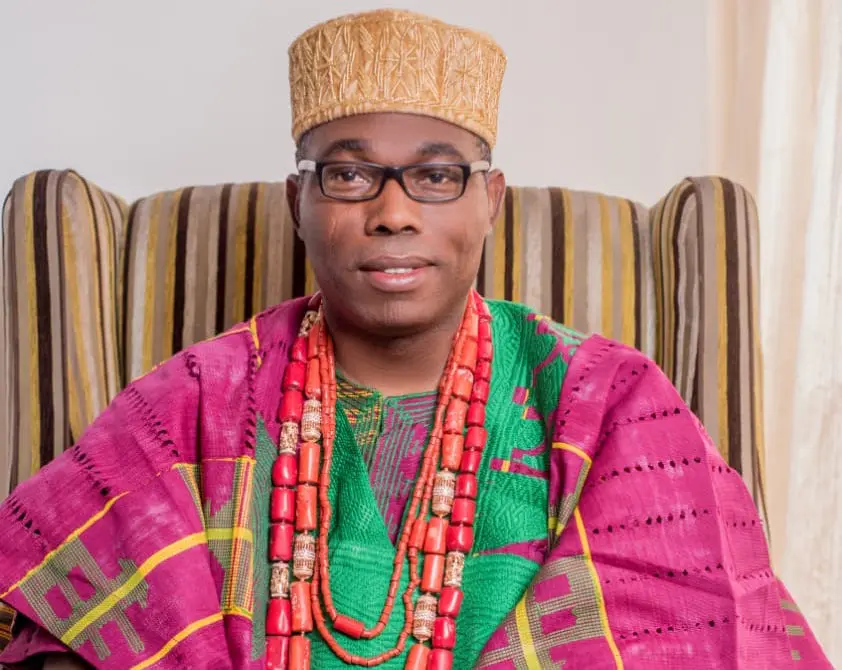
former presidential candidate, Adebayo, has slammed President Bola Tinubu’s team for being uncoordinated and suffering from economic illiteracy. Adebayo’s remarks come amid mounting concerns over Nigeria’s economic challenges, including rising inflation, unemployment, and the national debt crisis. According to Adebayo, the administration’s approach to addressing the country’s economic issues is disjointed and lacks the coherence needed for sustainable growth.
Adebayo, who ran for president during the 2023 elections, has been vocal about the state of Nigeria’s economy and the management of national resources. His criticism of the current government points to what he describes as poor policy planning, inconsistent execution, and a lack of strategic economic direction. In an interview, Adebayo emphasized that without a clear, coordinated approach, Nigeria’s economy would continue to suffer under the weight of ineffective policies.
Uncoordinated Approach
One of the key points Adebayo raised in his criticism of Tinubu’s government is the lack of coordination among key economic players. He argued that different arms of the government, including the Ministry of Finance, Central Bank, and the National Assembly, often appear to be working in isolation. This disjointed approach, he claims, undermines the ability to implement effective economic policies and hinders Nigeria’s ability to address its pressing economic challenges.
Adebayo noted that economic policy should be a collaborative effort between various institutions, but there appears to be a lack of synergy among the key players in Nigeria’s government. He specifically pointed to the inconsistency in the government’s approach to foreign exchange policies, inflation control, and fiscal discipline. The absence of a unified plan, Adebayo argued, only deepens Nigeria’s economic woes and creates confusion within the financial markets.
Economic Illiteracy
Another major criticism from Adebayo revolves around what he describes as “economic illiteracy” within the administration. He believes that some members of President Tinubu’s team are either ill-equipped or poorly informed when it comes to managing complex economic issues. This, he claims, has led to ineffective decisions, which in turn have worsened the economic situation in Nigeria.
Adebayo particularly pointed out the government’s handling of Nigeria’s foreign exchange policies and the removal of fuel subsidies. He argues that decisions were made without a proper understanding of their long-term implications on the economy. For instance, the removal of fuel subsidies was a highly contentious issue, with critics claiming that the move could cause further hardship for the Nigerian populace, especially with the already high cost of living. Adebayo suggested that a better understanding of economics could have led to a more gradual approach or better mitigation measures for the population.
He further criticized the administration for failing to effectively manage inflation, which has spiraled out of control in recent months. According to Adebayo, inflation continues to erode the purchasing power of Nigerians, and the government’s economic strategies seem inadequate to contain it. He emphasized that a lack of robust economic planning, coupled with poor implementation, has exacerbated inflationary pressures and is pushing more Nigerians into poverty.
Policy Inconsistencies
In his remarks, Adebayo also pointed to policy inconsistencies as a significant problem under the current administration. The frequent changes in economic policy, such as fluctuating tax regulations, shifting foreign exchange rules, and unpredictable fiscal decisions, have created a climate of uncertainty. Adebayo believes that the government’s failure to provide a stable policy environment has discouraged both local and foreign investments, further stalling economic growth.
Adebayo highlighted that businesses, particularly small and medium enterprises, are struggling to cope with the unpredictable nature of the country’s economic policies. He called for a more stable and transparent approach to policy-making, one that would instill confidence in investors and entrepreneurs. Without such an environment, Adebayo fears that Nigeria’s economic growth will continue to be stifled.
A Call for Reform
Adebayo’s comments serve as a call to action for the administration to take a more serious and informed approach to economic management. He urged President Tinubu and his team to invest in building economic expertise within the government and to focus on developing clear, long-term strategies to address the country’s fiscal and monetary challenges.
The former presidential candidate also suggested that the administration should seek advice and guidance from qualified economists and financial experts to improve the quality of decision-making at all levels of government. According to Adebayo, this is crucial if Nigeria is to overcome the current economic crisis and set itself on a path toward sustainable development.
Additionally, Adebayo emphasized the importance of involving the private sector in policy formulation, as he believes that collaboration between the public and private sectors is essential for driving economic growth. By working together, Adebayo believes that Nigeria can unlock its vast economic potential and create a more stable and prosperous environment for its citizens.
Public Reaction
Adebayo’s statements have sparked widespread debate in the Nigerian political and economic landscape. While some have praised his candid assessment of the administration’s economic policies, others have criticized his remarks as politically motivated. Supporters of President Tinubu have defended the government, arguing that the administration inherited a difficult economic situation and has taken necessary steps to address Nigeria’s structural challenges.
However, critics of the government agree with Adebayo’s assessment of the country’s economic situation. Many have pointed out that the lack of clear communication and coordination within the government is contributing to a sense of instability, both within the country and abroad. The criticisms also underscore growing concerns about the future of Nigeria’s economy and whether the current administration is prepared to make the difficult decisions needed to address long-standing issues.
Adebayo’s criticism of Tinubu’s government is a stark reminder of the challenges that Nigeria’s economy faces. The former presidential candidate’s observations on uncoordinated policies and economic illiteracy highlight the urgent need for more effective economic governance in the country. While some may disagree with his approach, his call for better economic expertise and more coherent policies is a crucial point that should not be overlooked. As Nigeria continues to face mounting economic difficulties, it is clear that the government must reassess its approach to policy-making and work towards creating a more stable and predictable environment for businesses and citizens alike. Without a coordinated, informed strategy, Nigeria may struggle to overcome its current economic challenges and build a sustainable future.



Responses