Adebayo Blasts Tinubu: “He Sees Nigerians as Customers, Not Citizens — Soon He’ll Tax the Air We Breathe”

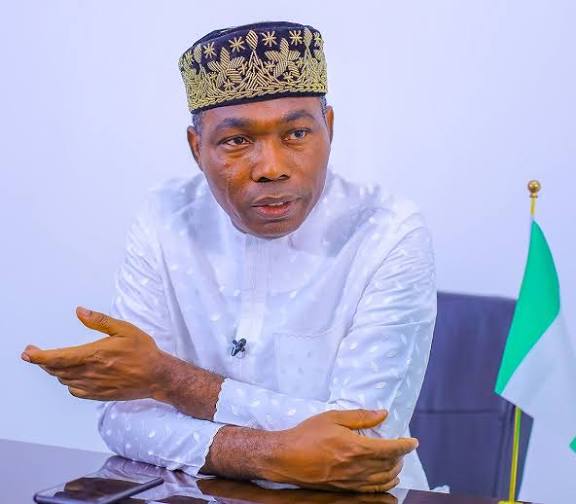
In a fiery critique that has ignited political debate across Nigeria, Prince Adewole Adebayo, the 2023 presidential candidate of the Social Democratic Party (SDP), has condemned President Bola Ahmed Tinubu’s latest fiscal policy — the 15% import duty on refined petroleum products — describing it as an “anti-people decision” and a reflection of a government more interested in extracting revenue than improving citizens’ lives.
Speaking during an appearance on Channels Television’s Politics Today on Thursday, Adebayo accused President Tinubu of turning governance into a tax-collection enterprise rather than a developmental project.
“President Tinubu is a clever tax collector,” Adebayo declared. “He wants to collect taxes from you for everything — just give him time, and he will get to the air we breathe. Oxygen tax is coming soon.”
Adebayo’s remarks came amid growing criticism of the administration’s economic policies, which many Nigerians believe have worsened inflation, increased the cost of living, and deepened poverty. Since removing fuel subsidies and unifying the naira exchange rate, Tinubu’s government has rolled out a wave of new taxes, tariffs, and levies — measures it claims are necessary for fiscal stability, but which critics say are choking an already struggling populace.
“Tinubu Has Forgotten the People”
Adebayo expressed disappointment at what he called the “new Tinubu” — contrasting the president’s current policies with the progressive ideals he once championed during Nigeria’s pro-democracy struggle in the 1990s.
“The Tinubu that used to follow MKO Abiola during the Hope ’93 campaign believed in empowering citizens. Today’s Tinubu sees you as a customer, not a citizen,” Adebayo said.
“If you have twins, he will probably think of introducing a twins tax. If you have triplets, maybe a multiple childbirth levy. His only focus is how to collect more money from Nigerians.”
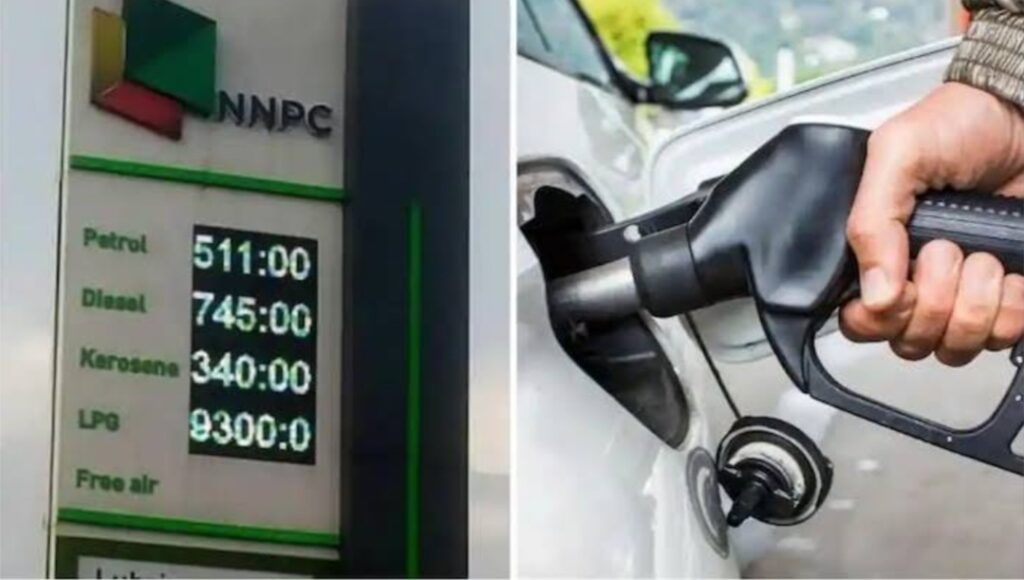
He argued that the 15% import duty would directly translate into higher petrol prices for consumers, who are already grappling with skyrocketing transport fares and food prices.
“If you add 15% tariff on imported fuel, who pays for it? The man buying petrol at the filling station,” Adebayo noted. “This policy will only worsen the hardship of ordinary Nigerians.”
“Fix the Refineries Before Taxing Citizens”
Adebayo further blamed the government’s failure to fix Nigeria’s refineries as the root cause of the country’s fuel import crisis. Despite billions of naira spent on turnaround maintenance, none of Nigeria’s four state-owned refineries are fully functional.
“You are the reason why we are importing fuel,” Adebayo said, addressing the president directly. “You appointed yourself Minister of Petroleum, spent billions on maintenance, and still, the refineries are not working. Now you’re punishing citizens for your inefficiency.”
He urged Tinubu to prioritize local refining and energy independence rather than imposing more taxes.
“What he should do is call Heineken Lokpobiri and Bayo Ojulari and say, ‘I want these refineries working in six months.’ That’s how to lead — not by taxing citizens for failures they didn’t cause.”
Government’s Justification and Public Reaction
The federal government, through the Federal Inland Revenue Service (FIRS) and the Nigerian Midstream and Downstream Petroleum Regulatory Authority (NMDPRA), has defended the policy as part of a “market-responsive import framework.” The 15% import duty, officials say, will protect local refiners, particularly the Dangote Refinery, and help stabilize the downstream sector.
However, economic analysts and opposition figures warn that the decision could raise pump prices even further, leading to another round of inflation. Nigeria currently imports over 60% of its petrol consumption, despite the partial operation of the 650,000-barrel-per-day Dangote Refinery.
Public reactions have been divided. While some citizens support taxation as a necessary means to fund national development, many others see it as a symptom of misplaced priorities. Online, Nigerians flooded social media with sarcastic memes about the possibility of a “breathing tax,” echoing Adebayo’s warning.
One commentator wrote:
“Tinubu has turned Nigeria into a business. We are no longer citizens — we are paying customers in a country shop.”
Another added:
“Taxation itself isn’t bad, but when people can’t see what their taxes are used for — roads, hospitals, jobs — it becomes exploitation, not governance.”
The Bigger Question
As Adebayo’s comments gain traction, a deeper national conversation is emerging: Can Nigeria truly tax its way to prosperity? Critics argue that while taxation sustains advanced economies, Nigeria lacks the transparency, infrastructure, and accountability to make such a system work.
“You can’t tax poverty into prosperity,” Adebayo concluded. “Until this government starts fixing what’s broken — refineries, education, jobs — taxation will remain punishment, not policy.”
With inflation climbing, wages stagnant, and fuel costs surging, Adebayo’s warning resonates with many Nigerians who feel overburdened and underrepresented.
His message, though wrapped in satire, captures a growing sentiment among citizens: the state should serve its people, not sell to them.


Responses