Tony Elumelu Backs FX Reforms After Meeting Bola Ahmed Tinubu


Chairman of the United Bank for Africa (UBA), Tony Elumelu, has declared that Nigeria’s foreign exchange (FX) crisis is effectively over, stating that the market is now stable and predictable following reforms introduced by the Central Bank of Nigeria (CBN).
Elumelu made the remarks after meeting President Bola Ahmed Tinubu at the Presidential Villa in Abuja. Addressing State House correspondents, the billionaire banker said businesses are no longer struggling to access dollars — a challenge that previously dominated conversations in Nigeria’s financial sector.
“There was a time when seven out of ten calls I received were about foreign exchange access,” Elumelu said. “Today, you hardly get any calls about FX. That market is totally sorted.”
Cardoso’s CBN Reforms Credited
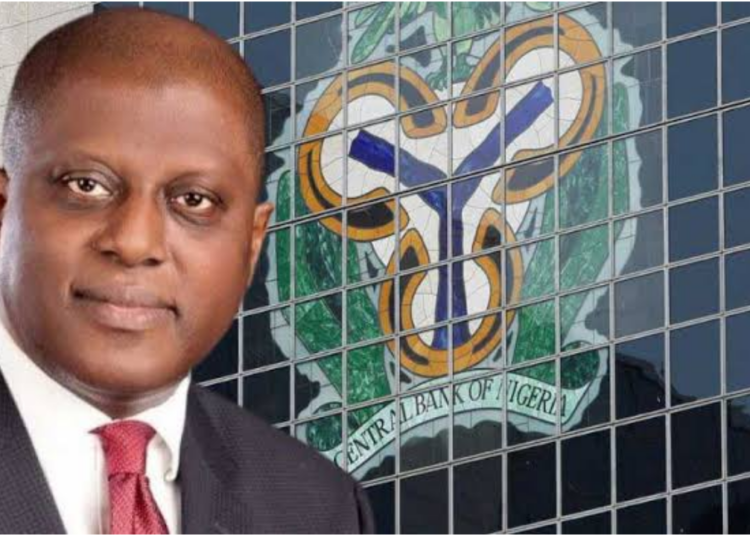
Elumelu credited the leadership of CBN Governor Olayemi Cardoso for restoring confidence in the financial system. Since assuming office in September 2023, Cardoso has overseen sweeping changes aimed at liberalizing and stabilizing the FX market.
Among the key reforms:
-
Unification of multiple exchange rate windows
-
Adoption of a willing-buyer, willing-seller model
-
Clearance of a reported $7 billion FX backlog
-
Introduction of the Electronic Foreign Exchange Matching System to improve transparency
-
Strengthening of Nigeria’s external reserves
Nigeria’s foreign reserves have reportedly risen from about $33.6 billion in October 2023 to over $43 billion in 2025, according to CBN data.
Elumelu praised President Tinubu for providing the political backing necessary for the central bank to implement reforms.
“What is important in an economy is predictability,” he said. “When you can predict direction, you can plan. The President should be commended for creating that enabling space.”
Mixed Public Reactions
However, Elumelu’s comments have sparked intense debate among Nigerians, particularly on online forums.
Supporters argue that FX unification and market-driven pricing were long overdue and that previous exchange rates — such as the N460 per dollar level — were artificially subsidized and unsustainable. They point to reduced volatility in recent months as evidence of stability.
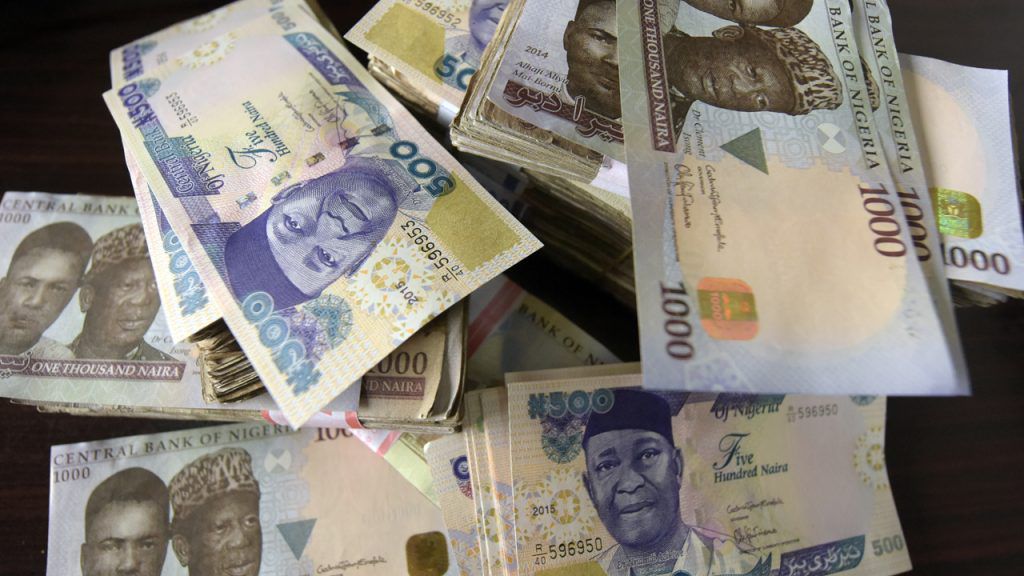
Critics, however, counter that while dollar availability may have improved, the naira’s depreciation — which saw it move beyond N1,400 to the dollar at one point — significantly eroded purchasing power. They argue that “liquidity is not value,” stressing that currency stability after a sharp devaluation does not automatically translate into economic relief for households.
Some also contend that relief in FX demand has been influenced by structural shifts such as domestic refining capacity expansion, rather than monetary reforms alone.
Broader Economic Context
Nigeria’s FX challenges in recent years were driven by multiple factors, including declining oil revenues, FX backlogs, capital flight, and distortions from multiple exchange rate systems.
The current administration has framed its reforms as necessary short-term pain for long-term stability, while opponents describe the transition as excessively harsh on citizens and small businesses.
Power Sector Concerns
Beyond FX issues, Elumelu also urged the Federal Government to accelerate payment of debts owed to power-generating companies, stressing that improved electricity supply remains critical for sustainable economic growth.
“Access to electricity is fundamental,” he said. “Supporting the power sector will help unlock broader economic productivity.”




Responses