US–Iran Tensions Could Disrupt African Maritime Trade – SEREC

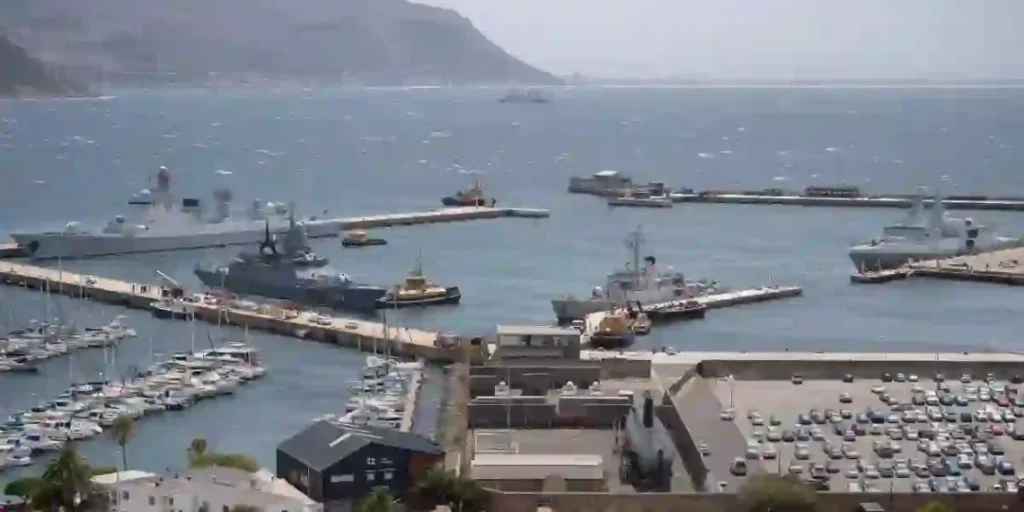
The Sea Empowerment and Research Center (SEREC) has raised concerns that the growing geopolitical tensions between the United States and Iran could have serious economic and security implications for African maritime nations.
In a statement issued by the maritime policy research organisation, SEREC warned that the escalating confrontation between the two countries may disrupt global trade routes and create economic shocks for countries across Africa, particularly those heavily dependent on imports.
The communiqué, signed by SEREC’s Head of Research Eugene Nweke, stated that rising geopolitical tensions could drive up global oil prices and shipping costs. According to the organisation, such developments may trigger higher fuel and food inflation in African economies already grappling with economic pressures.
Nweke explained that instability in the Middle East often causes volatility in global energy markets. If the confrontation between Washington and Tehran continues or escalates, it could lead to significant fluctuations in crude oil prices, increased freight costs for shipping companies, and higher war-risk insurance premiums for vessels operating in sensitive maritime regions.
These factors, he noted, could intensify inflationary pressures across several African countries while also putting additional strain on local currencies. As import bills rise, many African nations could experience further depreciation of their currencies, making goods and services even more expensive for citizens.
SEREC also warned that maritime security could deteriorate if tensions between the two countries escalate into broader conflict. Strategic shipping routes that connect global energy suppliers to markets in Europe, Asia, and Africa could become unstable or heavily militarized.
As a result, the organisation advised African coastal states to strengthen maritime security and naval cooperation, especially within the Gulf of Guinea, one of the world’s most important maritime corridors for trade and energy transportation.
The research centre urged Nigeria and other regional partners to take proactive steps to reduce vulnerability to external shocks. One key recommendation was that governments should channel potential oil windfall revenues into economic stabilization strategies and infrastructure development rather than expanding recurrent government spending.
In addition, the organisation recommended that Nigeria should ensure steady crude supply to domestic refineries while improving maritime surveillance and security operations across its coastal waters.
SEREC also highlighted the importance of expanding strategic petroleum reserves across African countries. According to the centre, maintaining larger reserves could help cushion economies against sudden spikes in global energy prices caused by geopolitical crises.
Another major recommendation was the need to deepen regional trade integration within Africa. By strengthening intra-African trade networks and reducing dependence on long international shipping routes, African economies could become more resilient during global disruptions.
The centre also emphasized the importance of improving domestic refining capacity, which would reduce reliance on imported refined petroleum products and help stabilize local fuel markets.
SEREC noted that Nigeria’s economic resilience will depend on a combination of factors, including sound fiscal management, diversified trade partnerships, stronger maritime competitiveness, and improved industrial infrastructure.
The statement further cautioned that without coordinated policy action, the stabilizing potential of major refining projects such as the Dangote Refinery could be weakened.
According to the organisation, global geopolitical tensions should serve as a reminder for African governments to prioritize economic diversification and maritime preparedness.
“The US–Iran confrontation goes beyond a geopolitical dispute,” the statement concluded. “It represents a major stress test for global trade and maritime systems. Nigeria’s resilience will depend on prudent fiscal discipline, stronger maritime cooperation, and strategic investments in domestic infrastructure.”
Analysts say that while the direct conflict may occur thousands of kilometres away from Africa, the ripple effects on energy prices, shipping logistics, and currency stability could be felt across the continent if tensions continue to escalate.




Responses