Can Jackfruit Thrive in Nigeria? Farmers and Residents Share Their Experiences

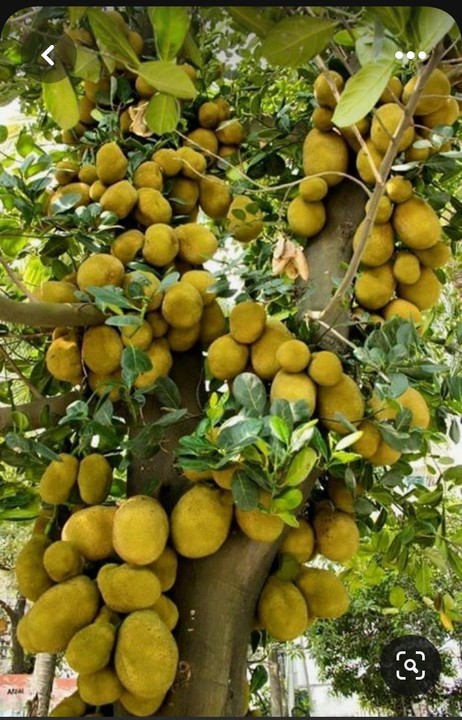
In recent years, interest in exotic and lesser-known tropical fruits has increased across Nigeria, especially as more people explore alternative crops, nutritional options, and the expanding global fruit market. One fruit that has captured new curiosity is jackfruit—a massive, sweet, and aromatic tropical fruit widely grown in South and Southeast Asia. After learning about its taste and versatility, a Nigerian enthusiast posed a question that many others have wondered: Can jackfruit be successfully grown in Nigeria?
Surprisingly to some, the answer from experienced farmers and residents across the country is a resounding yes.
Although jackfruit is not as widely recognized or consumed in Nigeria as mango, pawpaw, or breadfruit, it is far from a foreign species. In fact, people living in the South–South, South–East, and some parts of the South–West report that jackfruit trees have existed in their communities for decades. According to several residents of Akwa Ibom, Cross River, Rivers, and parts of Delta State, the fruit grows naturally in backyards, farmland, and even near major roads. One contributor explained that he purchased fresh jackfruit directly from farmers during a trip to Akwa Ibom, noting that the fruit is locally known in some Efik-speaking areas as “eto fig.” Others from the East claimed that locals there casually refer to the jackfruit tree as sycamore, though this name can vary among communities.
Yet despite its presence, many Nigerians remain unfamiliar with the fruit. One key reason is limited market visibility. Unlike popular fruits such as oranges or pineapples, jackfruit is rarely sold in large city markets because it poses storage and transportation challenges. Once harvested, it begins to soften quickly and attracts insects, ants, and bats—making it difficult for sellers to transport over long distances without significant spoilage. Even refrigeration only extends its freshness for a week or two. As a result, jackfruit tends to be enjoyed mainly where it is grown, explaining why many people in other regions, especially the Southeast, may have never encountered it.
Another point of confusion concerns the relationship between jackfruit and breadfruit, known in Igbo communities as ukwa. Though both belong to the mulberry family (Moraceae), they are different fruits. Breadfruit is rounder, lighter, and starchier, while jackfruit is larger, heavier, and characterized by its intensely sweet, aromatic pods. Some online videos mistakenly equate the two, contributing to public misunderstanding, but farmers with firsthand experience clarify that jackfruit and breadfruit are distinct.
Farmers who cultivate jackfruit confirm that it grows exceptionally well in Nigeria’s climate. The tree thrives in warm, humid environments with rich soil—conditions that many southern states naturally provide. According to one grower, a jackfruit tree can begin fruiting within three to four years, depending on soil fertility, rainfall, and care. Others noted that the tree often grows alongside soursop, another tropical fruit common in Nigerian backyards.
Because the fruit is large, nutritious, and versatile—used in snacks, desserts, natural sweeteners, and even as a meat substitute in vegetarian dishes—many commentators believe Nigeria could benefit from expanding its local cultivation. They argue that increased awareness, better preservation techniques, and improved agri-processing could help reduce food scarcity, improve nutrition, and create new income streams for farmers.
Ultimately, while jackfruit may be relatively unknown to many Nigerians, the evidence is clear: it not only grows in Nigeria but already thrives in several regions. The challenge now lies in building awareness, improving distribution, and encouraging more people to plant and enjoy this remarkable fruit.





Responses