EFCC Arrests Three Suspected Vote Buyers in Anambra During Governorship Election

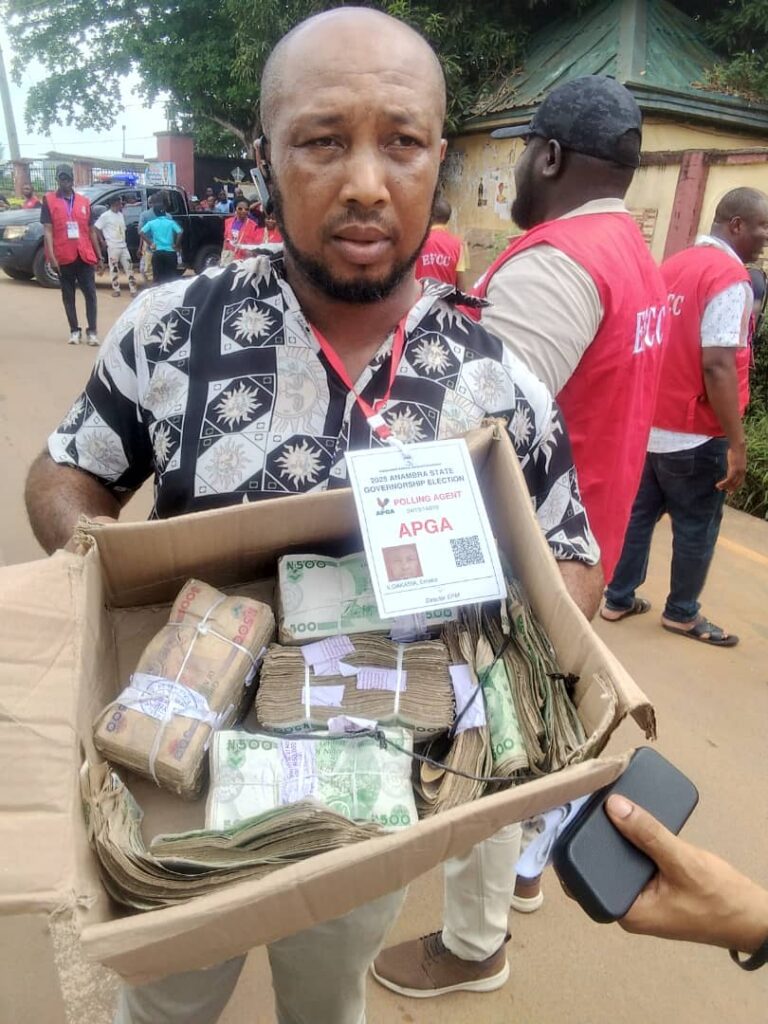
The Economic and Financial Crimes Commission (EFCC) has confirmed the arrest of three individuals suspected of engaging in vote buying during the Anambra governorship election held on Saturday, November 8, 2025. The arrests, which took place in different parts of the state, mark another step in the EFCC’s ongoing effort to curb electoral malpractice and safeguard Nigeria’s democratic process.
According to an official statement from the EFCC, the suspects were apprehended by operatives deployed to monitor election activities across Anambra. The individuals arrested include Emeka Ilokasia, who was nabbed at Ward 2, Njikoka Local Government Area; Nwachukwu Loretta, apprehended at Ward 2 (008), Awkuzu, Oyi Local Government Area; and Emuka Chuwudi, who was arrested at Umunachi Village, Dunukofia Local Government Area.
The EFCC stated that the arrests were made after its monitoring teams observed suspicious movements and interactions suggesting the exchange of cash for votes. The suspects were reportedly caught in possession of envelopes and other materials believed to be used to induce voters.
A spokesperson for the commission confirmed that the suspects are currently in custody and will be charged to court upon completion of investigations. The EFCC reiterated its commitment to ensuring that electoral processes in Nigeria are free from financial inducement and voter manipulation, emphasizing that vote buying is a major threat to democracy and governance.
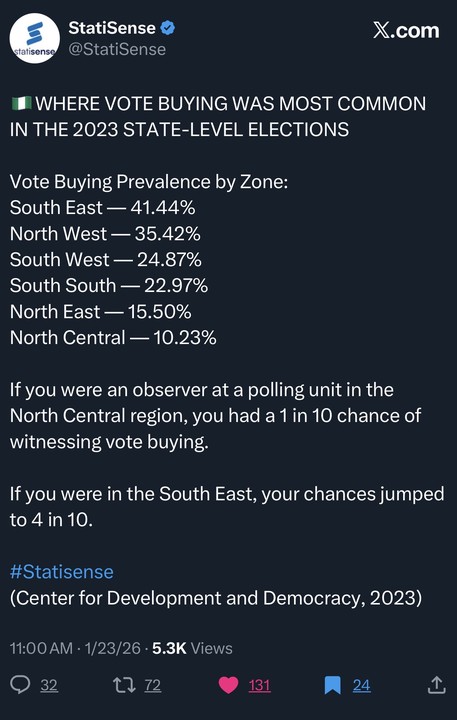
Vote buying has become a recurring issue during elections in Nigeria, undermining the credibility of results and eroding public confidence in the electoral system. Despite continuous awareness campaigns by the Independent National Electoral Commission (INEC), security agencies, and civil society organizations, the practice remains rampant, often facilitated by political agents and party representatives.
While the EFCC’s intervention was widely commended by some Nigerians, others expressed skepticism about whether the arrests would lead to meaningful prosecution. On social media and public forums, citizens voiced mixed reactions. Some hailed the move as a “step in the right direction,” praising the agency for acting swiftly to deter malpractice.
A user identified as John4B remarked that one of the suspects allegedly worked for a political party, describing the arrest as “very good.” However, others expressed deep frustration over the recurring nature of electoral corruption. One user, Shawarmagirl, lamented that “Nigerians should not waste their precious time to vote” if elections continue to be influenced by money, claiming that “the votes will not count.”
Another commentator, Zionmdde, took a cynical view, suggesting that if voters willingly sell their future, “vote buying should be legalized.” Others made light of the situation, humorously referring to reports that voters were allegedly offered snacks such as Gala sausage rolls and malt drinks in exchange for votes — a reflection of the desperate and sometimes absurd lengths to which vote traders go during elections.
Despite the humor, the issue remains serious. Critics argue that the persistent failure to prosecute offenders emboldens others to continue engaging in vote buying. As one commenter, IJAYA001, noted, “Impunity is the problem we are having against vote buying in Nigeria. Just wait and watch those people they arrested — nothing will happen to them.”
The EFCC has, however, vowed that this time will be different. The commission stated that it will pursue the matter diligently and ensure that those found guilty face the full weight of the law. Observers believe that consistent enforcement and visible punishment for offenders will be necessary to curb the menace and restore trust in Nigeria’s democratic institutions.
As investigations continue, the arrests in Anambra serve as a reminder that the fight against electoral corruption requires the cooperation of all — security agencies, electoral bodies, political actors, and the electorate themselves. Without a collective commitment to integrity, the cycle of vote buying and electoral manipulation may continue to undermine the nation’s progress.




Responses