FG to save N640bn for choosing concrete over asphalt for Abuja-Kano road


The Nigerian Federal Government is set to save approximately N640 billion in the construction of the Abuja-Kano road by opting for concrete over traditional asphalt as the primary material for the road’s resurfacing. This decision has sparked significant discussion, with officials claiming that the shift to concrete will provide substantial long-term economic benefits while improving the road’s durability and reducing maintenance costs.
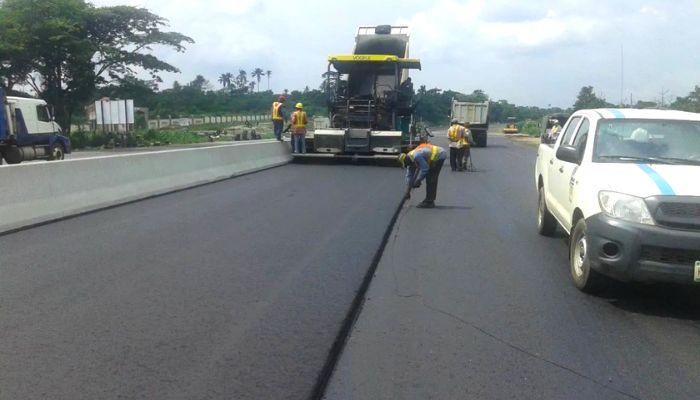
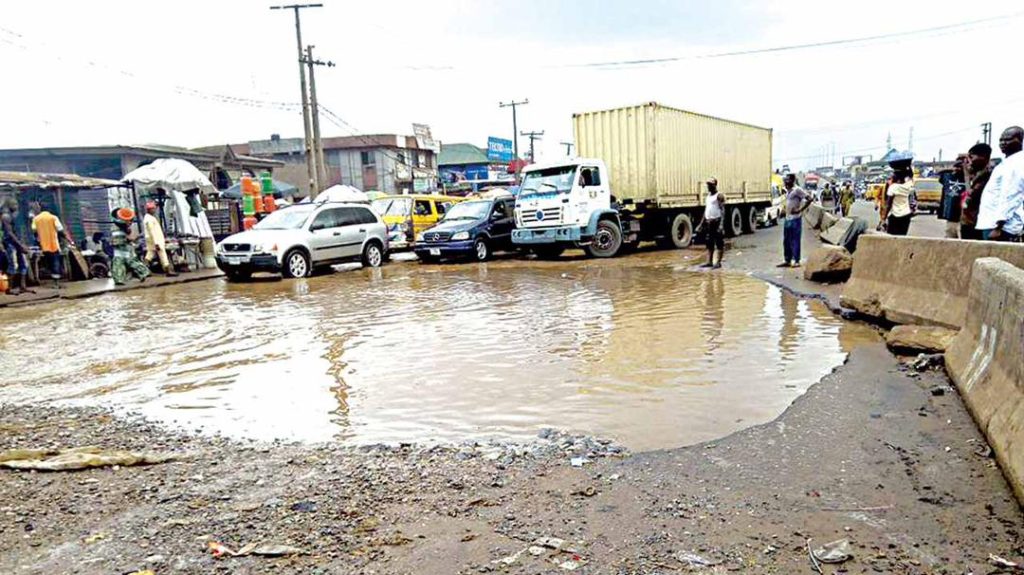
The Abuja-Kano road is one of the country’s most important transportation routes, linking the Federal Capital Territory (FCT) with the northern region. It serves as a major highway for both passenger and freight traffic and is critical to economic activities in the region. However, the road has faced ongoing challenges related to its maintenance, including frequent repairs due to the deteriorating condition of its asphalt surface. The choice to use concrete for the reconstruction is seen as a strategic move to address these challenges and create a more sustainable, cost-effective solution.
The Concrete Solution
The decision to replace asphalt with concrete is rooted in its long-term durability and cost-effectiveness. Concrete roads are known for their strength and ability to withstand harsh weather conditions, heavy traffic, and the wear and tear that typically affects asphalt roads. While asphalt requires regular resurfacing and repairs, concrete is less prone to cracks and potholes, leading to fewer maintenance interventions over time. This is expected to translate into significant savings for the government in the years to come.
According to officials from the Ministry of Works and Housing, the decision to use concrete will result in a substantial reduction in the total life-cycle cost of the road. The N640 billion figure represents the projected savings that the government will achieve by not having to carry out frequent repairs and resurfacing, which are often needed for asphalt roads. By investing in concrete now, the government is aiming to reduce the long-term financial burden on taxpayers and allocate resources to other critical infrastructure projects.
Economic and Environmental Impact
The shift to concrete also has broader economic implications. The reduction in maintenance costs will free up funds that can be channeled into other development projects across the country, supporting the growth of other vital infrastructure. Additionally, concrete roads generally have a longer lifespan compared to asphalt, reducing the frequency of roadwork disruptions and minimizing the impact on local economies. This is particularly important for the Abuja-Kano road, which is a major corridor for the transport of goods, contributing significantly to trade and commerce between the FCT and northern Nigeria.
From an environmental perspective, concrete is also considered a more sustainable option. Unlike asphalt, which requires frequent resurfacing and has a limited lifespan, concrete roads have the potential to reduce the overall carbon footprint of road construction. The use of concrete is expected to reduce the need for constant production and transportation of asphalt, thus lowering emissions associated with road maintenance.
Furthermore, the durability of concrete roads helps to minimize the environmental damage caused by frequent repairs and resurfacing activities, which often involve heavy machinery and the disposal of old materials. By opting for a longer-lasting solution, the government is aligning its infrastructure policies with sustainable development goals.
Challenges and Concerns
Despite the potential benefits, the decision to use concrete has not been without its critics. Some stakeholders have raised concerns about the initial cost of concrete, which is typically more expensive than asphalt in terms of upfront investment. While the long-term savings are expected to outweigh these initial costs, critics argue that the higher upfront expenditure could strain the government’s budget, particularly in the context of other competing infrastructure needs across the country.
Additionally, there are concerns about the impact of concrete on road safety. Some experts argue that concrete roads can be more slippery when wet, which could increase the risk of accidents, particularly in areas prone to heavy rainfall. However, proponents of the decision counter these concerns by pointing to advancements in road design and materials that can mitigate such risks, such as textured concrete surfaces that enhance grip and traction.
Another challenge lies in the logistics of transporting and laying concrete on such a large scale. Concrete requires precise mixing and curing conditions, and the process of constructing a concrete road is more complex than that of an asphalt road. This could potentially lead to delays in the project timeline, although the government has expressed confidence in the capacity of local contractors to handle the task efficiently.
Political and Public Reactions
The decision has also sparked political debate, with some opposition figures questioning the government’s ability to execute such a large-scale project effectively. Critics have pointed to previous instances where road construction projects have faced delays, cost overruns, and allegations of corruption. However, government officials have defended the concrete choice, asserting that the long-term savings and improved road conditions will ultimately benefit the country.
Public reaction to the decision has been largely positive, with many Nigerians welcoming the move to prioritize long-term infrastructure sustainability over short-term fixes. The Abuja-Kano road is a crucial artery for economic activities, and the improvement of this highway is seen as an important step in enhancing transportation efficiency across the country. Many Nigerians hope that the use of concrete will set a precedent for future road projects, ensuring that other critical roads across the country benefit from similar long-term solutions.
The decision by the Nigerian government to use concrete for the reconstruction of the Abuja-Kano road represents a significant shift in the country’s approach to infrastructure development. By opting for concrete over asphalt, the government is taking a bold step toward creating more durable, cost-effective roads that will save the country billions in maintenance costs over the long term. While there are challenges to overcome in terms of initial costs and construction logistics, the move has the potential to set a new standard for road construction in Nigeria, improving the country’s infrastructure, supporting economic growth, and benefiting future generations. If successful, the Abuja-Kano concrete road project could become a model for similar initiatives across the country.



Responses