
The Hyprep Skill Training Program 2026 registration is expected to attract many applicants from communities affected by environmental pollution in Ogoniland. Every year, many people search for information about the registration process, eligibility requirements, available training areas, and how to apply correctly.
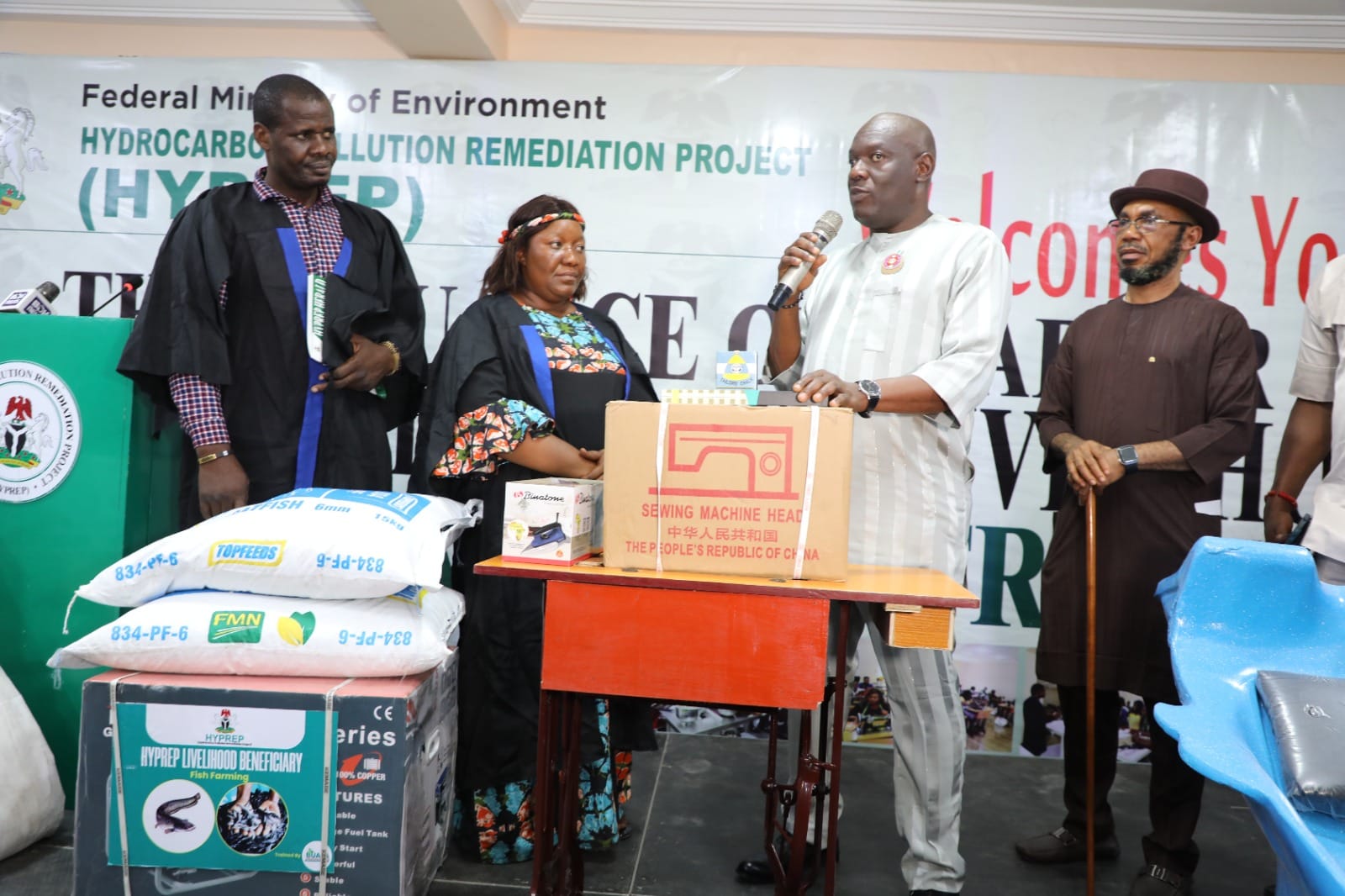
The Hydrocarbon Pollution Remediation Project, commonly known as Hyprep, is a Federal Government initiative established to support the environmental restoration of Ogoniland while creating economic opportunities for local residents. One of its major activities is providing vocational and entrepreneurial training to qualified beneficiaries.
If you want to know how the Hyprep Skill Training Program works, who can apply, the documents you may need, and what happens after registration, this guide explains everything.
What Is the Hyprep Skill Training Program?
The Hyprep Skill Training Program is an empowerment initiative that helps eligible residents learn practical skills that can improve their chances of employment or self employment.
The program focuses on building technical, vocational, and business skills through structured training. Participants receive professional instruction in different trades depending on the opportunities available during each registration cycle.
The overall goal is to improve livelihoods while supporting the long term development of communities in Ogoniland.
What Is Hyprep?
Hyprep stands for Hydrocarbon Pollution Remediation Project.
It was established by the Federal Government of Nigeria to implement recommendations for the cleanup and restoration of areas affected by oil pollution in Ogoniland.
Apart from environmental restoration, Hyprep also invests in community development through education, health, infrastructure, livelihood support, and vocational skills training.
The skills training program forms an important part of this broader community development effort.
Purpose of the Skill Training Program
The training program aims to provide practical knowledge that participants can use to earn a living.
Its objectives include:
- Developing technical and vocational skills.
- Supporting youth employment.
- Encouraging entrepreneurship.
- Reducing unemployment.
- Improving household income.
- Building local capacity for sustainable development.
- Promoting economic growth within affected communities.
These objectives make the program beneficial for both individuals and their communities.
Who Can Apply?
Although official requirements may vary for each registration exercise, applicants are generally expected to meet basic eligibility conditions.
Applicants are often expected to:
- Be from eligible Ogoni communities.
- Meet the required age criteria if specified.
- Have valid means of identification.
- Provide accurate personal information.
- Meet any educational requirements listed for specific training areas.
- Complete the registration process correctly.
Applicants should always read every instruction carefully before submitting an application.
Communities That May Benefit
The program primarily targets people from Ogoniland in Rivers State.
Beneficiaries are usually selected from communities within the affected local government areas.
These include communities in:
- Eleme
- Gokana
- Khana
- Tai
Specific communities or quotas may be announced during the registration period.
Available Skill Training Areas
The exact training courses may differ each year depending on community needs and available funding.
Common vocational and technical skills offered under similar empowerment programs include:
Information Technology
Participants may receive training in computer operations, digital literacy, software applications, graphic design, web development, or other digital skills.
Welding and Fabrication
This area teaches metal work, fabrication techniques, equipment handling, and workplace safety.
Electrical Installation
Participants learn electrical wiring, installation, maintenance, fault diagnosis, and safety procedures.
Plumbing
This training covers water systems, pipe installation, repairs, maintenance, and sanitation systems.
Fashion Design
Participants learn garment making, sewing techniques, pattern drafting, and clothing production.
Hairdressing and Beauty Services
This area teaches professional hair care, styling, beauty treatments, and salon management.
Catering
Training may include food preparation, baking, catering services, hygiene, and food safety.
Agriculture
Participants may receive instruction in crop farming, livestock production, fish farming, or agribusiness.
Carpentry
This training focuses on furniture production, woodwork, construction techniques, and equipment use.
Automobile Repairs
Participants learn vehicle maintenance, engine repairs, diagnostics, and servicing.
Refrigeration and Air Conditioning
Training includes installation, maintenance, and repair of cooling systems.
Renewable Energy
Some training sessions may introduce participants to solar power installation and maintenance.
The available courses may change from one registration cycle to another.
Benefits of Participating
The Hyprep Skill Training Program offers several potential benefits.
Participants may gain:
- Practical vocational skills.
- Professional training.
- Industry relevant knowledge.
- Entrepreneurial experience.
- Better employment opportunities.
- Improved confidence.
- Business management knowledge.
- Opportunities for economic growth.
The exact benefits depend on the specific training program announced for each year.
Documents You May Need
Applicants should prepare important documents before registration begins.
These may include:
- Passport photograph.
- National Identification Number.
- National identity card or other valid identification.
- Birth certificate or age declaration where required.
- Educational certificates if applicable.
- Proof of residence.
- Community identification letter if requested.
- Phone number.
- Email address where applicable.
Having these documents ready can help reduce delays during registration.
How to Register for the Hyprep Skill Training Program 2026
The official registration process may vary slightly depending on the announcement made for the 2026 exercise.
The general process usually includes the following steps.
Step One
Wait for the official registration announcement.
Applicants should only register when the application portal is officially open.
Step Two
Read all eligibility requirements carefully.
Understanding the requirements helps applicants avoid mistakes.
Step Three
Complete the registration form.
Enter your personal information exactly as it appears on your official documents.
Step Four
Select your preferred training area if required.
Choose a skill that matches your interests, qualifications, and future career plans.
Step Five
Upload the required documents.
Ensure all uploaded files are clear and readable.
Step Six
Review your application carefully.
Check names, dates, contact details, and uploaded documents before submission.
Step Seven
Submit the application.
Keep any confirmation details provided after successful registration.
Tips for Completing Your Registration
Many applications are delayed because of avoidable mistakes.
You can improve your application by following these simple tips.
Use your correct legal name.
Enter your phone number correctly.
Provide accurate personal information.
Upload clear documents.
Avoid submitting multiple applications.
Read every instruction before clicking the submit button.
Keep copies of your registration details.
Selection Process
Submitting an application does not automatically guarantee selection.
After registration closes, applications are usually reviewed according to the published eligibility requirements.
The selection process may include:
Application screening.
Verification of submitted information.
Document confirmation.
Community verification where applicable.
Final selection of qualified beneficiaries.
Applicants should wait for official communication regarding the outcome of their applications.
Training Duration
The duration of training depends on the specific vocational area.
Some technical programs may last several weeks, while others may continue for several months.
Training schedules are usually communicated to successful applicants before classes begin.
Training Locations
Training may take place at approved vocational centers, technical institutions, or designated training facilities.
The exact locations depend on the skill being offered and available facilities.
Applicants should follow official instructions regarding reporting locations.
Attendance Requirements
Successful participants are generally expected to attend training regularly.
Regular attendance allows participants to complete practical lessons and assessments successfully.
Missing training sessions without valid reasons may affect participation.
Practical Learning
Most vocational programs combine classroom learning with practical experience.
Participants spend time practicing the skills they learn under the supervision of qualified instructors.
This practical approach helps improve competence before completing the training.
Entrepreneurship Support
Many vocational programs include entrepreneurship education.
Participants may learn:
Business planning.
Customer service.
Financial management.
Record keeping.
Marketing basics.
Business growth strategies.
These topics help participants understand how to manage small businesses after completing their training.
Common Mistakes to Avoid
Applicants often make mistakes that may delay processing.
Avoid these common errors.
Providing incorrect personal information.
Uploading unreadable documents.
Using someone else’s identification.
Entering the wrong phone number.
Ignoring eligibility requirements.
Submitting incomplete applications.
Applying after the registration deadline.
Submitting multiple applications.
Reading the official instructions carefully can help prevent these mistakes.
How to Know If Registration Has Started
Many people miss opportunities because they rely on rumors.
Applicants should watch for official announcements regarding:
- Registration opening date.
- Closing date.
- Eligibility requirements.
- Training categories.
- Application procedures.
- Document requirements.
- Selection updates.
Only information released through official channels should be trusted.
What Happens After Training?
After completing the program, participants may use their new skills in different ways.
- Some may seek employment.
- Others may become self employed.
- Some may establish small businesses.
- Others may continue improving their skills through additional training and certifications.
- Success often depends on commitment, continuous learning, and practical application of the skills acquired.
Why Many People Apply
The program continues to attract interest because vocational skills remain valuable in today’s economy.
Practical training can improve employability, support entrepreneurship, and help individuals generate income through skilled work.
For many residents of eligible communities, the program represents an opportunity to learn new skills that may contribute to personal and community development.
In conclusion
The Hyprep Skill Training Program 2026 registration is expected to provide eligible residents of Ogoniland with opportunities to develop practical vocational and entrepreneurial skills.
The Applicants should carefully review all official requirements before applying for the program, prepare the necessary documents, and complete their registration accurately. Providing correct information and following every instruction can improve the application process and reduce avoidable mistakes.
Choosing a training area that matches your interests and long term goals can also help you make the most of the opportunity if selected.
Frequently Asked Questions
1. When will the Hyprep Skill Training Program 2026 registration begin?
The official registration date will be announced by Hyprep. Applicants should wait for the official opening notice before attempting to apply.
2. Is the Hyprep Skill Training Program free?
Eligible beneficiaries are generally not expected to pay an application fee for official Hyprep skills training programs. Applicants should be cautious of anyone requesting payment to process an application.
3. Who is eligible to apply?
The program is mainly designed for qualified residents of eligible Ogoni communities who meet the requirements announced for the registration exercise. Applicants should carefully review the published eligibility criteria before applying.
4. Can I apply for more than one training course?
Unless the official guidelines specifically allow multiple applications, applicants should normally choose one training area that best matches their interests and qualifications.
5. What documents are usually required during registration?
Applicants may be asked to provide identification documents, a passport photograph, National Identification Number, educational certificates where applicable, proof of residence, and other documents listed in the official application guidelines.
6. Does registering guarantee that I will be selected?
No. Completing the registration only means your application will be considered. Selection usually depends on meeting the eligibility requirements, successful verification, available spaces, and other criteria announced during the application process.
???? Stay Empowered with ZOEEB
Join our community for daily updates on jobs, skills, and financial growth opportunities.