Mehdi Hasan’s Tough Interview With Daniel Bwala Sparks Debate on Nigerian Journalism Standards

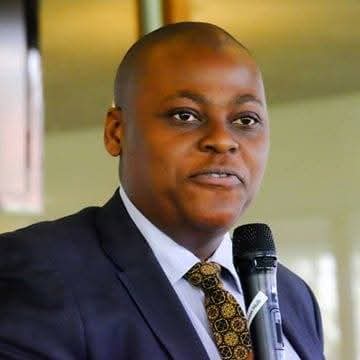
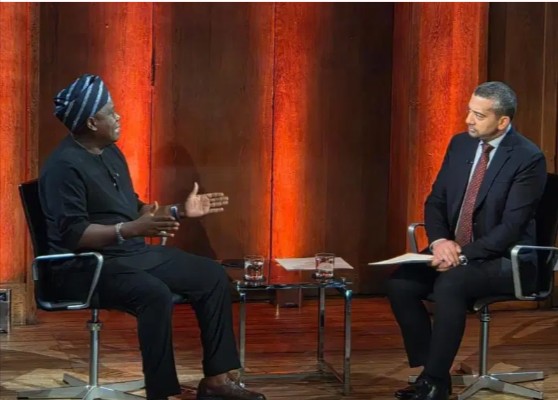
A recent interview between journalist Mehdi Hasan and Nigerian presidential aide Daniel Bwala has sparked widespread debate across Nigeria about journalistic standards, political accountability, and the role of tough questioning in media interviews.
The interview, which quickly went viral on social media, featured Hasan confronting Bwala—currently serving as Special Adviser on Policy Communication to Bola Tinubu—with several past statements in which he had previously criticized the same administration he now defends.
A Confrontational Interview
During the interview, Hasan repeatedly presented video clips and past quotes showing Bwala’s earlier remarks when he was aligned with opposition politics, particularly during his support for former presidential candidate Atiku Abubakar.
At the time, Bwala had been a vocal critic of Tinubu and the ruling All Progressives Congress.
However, when Hasan referenced these past comments, Bwala appeared to deny or downplay them, prompting the journalist to present additional video clips and documented statements.
The repeated presentation of evidence created tense moments in the interview as Hasan pressed Bwala to reconcile his previous criticisms with his current role defending the administration.
Observers described Bwala’s responses as evasive, with the adviser attempting to reframe or distance himself from earlier remarks.
Viral Reaction in Nigeria
Following the interview’s release online, it rapidly spread across Nigerian social media platforms, where it generated thousands of reactions.
Many viewers praised Hasan’s approach, describing it as calm, fact-based journalism that relied on documented evidence rather than emotional argument.
Supporters of this style said the interview demonstrated how politicians can be held accountable by confronting them with their own public records.
Critics of Bwala argued that the exchange exposed contradictions between his past political positions and his current role within the government.
Some commentators also suggested that the interview created an embarrassing moment for the Tinubu administration on the international stage.
Renewed Focus on Rufai Oseni
The viral interview also triggered renewed discussion about Nigerian broadcaster Rufai Oseni, a prominent anchor on Arise News known for his confrontational interview style.
Oseni has often been criticized by some viewers and political figures for aggressively challenging guests during interviews.
However, many Nigerians noted similarities between Hasan’s approach and Oseni’s style, particularly the use of archived video clips, real-time fact-checking, and persistent questioning.
Supporters argued that the viral interview effectively validated Oseni’s methods.
Following the debate, Oseni himself reportedly stated that he felt “vindicated,” suggesting that the same tactics often criticized locally are praised when used by international journalists.
Debate Over Journalism Standards
The incident has reignited a broader conversation about the nature of political journalism in Nigeria.
Some media analysts argue that many Nigerian journalists tend to adopt a softer approach when interviewing political leaders, allowing them to avoid direct accountability.
Others believe that confrontational interviews risk turning serious journalism into political spectacle.
Still, the Hasan-Bwala exchange has strengthened arguments among some commentators that evidence-driven questioning is necessary in order to challenge political narratives and expose inconsistencies.
Broader Media Implications
The discussion surrounding the interview also reflects deeper tensions within Nigeria’s political media landscape.
Some critics say politicians often respond defensively when confronted by journalists at home but behave more cautiously when appearing on international platforms.
Others argue that the difference lies in editorial independence and professional culture between global media organizations and local outlets.
Despite differing opinions, the interview has become one of the most widely discussed political media moments involving Nigeria in recent months.
For many observers, the exchange has served as a case study in the power of archival evidence and persistent questioning in modern journalism.
Whether it represents a turning point for Nigerian journalism remains to be seen, but the debate it has triggered suggests that public expectations around media accountability and political interviews may be evolving.


Responses