Nigeria Invests Over $538 Million to Boost Agro-Industrial Zones


In a bold move to reshape its agricultural landscape and empower the next generation, Nigeria has committed over $538 million to the first phase of a nationwide agro-industrial initiative, while also unveiling a 10-year strategic plan focused on youth-led agricultural transformation. The announcement was made by Vice President Kashim Shettima during a high-level dialogue in Addis Ababa, Ethiopia, as part of the United Nations Food Systems Summit Stocktake.
Speaking to a global audience of agri-food entrepreneurs and African youth leaders, Vice President Shettima outlined how Nigeria is taking decisive steps to modernize its food production systems and stimulate economic development through agriculture. The investments aim to drive productivity, create jobs, and secure long-term food sustainability in a country where millions still face food insecurity and unemployment.
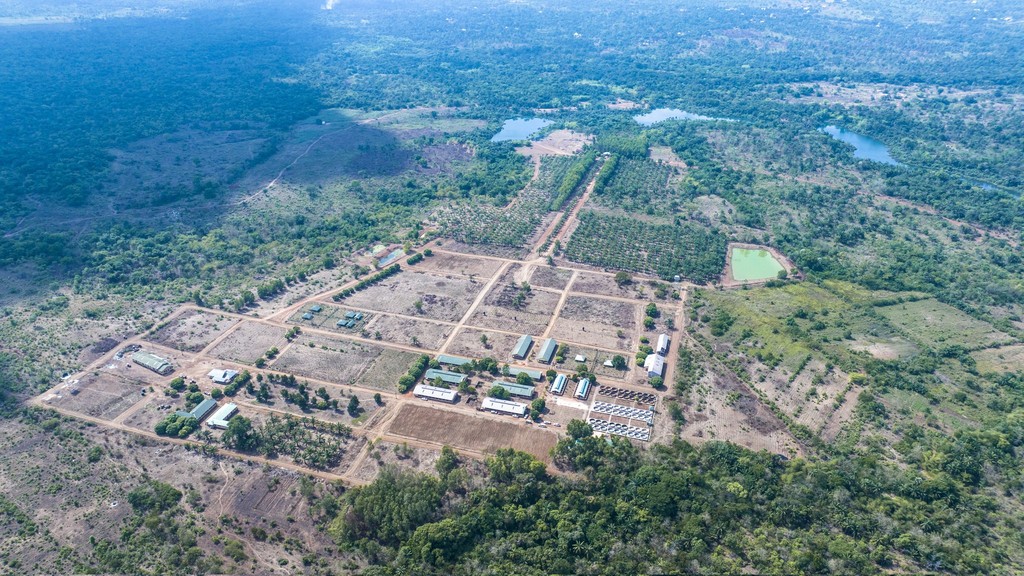
At the center of this transformation is the Special Agro-Industrial Processing Zones program, a key initiative backed by international development partners including the African Development Bank, the International Fund for Agricultural Development, and the Islamic Development Bank. According to Shettima, the first phase alone has already attracted $538 million in funding, with expectations that total investments could reach up to $1 billion by 2027.
He explained that the primary goal of these agro-industrial zones is to bridge the gap between rural farming communities and markets. By building infrastructure close to farming clusters, Nigeria aims to reduce post-harvest losses by as much as 80 percent and significantly increase value-added processing. So far, the program has created over 785,000 jobs, giving hope to thousands of young Nigerians looking for opportunities outside of traditional sectors.
But the plan doesn’t stop there. The Nigerian government is thinking long-term. With a growing population and a median age of just 18 years, the country knows that its future lies in the hands of its youth. To that end, it has rolled out a 10-year Strategic Action Plan that will run from 2026 to 2035. The focus is clear: put young Nigerians at the heart of food production, agribusiness, and innovation.
Shettima emphasized that empowering youth is no longer optional but essential. He described young people as the lifeblood of Africa’s agricultural future and called on all stakeholders to work together in unlocking their potential. “A nation prepared for the future is not measured by promises made, but by the opportunities it gives to its youth to shape those promises,” he said passionately.
The government has already established an Agricultural Sector Working Group and a dedicated technical committee to oversee the national implementation of this plan. The action roadmap will align federal and state efforts, facilitate public-private partnerships, and ensure youth participation at every stage of the agricultural value chain.
In a further show of commitment, the Federal Government has recapitalized the Bank of Agriculture with N1.5 trillion, approximately one billion dollars. These funds are earmarked for youth-led agribusiness ventures, with loans of up to one million naira available to individual farmers and cooperative groups. Shettima made it clear that this is not charity but a strategic investment in the resilience and economic stability of the country.
The youth agricultural revolution is already taking shape. Nigeria is currently collaborating with international partners including the Netherlands, CGIAR, and IITA under a Youth in Agribusiness initiative that targets 10,000 young people. Nearly half of the beneficiaries will be women, and the program will focus on high-growth sectors like poultry, horticulture, aquaculture, and cassava processing.
The Vice President also cited several ongoing projects that highlight the government’s efforts to modernize agricultural practices. One major example is the Green Imperative Project with Brazil, a $1.1 billion initiative designed to improve farm productivity through advanced technology and mechanization. As part of this project, Nigeria recently rolled out the first 2,000 tractors, which are expected to service more than 550,000 farming households and cultivate over half a million hectares of land. In partnership with John Deere, the country plans to deploy 10,000 tractors over the next five years.
Beyond machinery and funding, the government is also investing in irrigation, greenhouse expansion, and farmer education. Shettima stressed the need for a comprehensive approach that includes food security, climate resilience, and smart agricultural practices. To ensure long-term success, a national farm database will be established to track performance and enable data-driven decision-making.
Security reforms are another major aspect of the agricultural roadmap. With many farmers unable to access their lands due to violence and displacement, Shettima called for improved security measures to guarantee safe farming in rural communities. He also urged international partners to support the recharging of the Lake Chad Basin and to invest in sustainable irrigation systems to support year-round farming.
Education and emergency response are also part of the broader plan. Shettima proposed introducing school feeding programs in conflict-affected zones as a way to build community resilience and reduce hunger. He described food security as the foundation of peace and stability and said every effort must be made to protect this foundation.
Looking ahead, Nigeria’s 10-year strategy will prioritize training in agricultural technology, agribusiness mentorship, and consistent monitoring and evaluation. The goal is to build a resilient, youth-led food system that creates wealth, feeds the population, and positions Nigeria as a leader in the global agricultural sector.
As Shettima concluded, he reminded stakeholders that this journey is not a sprint but a generational relay. It requires strategic partnerships, sustained investment, and a shared vision of prosperity led by the youth of Nigeria.


Responses