Otti Moves to Pull Abia Off National Grid, Sparks Debate on Power Reform

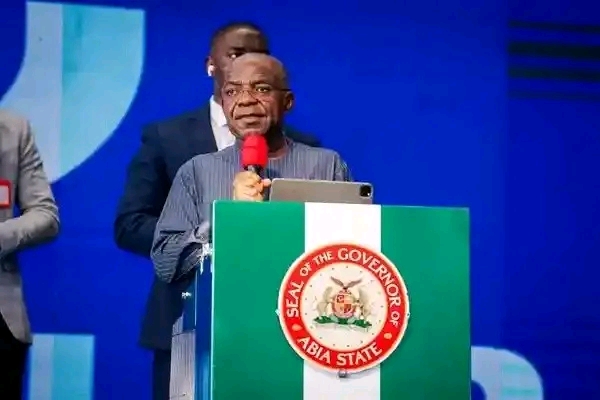
Abia State Governor, Alex Otti, has stirred nationwide conversation after declaring his intention to disconnect the state from Nigeria’s troubled national electricity grid. The bold statement, which signals a major shift in power strategy, reflects growing frustration among state governments and citizens over the persistent instability of the country’s centralized power system.
According to Otti, his administration is exploring plans to make Abia more energy-independent by developing alternative power solutions capable of sustaining industries, businesses, and households without relying heavily on the national grid. While details of the execution remain limited, the announcement underscores a broader ambition to reposition Abia as a hub of reliable electricity and economic productivity.
Nigeria’s national grid, long criticized for frequent collapses and inconsistent supply, has become a major bottleneck to growth. Businesses across the country spend heavily on generators and fuel, while households endure erratic power supply that disrupts daily life. Against this backdrop, Otti’s proposal is being viewed by supporters as both timely and necessary.
Many residents and observers have welcomed the idea, arguing that decentralizing power generation could unlock economic potential, especially in commercial centers like Aba. Known historically for its manufacturing and trading strength, Aba has struggled in recent years due in part to unreliable electricity. Analysts believe that stable power could revive local industries, attract investment, and boost employment.
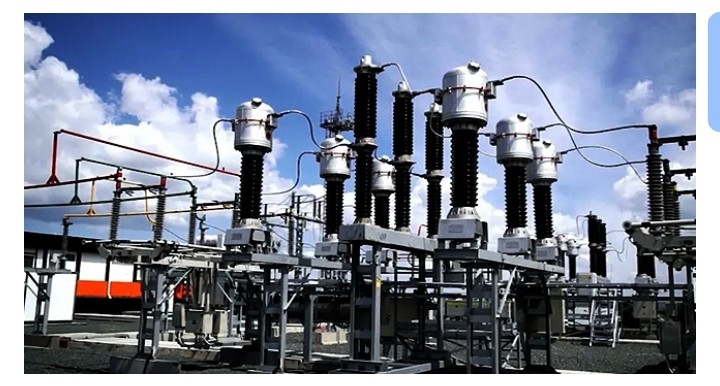
The governor’s plan aligns with a growing trend toward embedded and off-grid power solutions across Nigeria. With advancements in renewable energy and independent power projects, states now have more opportunities to generate and distribute electricity locally. If successfully implemented, Abia could join a small but growing list of regions reducing dependence on the national grid.
However, critics caution that the transition may not be straightforward. Power generation and distribution involve complex regulatory, financial, and technical frameworks, many of which are still controlled at the federal level. Questions remain about how Abia intends to navigate these hurdles, secure funding, and ensure affordability for consumers.
There are also concerns about whether a complete detachment from the grid is feasible or even advisable. Some energy experts argue that maintaining a hybrid system—where states generate their own power while still connected to the national grid as backup—might be a more practical approach. This would allow flexibility during peak demand or system failures.
Public reactions have been mixed but passionate. Supporters describe Otti as a forward-thinking leader willing to challenge the status quo, while skeptics question whether the plan is realistic or politically motivated. Comparisons have also been drawn with other states, particularly Lagos, with many wondering why similar initiatives have not been aggressively pursued despite greater financial resources.
Beyond politics, the conversation highlights a deeper issue: the urgent need for power sector reform in Nigeria. Reliable electricity remains one of the most critical drivers of development, affecting everything from healthcare and education to manufacturing and digital innovation. Without significant improvements, the country risks falling behind in an increasingly energy-driven global economy.
For now, Otti’s declaration represents more than just a policy proposal—it is a statement of intent. Whether Abia can successfully break away from the national grid or adopt a hybrid solution remains to be seen. What is clear, however, is that the move has reignited debate on how best to solve Nigeria’s long-standing electricity crisis and whether states should take greater control of their energy future.



Responses